





The United States sent conflicting messages on Tuesday as President Donald Trump suggested he might be open to talks with Tehran, while Pentagon officials vowed to intensify strikes against Iran, promising “the most intense day of strikes” yet.
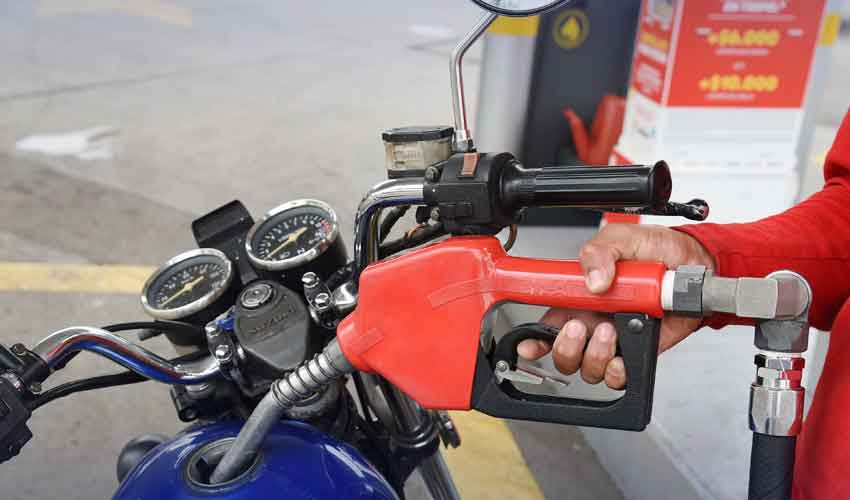
Iranian forces, however, pledged to continue fighting and declared that no oil would be exported from the Gulf as long as the conflict with the US and Israel persists.
The situation was further complicated after US Energy Secretary Chris Wright briefly claimed on X that the Navy had escorted commercial ships through the Strait of Hormuz to ensure oil flows, only to delete the post hours later. White House Press Secretary Karoline Leavitt later denied the report.
Trump had attempted to calm oil markets by stating the war would be “ended soon,” but Iran’s Islamic Revolutionary Guards Corps (IRGC) dismissed the remark, asserting in a statement carried by Iranian media: “It is we who will determine the end of the war.”
Iran’s Foreign Minister Abbas Araghchi told PBS News that missile attacks would continue and negotiations with the US are no longer on the agenda.
Meanwhile, Israel warned that its military campaign against Iran is ongoing. Prime Minister Benjamin Netanyahu said the operations were aimed at weakening Iran’s clerical leadership and expressed hope that the Iranian people would ultimately “cast off the yoke of tyranny.” However, US officials reportedly requested Israel halt strikes on Iranian energy infrastructure to protect civilians and prevent retaliatory attacks across Gulf states, according to Axios.
General Dan Caine, chairman of the US Joint Chiefs of Staff, downplayed Iran’s military capabilities, saying, “I think they’re fighting, and I respect that, but I don’t think they’re more formidable than what we thought.”
Iranian parliamentary speaker Mohammad Bagher Ghalibaf vowed a “proportionate and immediate” response to US and Israeli strikes, declaring on X: “No malice will go unanswered… an eye for an eye, bluntly, without exception.”
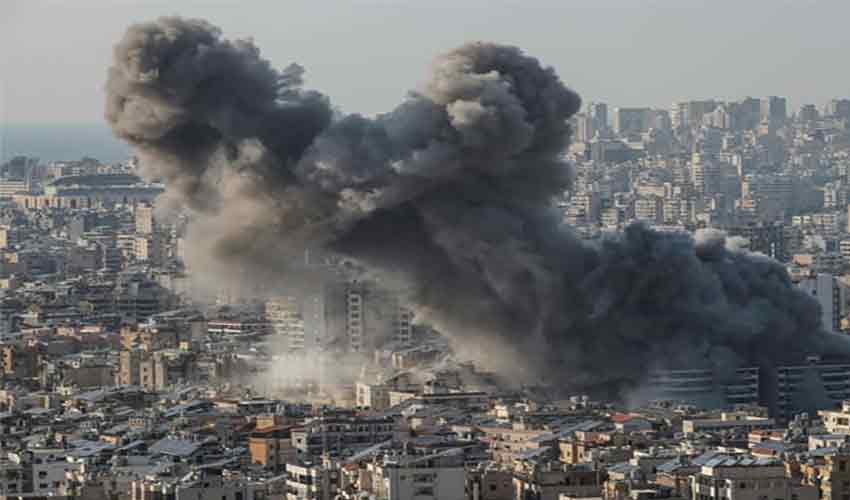
Airstrikes continued in Iran on Tuesday, with Al Jazeera reporting intense bombardment in Tehran, large explosions in Karag, and attacks in Isfahan targeting government offices and a UNESCO heritage site. Additional blasts were reported in Tabriz and other locations.
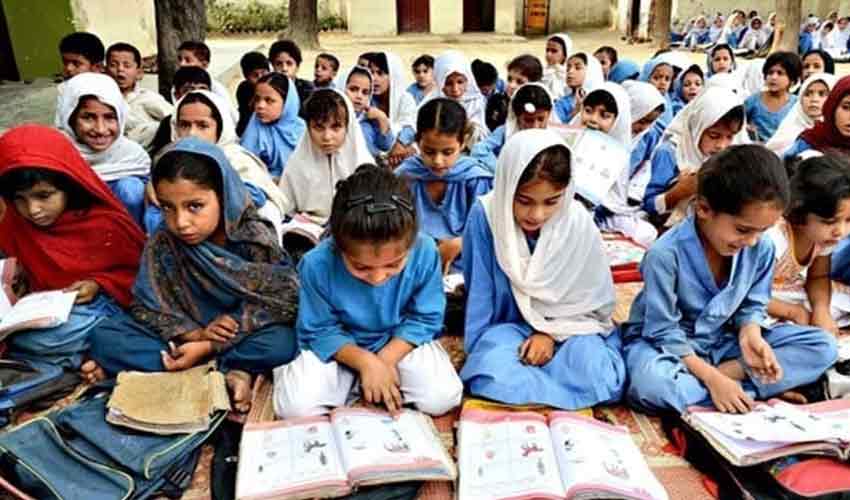
In Lorestan province, four students were killed and 52 schools damaged during the strikes. Iran’s Mehr news agency reported a missile attack on Dr. Hafez Khomeni School in Khomeyn, damaging nearby residential homes.
In retaliation, Iran launched fresh missile strikes targeting Tel Aviv and other US-aligned locations in the region, deploying strategic missiles, including some of the most powerful in its arsenal: Fattah, Emad, and Khaibar.
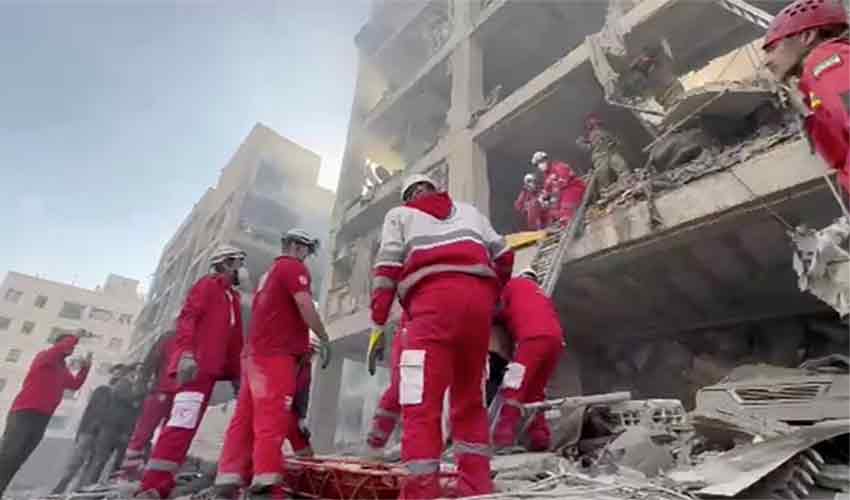
Regional diplomatic efforts continue, with Pakistan urging the international community to act against Israeli military aggression in Lebanon. Pakistan’s Foreign Office condemned Israel’s actions, citing civilian casualties and mass displacement, and called for the immediate withdrawal of Israeli forces from all Lebanese territories.
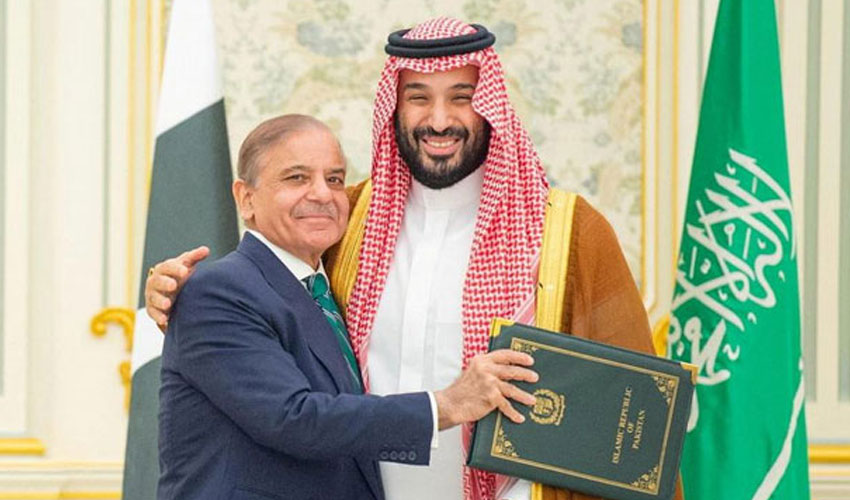
Deputy Prime Minister and Foreign Minister Ishaq Dar discussed the conflict with Saudi Foreign Minister Faisal bin Farhan Al Saud and Bahraini Foreign Minister Abdullatif Bin Rashid Al Zayani, emphasizing the need for de-escalation, dialogue, and regional stability.
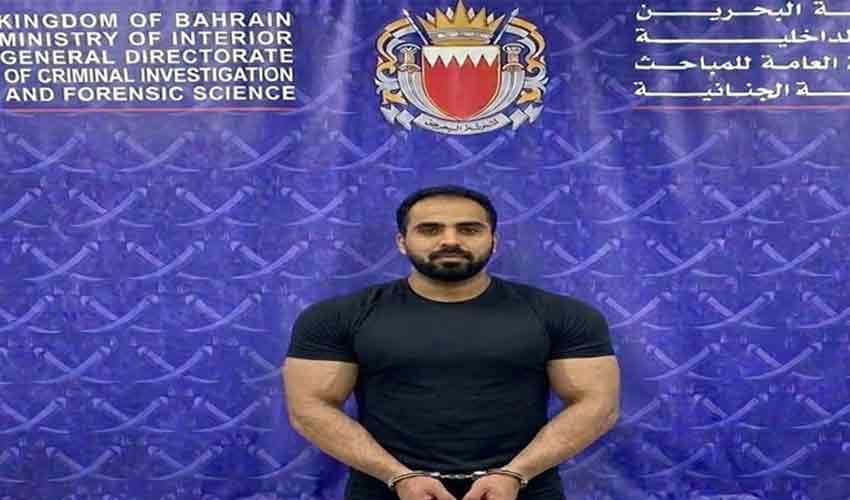
Pakistan reaffirmed its solidarity with Bahrain and called for urgent international measures to prevent further escalation amid the intensifying Middle East crisis.






.jpg)