




Reciprocity must replace altruism. The recent meeting between the additional secretaries of Pakistan and Afghanistan should have offered something more than mere promises of future engagements. The gathering, which was supposed to lead to a breakthrough and serve as a moment for a formal resumption of diplomatic relations between the two neighbors, merely repeated the already laid out expectations. Even the Foreign Office’s statement highlighting the agenda of the meeting was as hollow as a reed.
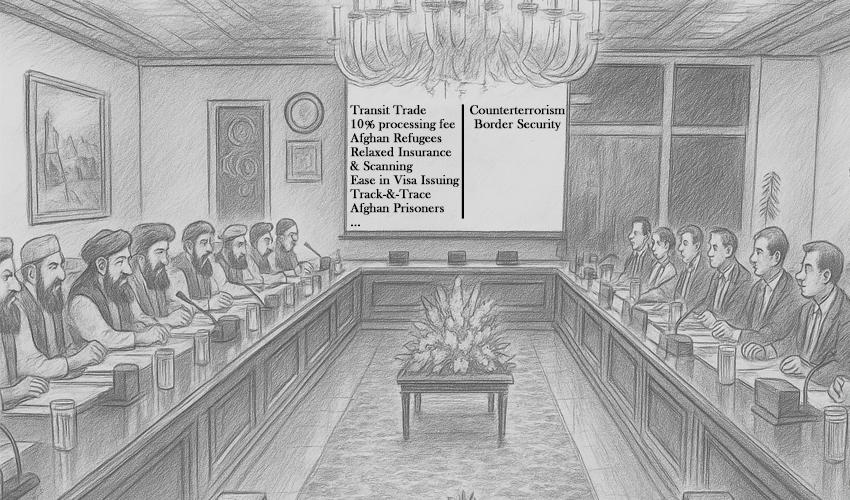
It is unfortunate that terrorism, despite being the most important issue, was mentioned only in passing, with both sides recognizing it as a serious threat. By the looks of it, the delegation from Kabul has come with a clear agenda of trade, transit, and concessions for its people on both sides of the border. It is fair that Islamabad also sets its priorities straight, placing counterterrorism efforts and border security as the sole items on its agenda.
The meeting at the Ministry of Foreign Affairs on Monday comes as a result of recent steps initiated to reestablish diplomatic ties between Islamabad and Kabul following a nearly four-year hiatus. Efforts in this direction were boosted on May 21 this year through a trilateral meeting in Beijing, which saw foreign ministers of the two countries agreeing to restore diplomatic ties. China played the role of a broker for the sake of regional stability in the aftermath of the recent Pakistan-India war. The next few days saw both sides upgrading their diplomatic representation in each other’s country, transitioning from a chargé d'affaires to an ambassadorial level. The developments have paved the way for these fresh, formal engagements.
However, the historical irony cannot be ignored. Islamabad was the one extending the Taliban diplomatic space upon their return to power in August 2021. In fact, it was Pakistan’s intelligence leadership that made the first official visit to Kabul, hoping the goodwill gesture would result in cooperation on border security and counterterrorism. That, unfortunately, never happened. Instead, cross-border attacks increased and the TTP reorganized in Afghan territory. Despite repeated requests, Kabul has refused to even acknowledge the terror outfit as a problem, let alone taking action against it.
Every concession made should come with a stipulation and performance benchmarks. Islamabad has the right to demand action against the TTP. Therefore, the ‘host’ country must be asked to take action against terrorists using its soil against Pakistan
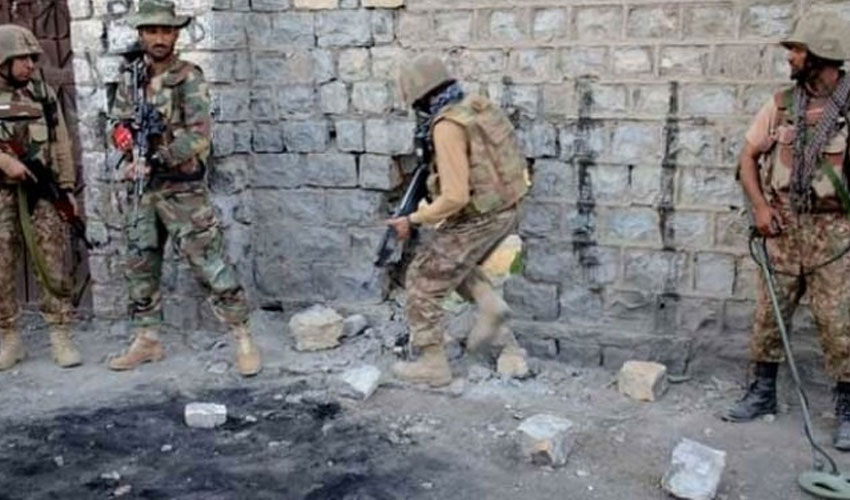
Pakistan has rightly raised the issue again during the recent meeting, expressing concern over attacks in KP and Balochistan, border infiltrations, and continued sheltering of TTP commanders across the border. The Afghan delegation replied with vague acknowledgements of “regional threats”, and then turned quickly to trade and refugee grievances. Pakistan has already announced its plans to waive a 10% processing fee on Afghan transit goods and relax insurance and scanning procedures, besides agreeing to finalize the framework agreement for the proposed Pakistan-Afghanistan-Uzbekistan Railway. It is disappointing that Kabul, in return, has not brought anything tangible to the table to call this a fair deal.
Pakistan has been generous enough for so long, and continues to pay a heavy price for it in blood. Considering how talks in the past have fared, the state should be aware of any signs of déjà vu. While regional peace should be the ultimate goal, Islamabad must stop acting as if it owes Kabul anything. Every concession made should come with a stipulation and performance benchmarks. Islamabad has the right to demand action against the TTP. Therefore, the ‘host’ country must be asked to take action against terrorists using its soil against Pakistan. Kabul's stonewalling can no longer be tolerated. This must be a win-win situation for both countries.