




Unusually high temperatures in Pakistan’s northern regions are increasing the risk of glacier eruptions, the Meteorological Department has warned.
Day and night temperatures in Gilgit-Baltistan have risen above normal levels, accelerating glacier melt and heightening concerns in vulnerable districts.
According to the Meteorological Department, daytime temperatures in Gilgit-Baltistan have been recorded 3 to 5 degrees Celsius above normal. Nighttime temperatures are also elevated, ranging between 1 to 3 degrees Celsius above average.
Officials say the persistent heat is contributing to faster snow and ice melt across the mountainous terrain.
Increased threat in multiple districts
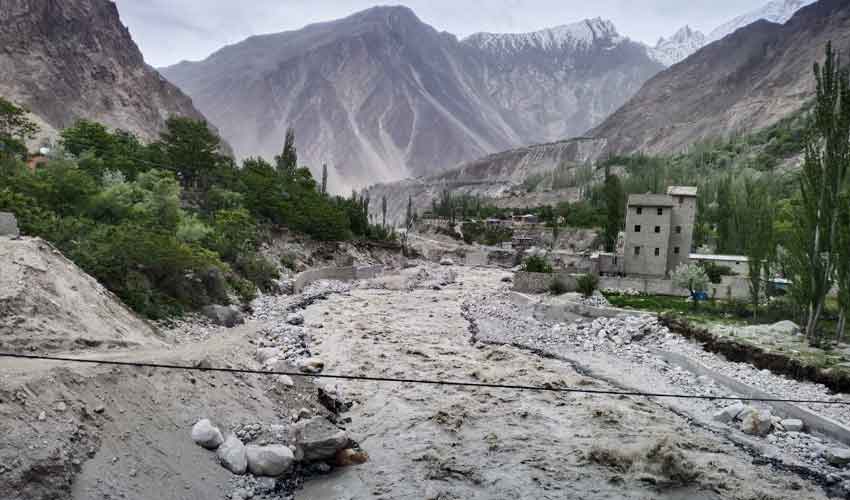
Due to rising temperatures, the risk of glacier eruptions — often linked to glacial lake outburst floods (GLOFs) — is increasing in several areas. The Met Office identified Gilgit, Ghuzar, Bunji, Hunza, Astore and Chilas among the regions facing heightened risk.
Communities in these districts are particularly vulnerable, as rapid glacier melting can lead to sudden flooding, infrastructure damage and threats to human life.
Continuous monitoring
The Met Department said it is continuously monitoring the situation, including temperature trends and glacier melting patterns.
Authorities are keeping a close watch on developments to assess any potential hazards and provide timely alerts if conditions worsen.
With climate variability intensifying in northern Pakistan, experts warn that sustained temperature rises could further accelerate glacier retreat and increase the frequency of extreme weather events.




.png)