




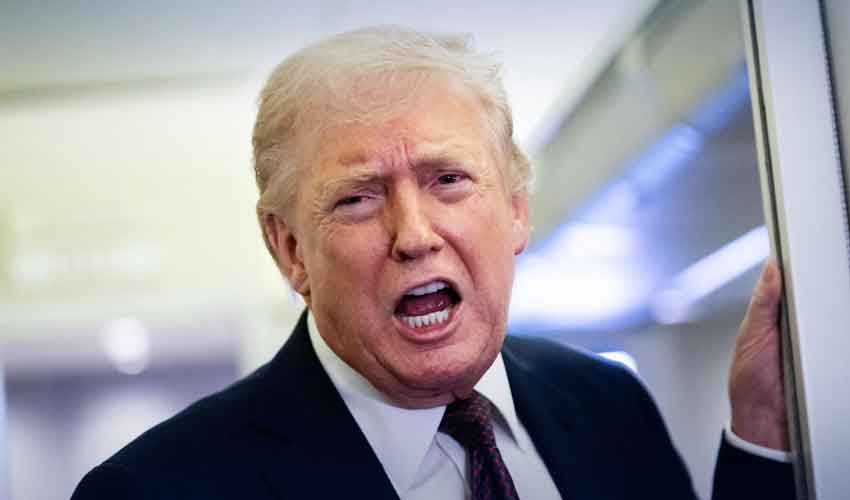
US President Donald Trump has warned NATO allies of a “very bad” future if they do not help reopen the Strait of Hormuz, while also suggesting he could delay a planned summit with Chinese President Xi Jinping.
His remarks come as the US-Iran war enters its third week and the disruption in the Gulf continues to rattle global energy markets.
In comments published by the Financial Times on Sunday, Trump said countries benefiting from the Strait of Hormuz should help secure it. He argued that nations relying on the route for energy imports have a responsibility to ensure “nothing bad happens there.”
Trump singled out China, saying Beijing should help because it gets “90%” of its oil from the strait. He added that he would prefer to know China’s position before making the planned visit and said, “We may delay,” referring to his expected trip to meet Xi in Beijing later this month.
Trump’s comments came as US Treasury Secretary Scott Bessent and Chinese Vice Premier He Lifeng wrapped up the first of two days of talks in Paris aimed at smoothing out issues in the US-China trade truce and clearing the way for a possible Trump-Xi summit. Reuters reported that the discussions were part of broader efforts to prepare deliverables for a late-March Beijing meeting.
Neither the White House nor China’s foreign ministry immediately responded to Reuters requests for comment on Trump’s latest remarks.
Trump demands military help from countries
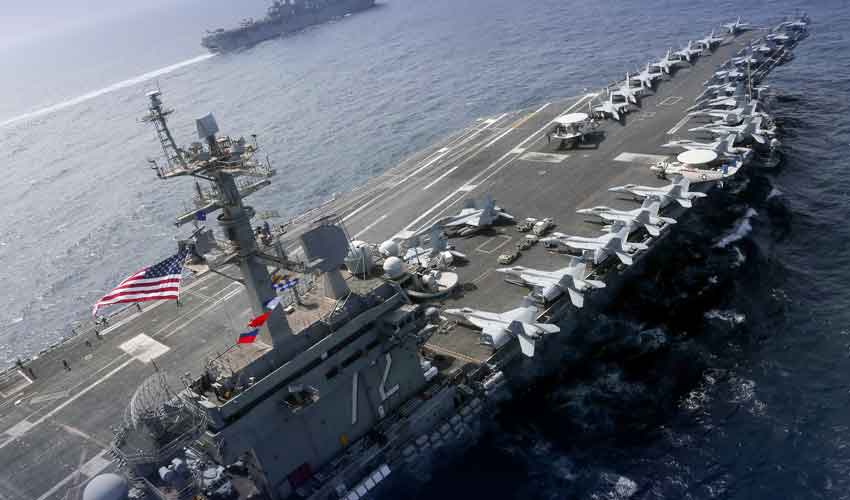
Trump said on Saturday that countries benefiting from the shipping lane should send naval support to keep it open. He later told the Financial Times that the assistance he wants could include minesweepers and other military assets capable of countering drones and naval mines.
Speaking about Iranian forces, Trump said the US was “hitting them very hard” and claimed they had little left except the ability to cause disruption in the strait. He said the countries that benefit from the route “ought to help us police it.”
Also Read: UK rejects Trump call to send warships to Strait of Hormuz
Later, speaking to reporters aboard Air Force One while traveling from Florida to Washington, Trump said he was “demanding” that countries relying on Gulf oil come in and protect the area because “it is their territory” and “the place from which they get their energy.” He said his administration had already contacted seven countries, though he did not name them.
Trump names allies and warns NATO
In public remarks and social media posts over the weekend, Trump said he hoped countries including China, France, Japan, South Korea and Britain would send ships to the area. He also warned NATO that it faces a “very bad” future if allies fail to come to Washington’s aid over the Strait of Hormuz.
Trump also criticized Britain after speaking with Prime Minister Keir Starmer, saying the UK is often viewed as America’s number one ally but did not want to come when asked. According to the Financial Times account cited by Reuters, Trump said Britain only offered ships after the US had already reduced Iran’s military capabilities.
Strait of Hormuz remains at center of crisis
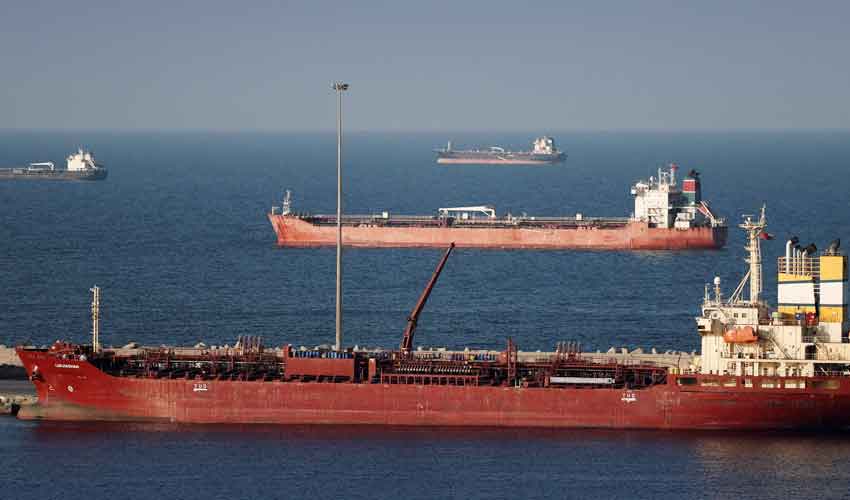
Iran has effectively shut the Strait of Hormuz after the United States and Israel launched attacks on Iran more than two weeks ago. The narrow waterway between Iran and Oman normally carries about one-fifth of global oil and liquefied natural gas supplies, making it one of the world’s most critical energy chokepoints.
Also Read: Oil giants warn US energy crisis may worsen due to war
With the US-Israeli war on Iran now in its third week, the disruption in Hormuz has become a major source of instability for energy markets, shipping, and the wider global economy.
Trump threatens more strikes on Iran
Trump also warned that Washington could launch additional strikes on Kharg Island, Iran’s main oil export hub. He said US forces could hit Iran’s oil infrastructure again if needed, adding, “We can hit that in five minutes” and claiming Iran could do nothing to stop it.
Those comments came after Trump had already called on allied nations to contribute military support to help reopen the strait and keep shipping lanes functioning.
Asian markets opened cautiously on Monday after Trump’s comments, with Brent crude rising more than 1% to above $104.50 a barrel and regional share markets mostly weaker. Investors have been watching closely for signs of whether a broader international mission to secure the waterway will materialize.
Also Read: Gulf states at risk of worst economic shock since 1990s
The market reaction reflected concern that continued disruption in the Gulf could keep oil prices elevated and add fresh inflationary pressure around the world.
European Union foreign ministers are due to discuss bolstering the bloc’s small naval mission in the Middle East on Monday. However, diplomats and officials told Reuters they are not expected to decide on extending its role to the Strait of Hormuz at this stage.
The EU’s Aspides mission was set up in 2024 to protect ships from Houthi attacks in the Red Sea. Germany has already expressed doubts about broadening that mission, with Foreign Minister Johann Wadephul saying he is very skeptical that extending Aspides to Hormuz would provide greater security.
.jpg)







.jpg)