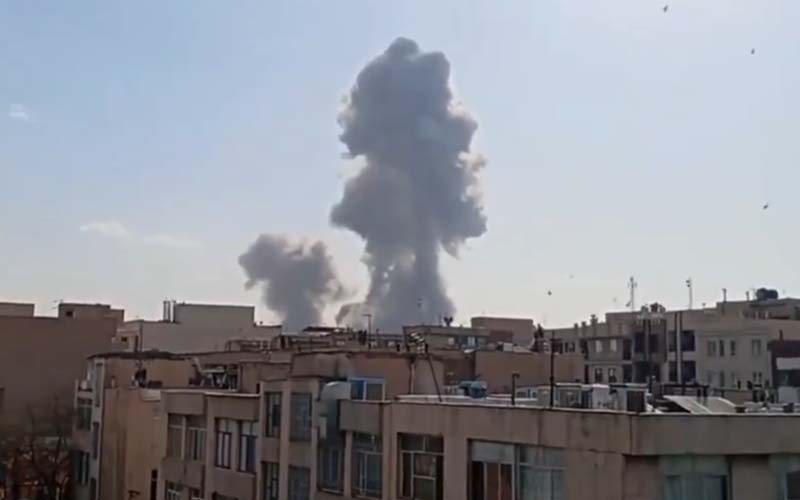






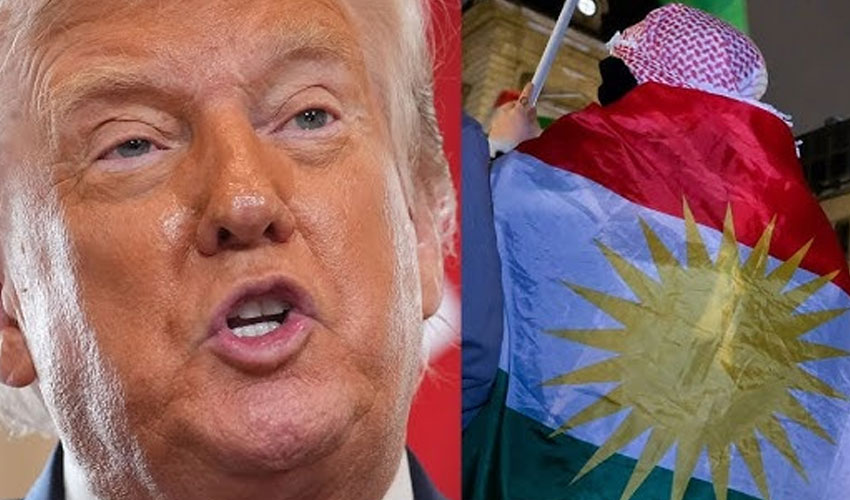
Iranian Kurdish militias have reportedly consulted with the United States about launching a military operation against Iran’s security forces in the country’s western regions.
The discussions come as U.S. and Israeli strikes intensify pressure on Tehran.
Sources familiar with the matter said Kurdish militias based along the Iran-Iraq border in Iraqi Kurdistan are training for potential attacks aimed at weakening Iran’s military.
The groups have requested U.S. military support, including potential weapons and intelligence assistance from the CIA, according to multiple sources. Iraqi leaders in Erbil and Baghdad have also been in contact with the Trump administration regarding the plans.
The operation would aim to create space for anti-regime Iranians to rise up, particularly after the reported deaths of Iran’s Supreme Leader Ali Khamenei and other top officials following recent U.S.-Israeli strikes. A final decision on whether or when to launch the operation has not been made.
CNN first reported the CIA’s involvement, while Axios noted that President Trump held a phone call with two senior leaders of Iraqi Kurdistan. The White House, Pentagon, and Kurdish Regional Government did not comment.
Need for US military and intelligence assistance
Experts note that any incursion from Iraq into Iran would likely require significant support from U.S. forces. The Pentagon has two bases in Erbil that have historically supported international coalitions against ISIS.
Kurdish groups in Iraqi Kurdistan have a history of cooperation with the U.S., though shifting alliances and varied battlefield experience could affect the operation’s success inside Iran.
A source cited by CNN explained that Kurdish forces could directly engage Iranian security units, paving the way for civilian uprisings in major Iranian cities.
Regional implications
An armed Kurdish campaign could significantly destabilize Iran and ripple across neighboring regions. It may embolden separatist movements among the country’s Baluch minority, which maintains links with separatists in Pakistan’s Baluchistan province.
Turkey, closely monitoring Kurdish activities in Syria and Iraq, is unlikely to support Kurdish militarization near its borders. Ankara has previously threatened action against Syrian Kurdish forces if they resist integration under central government authority.
The operation’s impact on regional stability remains uncertain, with potential political and military consequences for multiple neighboring countries.