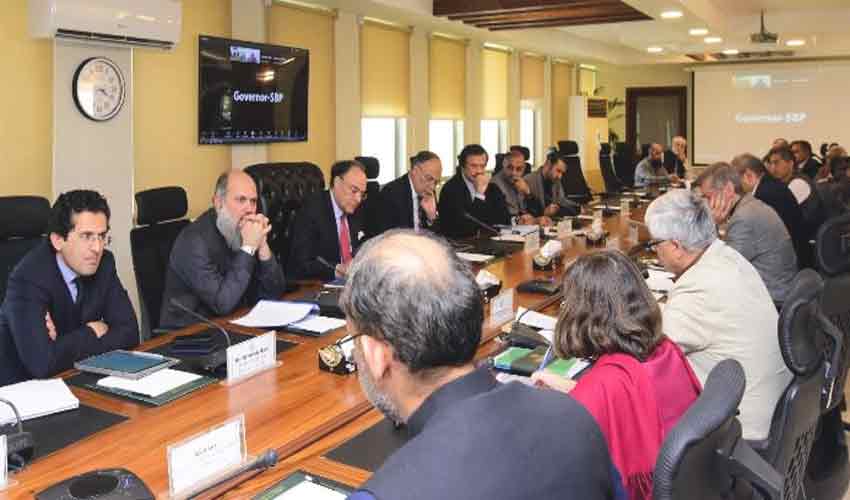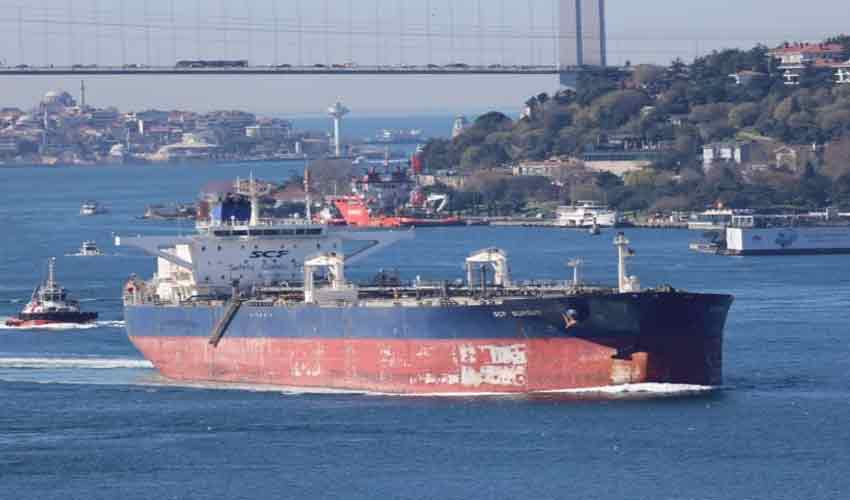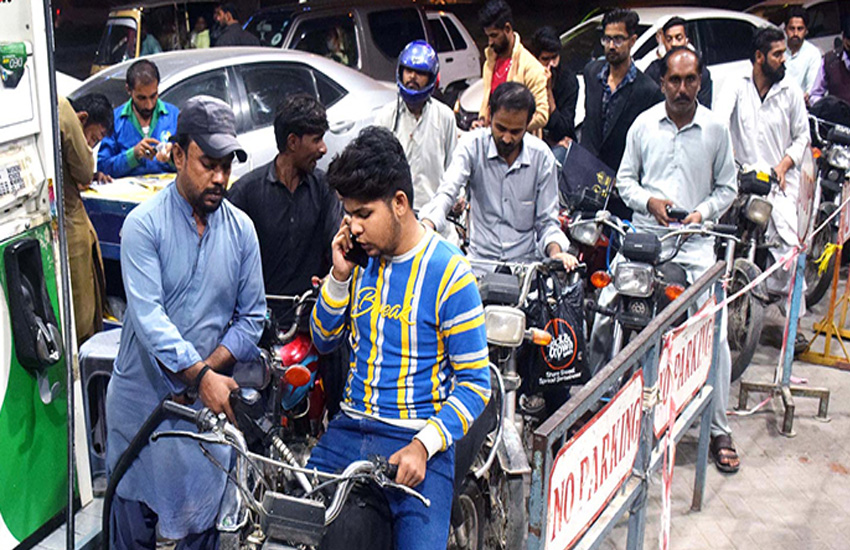






Virtual negotiations between Pakistan and the International Monetary Fund (IMF) are ongoing, with the global lender urging the government to immediately adjust petrol and diesel prices in line with rising global oil rates.
Sources say the IMF has also emphasized that Pakistan should avoid providing any subsidy on petroleum products and ensure that key fiscal targets are met.
During the latest round of discussions, the IMF reportedly demanded that petrol and diesel prices be increased immediately to match global market rates.
According to sources, the IMF stressed that Pakistan should not provide any subsidy on petrol and diesel, as part of its fiscal discipline requirements.
The lender also urged authorities to quickly pass on the increase in international petroleum prices to domestic consumers.
Petroleum levy target must be achieved
The IMF also emphasized the need to meet the petroleum development levy (PDL) target of Rs1,468 billion by June 30. Sources revealed that Rs822 billion has already been collected during the first six months of the fiscal year, from July to December.
This means more than 60% of the total levy target has already been achieved during this period, according to officials.
Energy conservation proposals
In addition to fuel pricing, the talks also included proposals for energy conservation to help control Pakistan’s current account deficit.
Sources said the government is considering a phased strategy to reduce energy consumption and manage economic pressure.
Also Read: Govt considers online, work-from-home plans for offices
Under the proposed measures, schools and colleges may shift to online classes in the first phase as part of energy-saving initiatives. In the second phase, universities and government offices could move toward smart working arrangements, allowing employees to work more flexibly while reducing energy use.
Restrictions for markets and businesses
The proposals also include setting fixed opening and closing times for shops and markets to reduce electricity consumption.
Authorities are also considering encouraging delivery services for large retail outlets and restaurants, which could help reduce energy usage associated with physical operations.
Sources say a comprehensive implementation plan will be prepared along with these recommendations.
Also Read: Petrol price in Pakistan may rise by Rs32 over Middle East tension
Officials have said that petroleum reserves in the country are currently at a satisfactory level. However, they emphasized that the situation is evolving rapidly, and authorities are closely monitoring developments in global energy markets.
Measures proposed to stop hoarding
To prevent supply disruptions, strong measures have also been proposed to curb hoarding and the illegal transfer of petroleum products.
Officials say these steps are necessary to ensure fuel availability and maintain stability in the domestic energy market during uncertain global conditions.