





Pakistan is facing growing concerns over a potential fuel shortage as tensions in the Middle East disrupt energy markets and supply routes.
Authorities are increasing petroleum reserves while industry groups warn that oil supply to petrol pumps has already been restricted.
Pakistan currently has around 25 days of fuel reserves, according to sources, slightly above the requirement for oil marketing companies (OMCs) to maintain a minimum storage of 20 days.
In response to escalating tensions in the Middle East, the government has started increasing its fuel storage capacity to cover up to two months, sources said.
Earlier this year, OMCs stored 25 days of fuel in January, and an additional three days of reserves were added in February, further strengthening the country’s stockpile.
Pakistan’s daily fuel demand, imports
Pakistan’s energy sector relies heavily on imports to meet domestic fuel needs. Sources said the country requires approximately 435,000 barrels of fuel per day.
Out of this demand, Pakistan imports:
-
145,000 barrels of petrol daily
-
90,000 barrels of diesel daily
-
Around 200,000 barrels of crude oil each month
Officials are closely monitoring supply routes as regional tensions continue to impact global oil transportation.
Saudi Arabia, ADNOC assure fuel shipments
To maintain supply continuity, Pakistan has received assurances of additional petroleum shipments from regional partners. According to sources, one ship carrying fuel will arrive from the Saudi Arabian port of Yanbu.
Pakistan is also expected to receive another shipment from the Abu Dhabi National Oil Company (ADNOC), which will arrive via the port of Fujairah.
These shipments are expected to help stabilize fuel availability in the country during the ongoing crisis.
Oil companies restrict supply to petrol pumps
Despite government efforts to secure supplies, the Petrol Pump Owners Association has raised alarm over restricted oil supply from companies.
In a letter addressed to the Prime Minister, the association warned that oil marketing companies have begun limiting fuel supplies to petrol pumps.
According to the letter, some companies have even started cancelling supply orders, creating fears of a possible fuel shortage.
Petrol pump owners warn of potential shortages
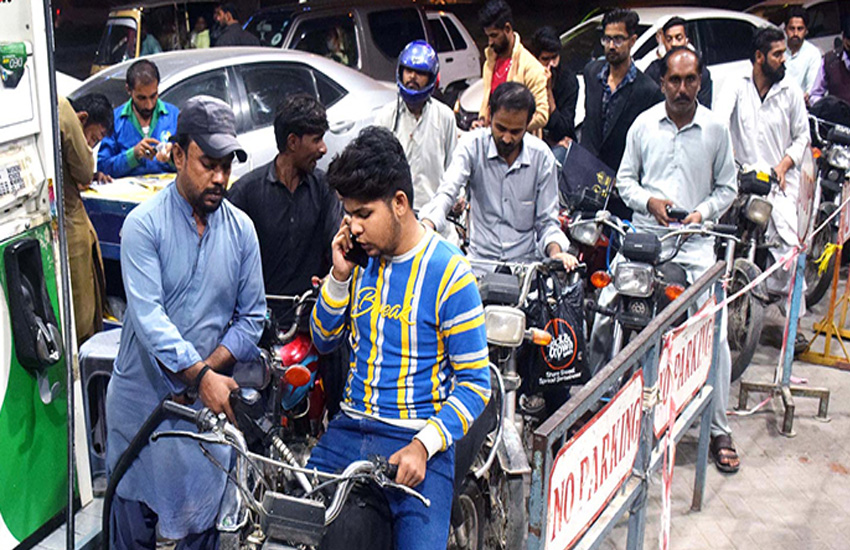
The association said quota limits imposed by oil companies are preventing petrol pumps from meeting public demand. As a result, some petrol stations are reportedly running dry due to reduced supplies.
Petrol pump owners also alleged that orders are being repeatedly modified or cancelled by OMCs, which is further disrupting fuel distribution.
The association urged the government to instruct oil marketing companies not to create artificial shortages. They also called on authorities to prevent actions that could create uncertainty and spread panic among consumers.
Govt working to secure petroleum supply routes
Federal Minister for Petroleum Ali Pervaiz Malik recently met the Saudi Ambassador to discuss alternative supply arrangements. During the meeting, Malik said Saudi Arabia has assured Pakistan of continued oil supply through the port of Yanbu.
He expressed gratitude for Saudi support, saying the kingdom has promised to prioritize Pakistan’s oil supply during the crisis.
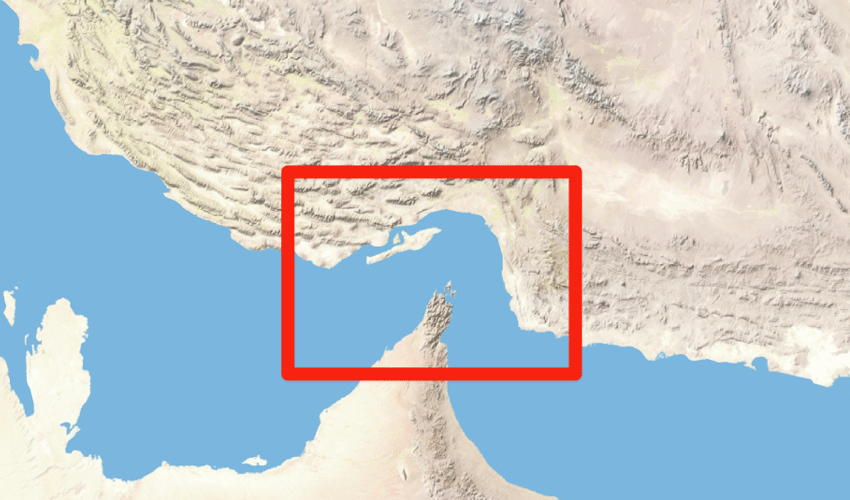
Officials noted that most of Pakistan’s petroleum imports pass through the Strait of Hormuz, making the country vulnerable to disruptions during regional conflicts.
The government is therefore exploring alternative supply routes and contingency measures to maintain the petroleum supply chain.
Saudi Arabia pledges continued cooperation
The Saudi ambassador assured Pakistan that Saudi Arabia will continue to cooperate fully in case of any emergency.
Both sides emphasized that Pakistan and Saudi Arabia will stand by each other during challenging times, highlighting the strong bilateral partnership between the two countries.
Authorities say efforts are underway to ensure uninterrupted fuel supplies for the public despite regional instability.