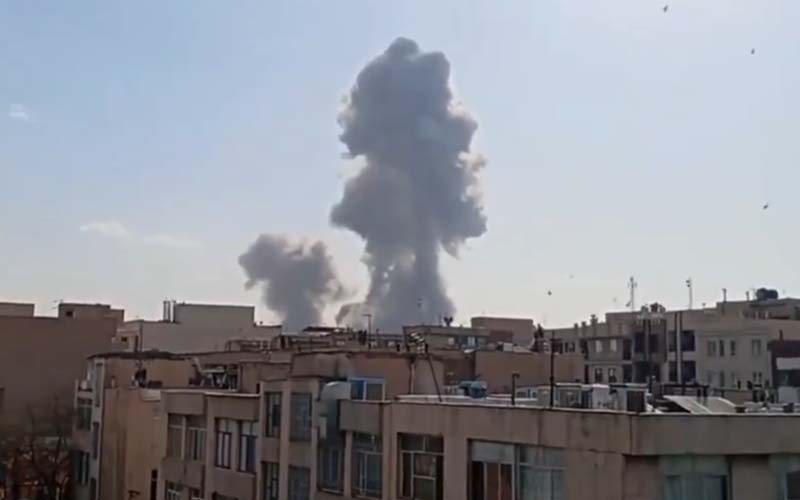





The United States says it has made significant progress in its ongoing military campaign against Iran, claiming major reductions in Tehran’s missile and drone capabilities.
According to US Central Command (CENTCOM), more than 20 Iranian naval vessels have been destroyed and over 2,000 targets struck since the launch of Operation Epic Fury.
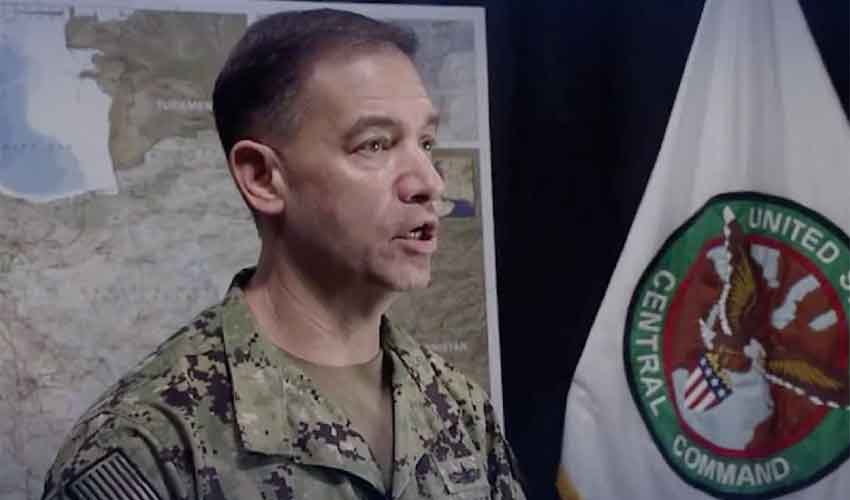
US Central Command said it is making “steady progress” in Operation Epic Fury, the military campaign targeting Iranian military infrastructure.
At a Pentagon press briefing, Chairman of the Joint Chiefs of Staff General Dan Caine said Iran’s ability to launch missiles and drones has dropped dramatically during the first four days of the conflict.
According to Caine, Iran’s ballistic missile launches have dropped by 86% since the first day of fighting, missile launches fell 23% in the last 24 hours alone, and one-way attack drone launches have decreased by 73%.
The reduction follows sustained air and naval strikes against Iranian military infrastructure.
Over 2,000 targets hit, 20 ships destroyed
CENTCOM said its forces have already struck more than 2,000 targets linked to the Iranian regime during the operation. US and allied forces have also destroyed more than 20 Iranian naval vessels, significantly weakening Iran’s maritime capabilities.
Among those attacks was a US Navy fast-attack submarine torpedo strike on an Iranian ship in the Indian Ocean, marking the first time since World War II that a US submarine sank an enemy vessel with a torpedo in combat.
Also Read: Trump claims US ‘winning’ war against Iran
General Caine described the strike as a demonstration of America’s global military reach.
“To hunt, find and kill an out-of-area deployer is something only the United States can do at this scale,” he said.
US forces establish air superiority
According to the Pentagon, US forces have achieved localized air superiority along the southern coast of Iran. American forces penetrated Iranian defenses using “overwhelming precision and firepower,” Caine said.
The next phase of the operation will expand further inland, with US forces planning to strike deeper inside Iranian territory to increase operational freedom.
Israeli forces targeting northern air defenses
While US forces focus largely on southern Iran, the Israeli Air Force has concentrated on targets in northern Iran.
Israeli strikes have mainly targeted integrated air defense systems, and medium-range ballistic missile capabilities. These operations aim to weaken Iran’s ability to defend its territory and launch retaliatory strikes.
US naval power deployed in Gulf
General Caine also highlighted the role of US naval forces in the campaign. The USS Gerald R. Ford aircraft carrier has been launching bombers and projecting combat power across the Gulf.
Also Read: 87 killed as US sinks Iranian warship near Sri Lanka
Meanwhile, the USS Abraham Lincoln Strike Group has been operating from the southeast, applying pressure on Iran’s naval forces and degrading their operational capability.
Iran launched hundreds of missiles, drones
According to CENTCOM Commander Admiral Brad Cooper, Iran has fired more than 500 ballistic missiles and over 2,000 drones in retaliation since the conflict began. Caine said many of these attacks were indiscriminate and imprecise, targeting civilian and military locations across the Middle East.
Regional allies have also participated in defensive operations.
Countries, including Jordan, Bahrain, Saudi Arabia, the United Arab Emirates and Qatar, have taken actions to intercept Iranian attacks and protect their territories.
Pentagon denies US losses claims
US Central Command also rejected several claims made by Iran during the conflict. According to the Pentagon, Iranian reports that 100 US soldiers were killed, US aircraft were shot down, troops withdrew, or the US fleet was damaged are false.
Officials said the US military continues to increase the intensity of its attacks on Iran every hour, emphasizing that Iran cannot match American military power.
General Caine outlined three major objectives guiding the US military campaign against Iran. First, the US is targeting and eliminating Iran’s ballistic missile systems to prevent them from threatening American forces, allies and regional interests.
Second, the campaign aims to destroy and weaken Iran’s navy, limiting its ability to conduct operations not only in the Middle East but globally.
Third, the US military intends to ensure Iran cannot quickly rebuild or restore its combat power, a phase that will continue as the operation expands.
Next phase of Operation Epic Fury
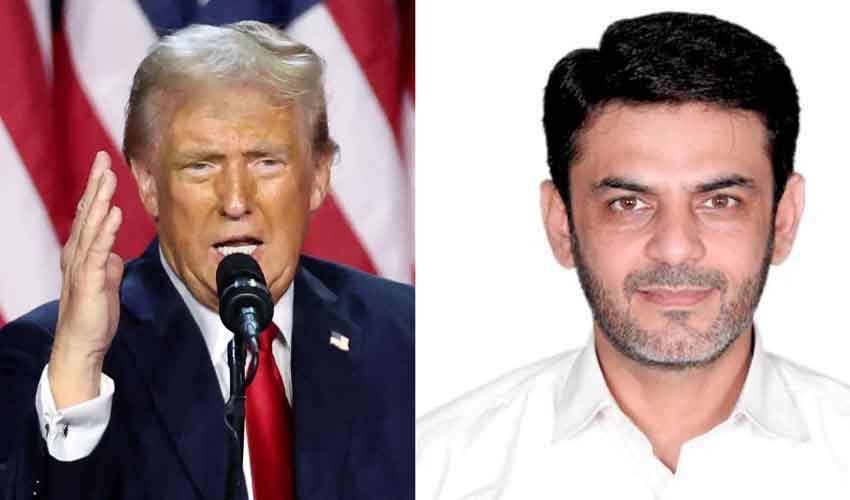
Operation Epic Fury, launched by US President Donald Trump on February 28, is designed to weaken Iran’s Islamic Revolutionary Guard Corps (IRGC) and destroy missile facilities, air defenses and military installations.
The Pentagon said the campaign has now entered its next phase, with strikes expected to intensify further. Defense Secretary Pete Hegseth signaled that the pace of operations will continue to increase.
“When we say the throttle is going up, the throttle is going up — and it’s going to stay on high,” Hegseth said.
US officials added that intelligence, surveillance and reconnaissance systems are actively hunting ballistic missile launchers and drone attack platforms across Iran.