





.jpg)
China said it remains in communication with the United States regarding President Donald Trump’s planned visit, even as tensions over the Strait of Hormuz threaten to affect global trade and energy supply.
Beijing also urged all parties to halt military operations in the region and reduce tensions.
China’s Foreign Ministry said both Beijing and Washington are maintaining contact regarding US President Donald Trump’s planned trip to China.
Speaking during a regular press briefing, Foreign Ministry spokesperson Lin Jian said the two sides are coordinating on the visit.
“Head of state diplomacy plays an irreplaceable role in providing strategic guidance to China–US relations,” Lin said, adding that both sides remain in communication about the trip.
The White House had earlier announced that Trump is scheduled to travel to China from March 31 to April 2 for a summit with Chinese President Xi Jinping.
Trump warns trip could be delayed
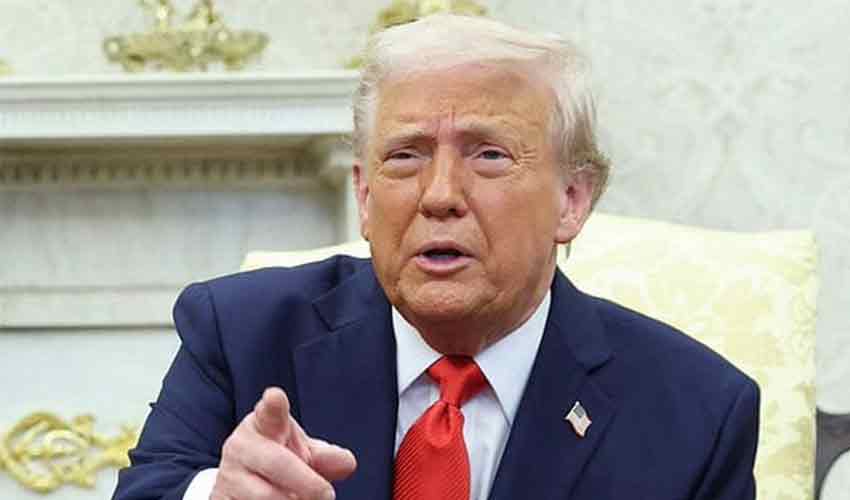
However, Trump recently suggested the trip could be postponed depending on China’s position regarding the Strait of Hormuz crisis.
In comments published by the Financial Times, Trump said countries benefiting from the shipping route should help ensure its security.
“I think China should help too because China gets 90% of its oil from the Straits,” Trump said. He added that he would prefer to understand Beijing’s stance before traveling, saying, “We may delay” the visit if necessary.
China signals Rubio sanctions may not apply
Beijing also indicated that US Secretary of State Marco Rubio, who is expected to accompany Trump on the trip, would likely be able to enter China despite previous sanctions.
Rubio had been sanctioned by China in 2020 over comments regarding Hong Kong and Xinjiang when he served as a US senator.
Lin Jian explained that those sanctions targeted Rubio’s statements and actions during his Senate tenure, suggesting they may not affect his travel as part of the US administration.
Meanwhile, officials from both countries are holding talks in Paris this week. The discussions are expected to explore areas of possible cooperation, including agriculture, critical minerals, and managed trade.
Any agreements reached during these talks could be addressed further when Trump and Xi meet in Beijing.
Hormuz tensions threaten global trade
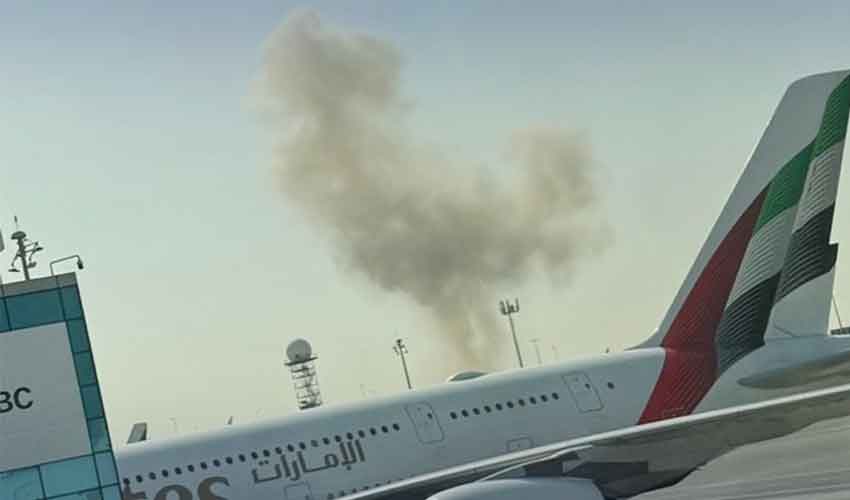
China also raised concerns about the impact of the Strait of Hormuz crisis on global trade and supply chains. During the same press briefing, Lin Jian warned that the closure of the strait has already begun affecting global supply chains.
The Strait of Hormuz is widely regarded as one of the world’s most important oil transit chokepoints, making any disruption a major concern for international markets.
Beijing calls for immediate de-escalation
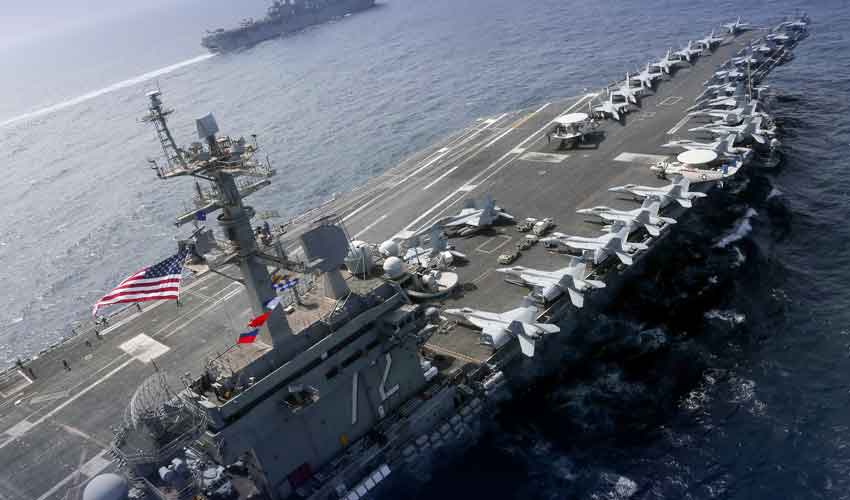
China urged all parties involved in the conflict to immediately halt military operations.
According to Lin Jian, diplomatic engagement and restraint are necessary to prevent further disruptions to international shipping and global energy supplies.
He stressed that maintaining regional stability is essential for global economic security.




.jpg)