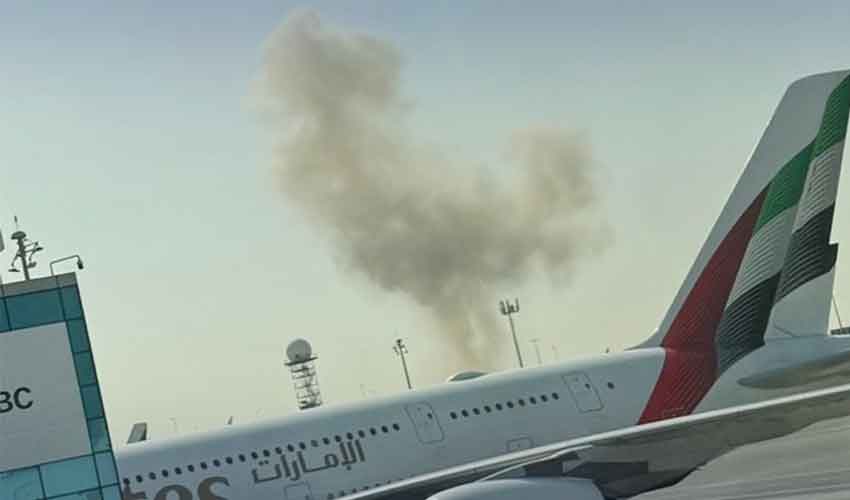






Pakistan’s LNG supply from Qatar has been completely suspended due to the ongoing war, officials told the Senate Standing Committee on Petroleum.
Authorities warned that the country may run out of LNG supplies after April 14, prompting emergency measures to manage gas distribution.
During a meeting of the Senate Standing Committee on Petroleum, officials from the liquefied gas department informed lawmakers that LNG supplies from Qatar have been severely affected.
According to the director general of liquefied gas, the suspension means Pakistan will not receive LNG gas after April 14 if the situation does not improve.
Officials explained that disruptions began earlier this year due to the outbreak of war affecting shipping routes and energy supply chains.
Majority of LNG cargoes could not arrive
Gas officials told the committee that only two out of eight LNG cargoes scheduled for March arrived in Pakistan. The remaining six cargoes from March could not arrive due to the war, worsening the country’s energy supply situation.
Similarly, three out of six LNG cargoes scheduled for April are also not expected to arrive, further deepening concerns about gas availability.
Emergency gas supply plan
Officials presented an emergency gas supply plan for March 2026 during the committee briefing. They said local gas production has been increased to partially offset the disruption in imported LNG supplies.
According to the DG Liquefied Gas, gas demand has not yet exceeded electricity generation needs, but the situation may become more challenging in the coming weeks.
Also Read: Govt plans petrol subsidy for low-income people
Officials warned that the power sector may need to rely on alternative electricity sources after April due to the LNG shortage. Authorities are also adjusting the distribution of gas across different sectors to manage the limited supply.
Adjustments in gas distribution across sectors
Under the proposed plan, system gas supply is expected to decrease from 655 million cubic feet per day (mmcfd) to 642 mmcfd. At the same time, RLNG supply is proposed to increase from 28 to 30 mmcfd to partially support the system.
Overall, total gas supply in the country is expected to decline from 683 mmcfd to 672 mmcfd.
Officials shared details of adjustments in gas consumption for different sectors. Gas consumption for domestic consumers is planned to increase from 399 to 420 mmcfd, prioritizing household needs.
Also Read: Govt increases prices of petroleum products further
Meanwhile, gas supply to the commercial sector is proposed to decrease from 10 to 8 mmcfd, while supply to the processing industry may drop from 140 to 120 mmcfd.
Changes in supply for power, industrial sectors
Gas supply to the power sector is expected to increase from 18 to 20 mmcfd to help maintain electricity generation. Similarly, fertilizer factories may receive slightly higher supplies, increasing from 29 to 30 mmcfd.
However, gas supply for captive power plants is proposed to decrease from 82 to 70 mmcfd as part of the emergency plan.
Alternative LNG imports being explored
Officials told the committee that Pakistan has an agreement with an Azerbaijani company to procure LNG if demand increases further. However, LNG from Azerbaijan would be three times more expensive than current supplies, making it a costly alternative.
Authorities warned that the global energy market remains highly uncertain due to the ongoing conflict, which continues to disrupt supply chains.







.jpg)