





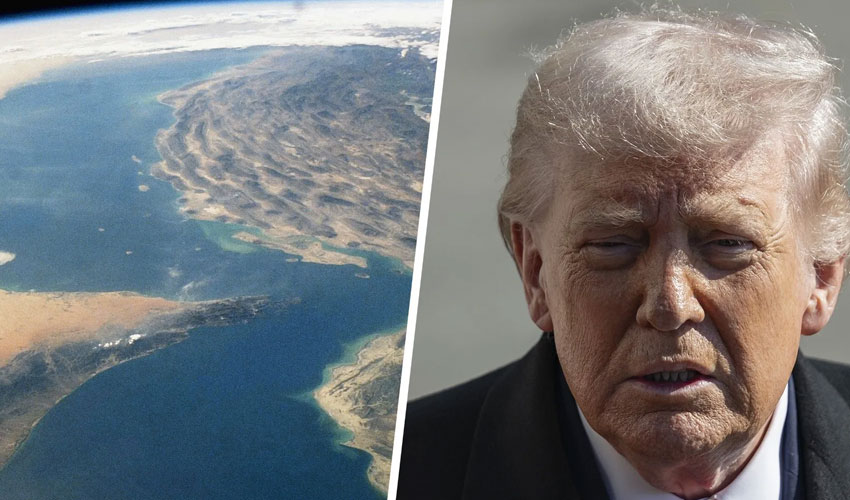
Donald Trump has criticised key Western allies for refusing to support US efforts to secure the Strait of Hormuz, as Iran and Israel continue exchanging strikes across the Middle East.
The conflict has entered its third week, raising fears of wider regional instability and energy disruptions.
President Trump expressed disappointment after countries including Germany, Spain, and Italy declined to send warships to escort oil tankers through the strategic waterway.
German Chancellor Friedrich Merz said Berlin lacked the necessary mandate from international bodies such as the UN, EU, or NATO, and noted that Germany had not been consulted before the conflict began.
Trump, speaking at the White House, said while some allies showed willingness, others lacked “enthusiasm,” adding that such responses mattered given longstanding US support to its partners.
The Strait of Hormuz, through which around 20% of global oil and LNG supplies pass, remains largely blocked due to Iranian drones and naval mines.
The disruption has pushed oil prices higher and raised concerns about inflation and global energy supply chains.
Iran and Israel exchange fresh attacks
Fighting intensified early Tuesday as Israel launched new strikes targeting Iranian infrastructure in Tehran and Hezbollah-linked sites in Beirut.
Iran responded with missile and drone attacks on Israel, demonstrating its continued long-range strike capability more than two weeks into the war.
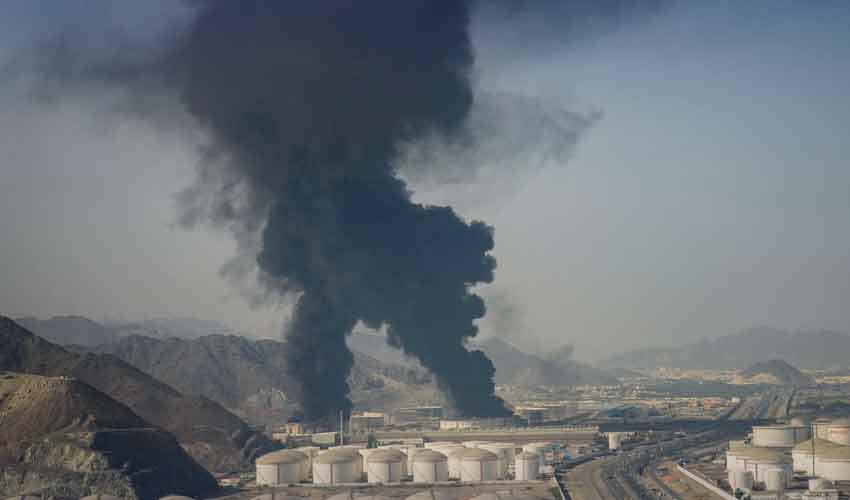
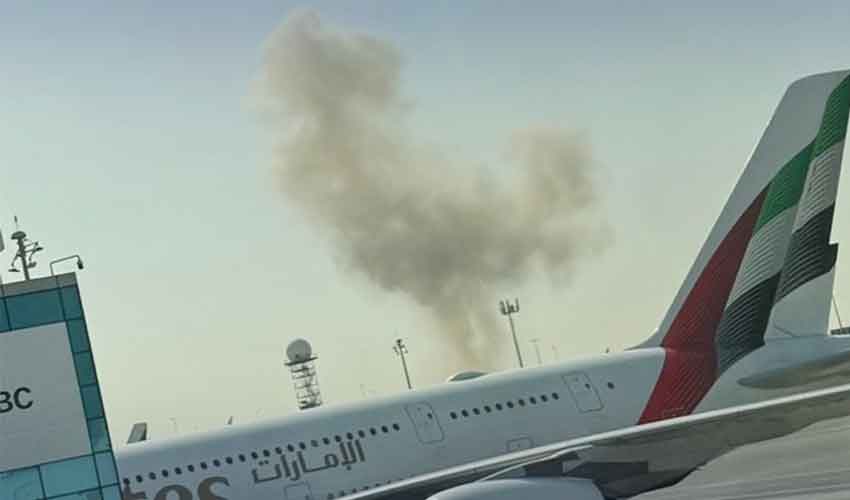
Iran expanded its strikes across the region, targeting oil and transport infrastructure in the United Arab Emirates. A drone hit an oil facility in Fujairah, while operations at the Shah gas field in Abu Dhabi were suspended.
Airspace closures disrupted major hubs, including Dubai International Airport, one of the world’s busiest airports.
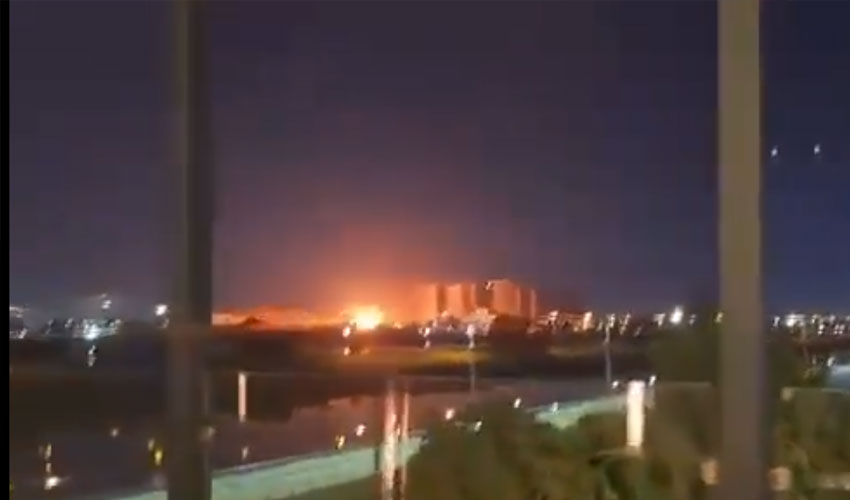
Meanwhile, rockets and drones targeted the US embassy in Baghdad, marking one of the most intense assaults since the war began. US officials reported no casualties.
Trump said Iran’s attacks on Gulf countries such as Qatar, Saudi Arabia, Bahrain, and Kuwait were unexpected.
However, US intelligence had warned that military action against Iran could trigger retaliation across the region, according to officials familiar with the reports.
Rising death toll and human impact
The war, which began on February 28, has killed at least 2,000 people across the Middle East, including around 200 children in Iran, according to Iranian Foreign Minister Abbas Araqchi.
Families continue to bear the brunt of the conflict, with reports of civilian casualties and emotional scenes at burial sites highlighting the human cost of the escalating war.