




Pakistan’s armed forces have launched a large-scale and coordinated counter-offensive against what officials describe as unprovoked aggression by the Afghan Taliban regime, destroying major military installations across Kabul, Kandahar, Paktia, Paktika and border sectors.
Security sources confirm heavy casualties and extensive infrastructure damage on the Afghan side, as air and ground operations continue.
According to security sources, 133 Afghan Taliban regime operatives have been confirmed dead, while more than 200 have been injured in the ongoing operations. Officials say casualties may rise as assessments continue.
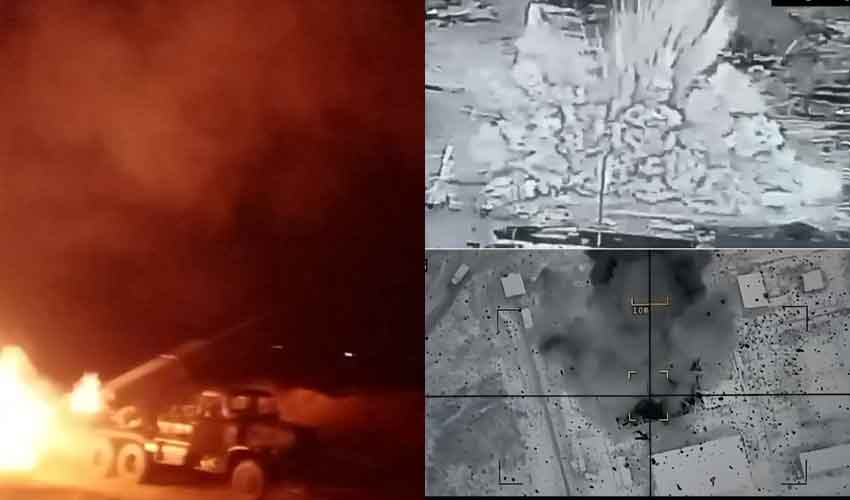
Afghan Taliban defense targets in Kabul, Paktia and Kandahar were struck in coordinated strikes, with Pakistani forces maintaining pressure on multiple fronts.
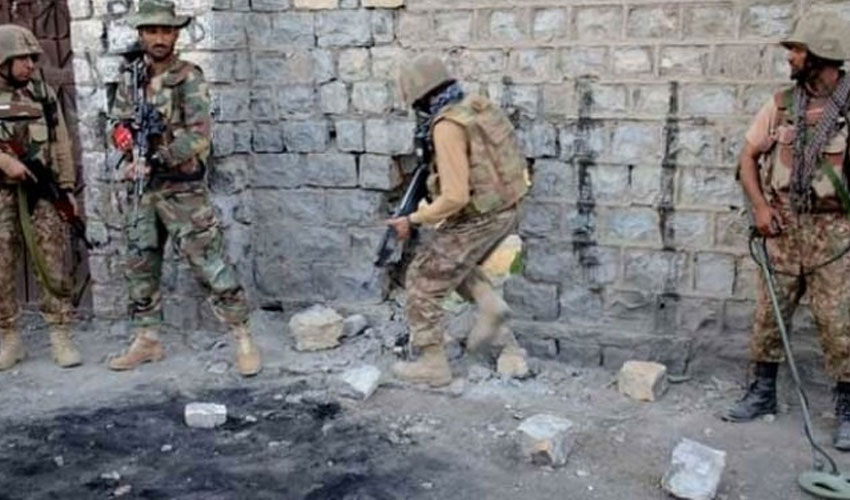
Pakistan’s forces destroyed 27 Afghan Taliban posts and successfully captured nine posts during retaliatory action, and hoisted the national flag over them.
In the Wali Khan sector along the Pak-Afghan border, an Afghan post was demolished. At the Kharlachi terminal, several Taliban posts were reduced to rubble, while in South Waziristan, a Dawood post was effectively targeted and destroyed.
Pakistan also successfully carried out an operation and inflicted severe damage on the Afghan Taliban's Khyber post, National Headquarters Complex and Khwar post, as per the security sources.
Security sources said the front lines of Afghan Taliban forces were “reduced to a pile of dirt” in several sectors.
Corps, brigade headquarters destroyed
In one of the most significant developments, Pakistan Army and Pakistan Air Force strikes destroyed:
-
Two corps headquarters
-
Three brigade headquarters
-
Two battalion headquarters
-
Two sector headquarters
-
Three brigade headquarters in Kabul, including two completely destroyed in recent airstrikes
-
An additional corps headquarters in Paktia
-
A brigade headquarters in Kandahar
-
Two ammunition depots
-
A logistics base in Kandahar
-
A large ammunition depot in Nangarhar
Security sources also reported that more than 80 tanks, artillery guns and armored personnel carriers (APCs) belonging to the Afghan Taliban regime were destroyed.
Pakistani jets were seen patrolling the skies over Kandahar after conducting precision airstrikes.
Corps headquarters targeted in Kandahar, Paktika
Security officials confirmed that the Afghan Taliban’s corps headquarters in Kandahar province was destroyed. A brigade headquarters and a logistics base in Kandahar were also successfully eliminated.
In Paktika, Pakistani security forces destroyed another corps headquarters and targeted important Taliban military installations in a coordinated strike. Officials described the operations as “effective, decisive and ongoing.”
Heavy fighting across Torkham, Angoor Adda, Mohmand, Bajaur sectors
Operations expanded across multiple border regions:
-
Several Afghan Taliban checkposts near the Torkham border were targeted and destroyed.
-
Security forces carried out vigorous operations at Torkham, forcing Taliban fighters to flee.
-
Afghan Taliban reportedly loaded goods onto trucks and escaped from the Torkham border area.
-
In Angoor Adda, hideouts and multiple enemy centers were destroyed, paralyzing enemy activity in the border belt.
-
Near the Mohmand sector, Taliban fighters were forced to abandon their posts following intense retaliation.
-
In Nawapas sector, terrorist hideouts were effectively targeted.
Security sources said Afghan Taliban forces fled after facing what they described as a “strong and suffocating response” from Pakistani forces.
Mosque in Bajaur damaged
Officials stated that Afghan Taliban’s unprovoked aggression targeted a mosque in Bajaur. The roof and other parts of the mosque were badly damaged due to shelling.
Security forces described the attack as a serious escalation and said a befitting response was being delivered.
An infiltration attempt by a terrorist near the Bajaur sector was successfully foiled. Security forces captured one militant alive who had crossed the border. The arrested individual identified himself as Abdullah, according to security sources.
Operation Ghazab Lil Haq
Officials confirmed that the large-scale response has been formally named Operation Ghazab Lil Haq, aimed at countering the Afghan Taliban regime’s unprovoked aggression.
Security sources emphasized that operations are being conducted on both air and ground levels, with coordinated and calibrated strikes.
'Prompt and strong response'
Federal Information Minister Atta Tarar said Afghanistan was responded to in a “very prompt and strong manner.”
He stated that Afghan Taliban demonstrated unprovoked aggression, but Pakistan’s armed forces ensured the defense of the motherland and crushed the Taliban response. Adar added that the Afghan Taliban have been plunged into a state of uncertainty due to Pakistan’s decisive counter-attacks.
Security officials confirmed that the Pakistan Army’s effective and coordinated counter-operations continue across multiple sectors. They described the response as vigorous, powerful and decisive, stating that enemy activities in the border regions have been significantly paralyzed.
The armed forces, they said, remain fully engaged in safeguarding national security and responding forcefully to any unprovoked aggression.




.png)