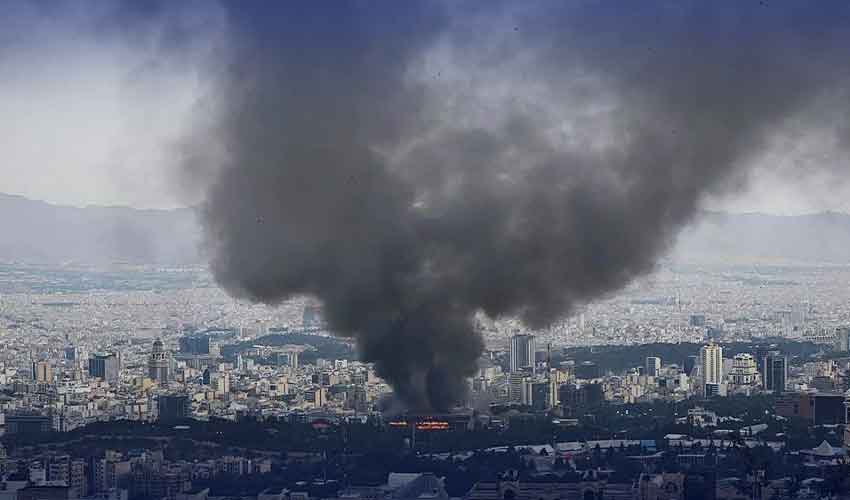






Oil prices rose for a third consecutive day on Tuesday as escalating tensions between the United States, Israel, and Iran intensified fears of supply disruptions in the Middle East.
According to Reuters, Brent crude futures were trading at $79.44 per barrel by 04:00 GMT, up $1.70 or 2.2%.
On Monday, the contract had surged as high as $82.37 per barrel — its highest level since January 2025 — before trimming gains to settle 6.7% higher.
Meanwhile, U.S. West Texas Intermediate (WTI) crude rose $1.17, or 1.6%, to $72.40 per barrel. In the previous session, WTI initially climbed to its highest level since June 2025 before easing slightly, though it still closed up 6.3%.
Strait of Hormuz in focus
Market concerns have intensified following threats to shipping through the strategically vital Strait of Hormuz — a key transit route for a significant portion of the world’s oil supplies.
The widening U.S.–Israeli conflict with Iran has raised fears that disruptions to maritime traffic could severely impact global energy flows.
Tony Sycamore, a market analyst at IG Group, told Reuters that the risks remain tilted to the upside.
“With no quick de-escalation in sight, the Strait of Hormuz effectively closed and Iran showing a willingness to target energy infrastructure in the region, upside risks remain and they grow the longer the conflict drags on,” he said.
Growing supply risk premium
Energy markets are now pricing in a higher geopolitical risk premium as the conflict shows little sign of easing.
The Strait of Hormuz handles roughly one-fifth of global oil consumption, making any sustained disruption a major threat to energy-importing nations and global economic stability.
Analysts warn that prolonged hostilities could push crude prices even higher, adding inflationary pressures worldwide and complicating monetary policy decisions for major central banks.





.jpg)