




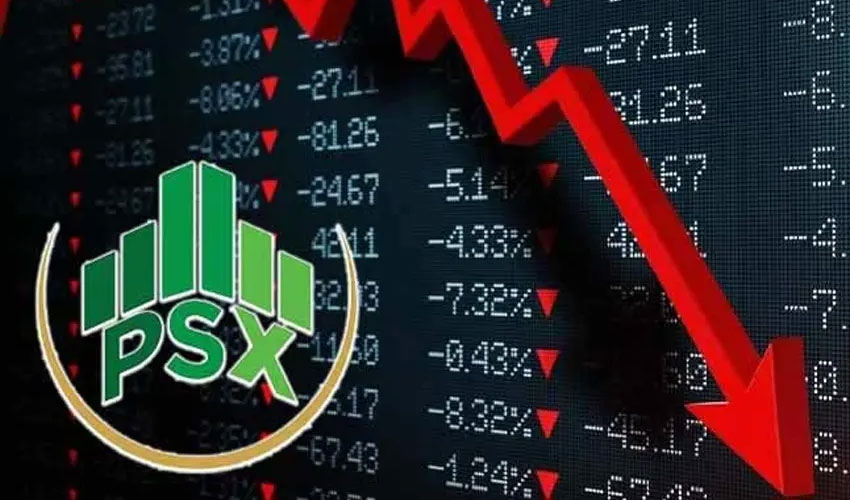
The Pakistan Stock Exchange (PSX) experienced extreme volatility on Monday as the benchmark KSE-100 Index plunged nearly 9% in early trade amid escalating regional geopolitical tensions and soaring global oil prices.
Trading was temporarily halted before the market staged a sharp recovery.
At 9:22 a.m., the KSE-100 slid to 152,991.15 points, down 15,071.01 points (8.97%), prompting an automatic market halt under PSX regulations. Trading resumed at 10:22 a.m., and by 11:05 a.m., the index had recovered to 158,897.54 points, still down 9,164.62 points (5.45%) from the previous close.
“All TRE Certificate Holders are hereby informed that due to a 5% decrease in the KSE-30 index from the previous trading day’s close, a Market Halt has been triggered, and all equity-based markets have been suspended accordingly,” the PSX notice read.
Geopolitical concerns and market sentiment
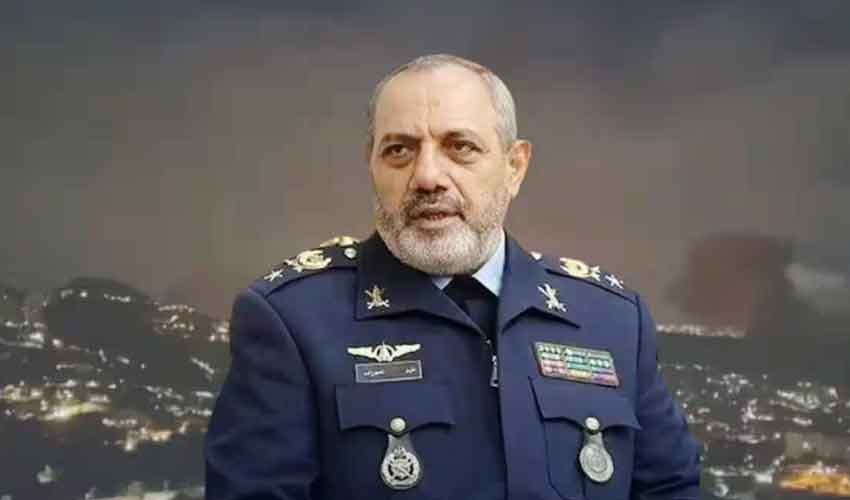
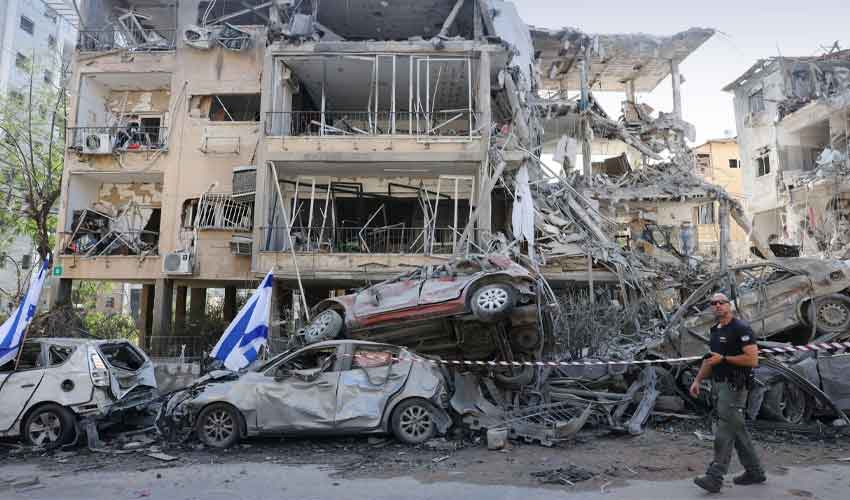
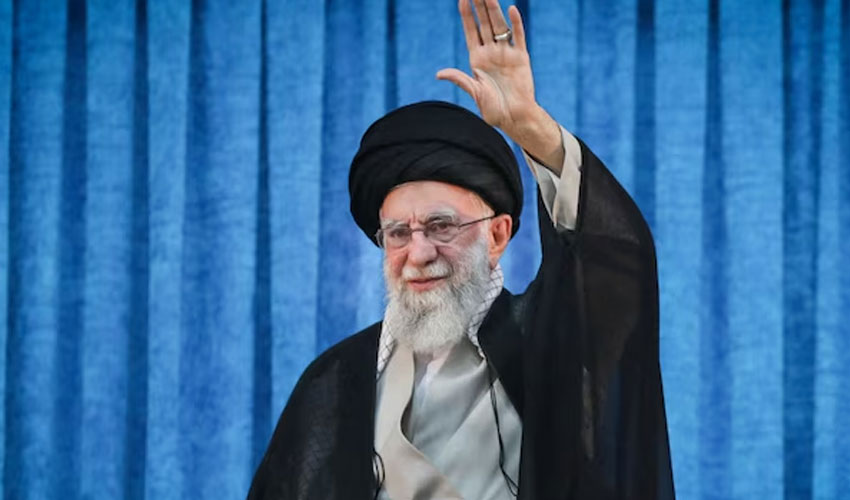
Analysts linked the massive sell-off to fears of rising economic pressures as geopolitical tensions intensify, particularly following US and Israeli military strikes on Iran and subsequent Iranian missile attacks across the region.
“Elevated oil prices are highly detrimental to Pakistan’s external account, and persistently high commodity prices are likely to trigger a new wave of inflation,” said an expert.
Sector-wide selling
Across-the-board selling gripped major sectors, including:
-
Automobiles
-
Cement
-
Commercial banks
-
Fertilizers
-
Oil and gas exploration
-
Power generation and refineries
Top index-heavy stocks such as HBL, MCB, MEBL, MARI, OGDC, POL, PPL, HUBCO, and ARL traded sharply lower.
Global market reactions
International markets mirrored the volatility, with oil and gold surging amid Middle East tensions:
-
Brent crude rose 4.5% to $76.07/barrel, briefly topping $82.00
-
US crude climbed 3.9% to $69.59/barrel
-
Gold gained 1.0% to $5,327/ounce
-
MSCI Asia-Pacific ex-Japan index fell 1.2%
Investors are closely watching the Strait of Hormuz, a key waterway for global oil and gas trade, where tankers have piled up amid security concerns and insurance hesitancy.

.jpg)