






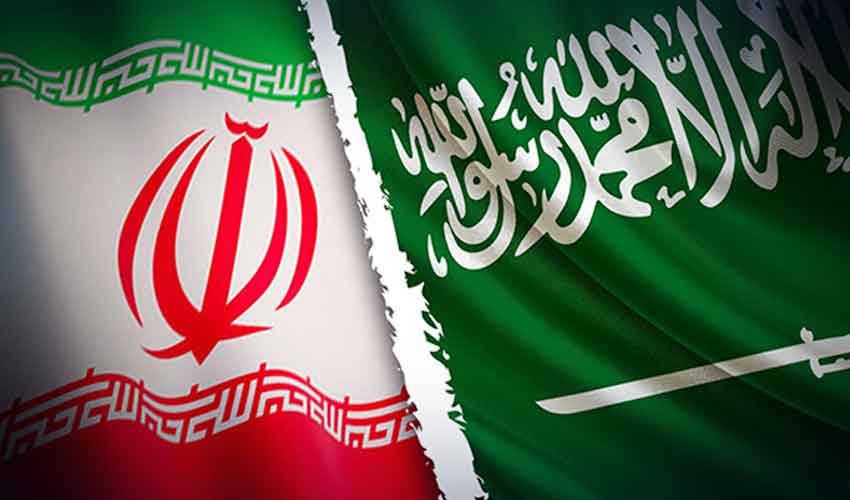
Saudi Arabia has stepped up diplomatic efforts to prevent the Middle East conflict from spiraling into a wider regional war.
According to a Bloomberg report, the kingdom has intensified direct backchannel contacts with Iran while urging European countries and regional leaders to help reduce tensions.
Saudi Arabia has significantly increased its direct diplomatic engagement with Iran in recent days in an effort to contain the ongoing war in the Middle East.
According to Bloomberg News, citing several European officials, Saudi authorities have urgently activated backchannel communication with Tehran to reduce tensions and prevent the conflict from worsening.
The report said the talks involve both diplomatic and security officials, though it remains unclear whether senior government leaders are directly participating in the negotiations.
European, regional countries support
Several European and regional nations are supporting Saudi Arabia’s mediation efforts, according to officials quoted in the Bloomberg report.
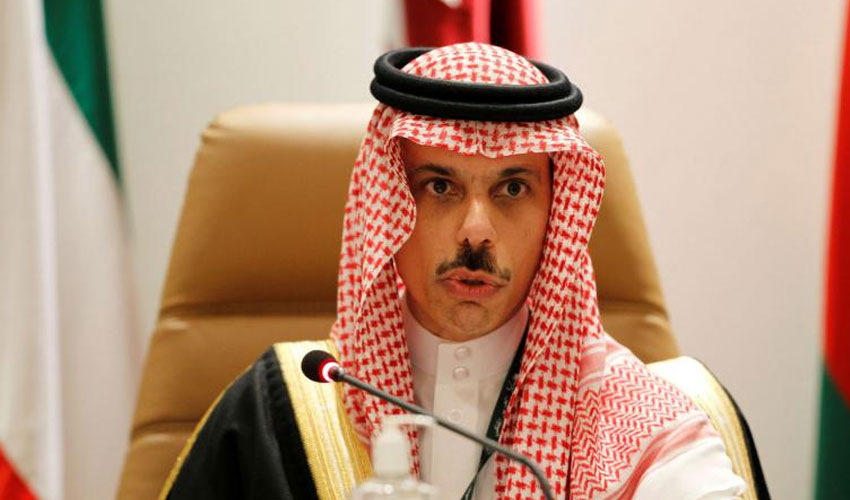
Saudi Crown Prince Mohammed bin Salman has also taken European countries into confidence, urging them to play an active role in preventing a broader war in the Middle East.
The diplomatic push reflects growing international concern over the conflict’s potential to destabilize the region and disrupt global energy markets.
Crown Prince calls global leaders
As part of the diplomatic outreach, Saudi Crown Prince Mohammed bin Salman held a telephone conversation with British Prime Minister Keir Starmer, according to the Saudi Foreign Ministry. During the call, the two leaders discussed the Iran-Iraq war and the wider regional situation.
The Saudi crown prince also spoke by phone with Turkish President Recep Tayyip Erdogan, while the President of Cyprus also contacted the Saudi leader to discuss developments in the Middle East.
Iran shows little sign of negotiation
Despite Saudi diplomatic efforts, Iran has so far shown no inclination to negotiate an end to the conflict with the United States and Israel, according to the Bloomberg report.
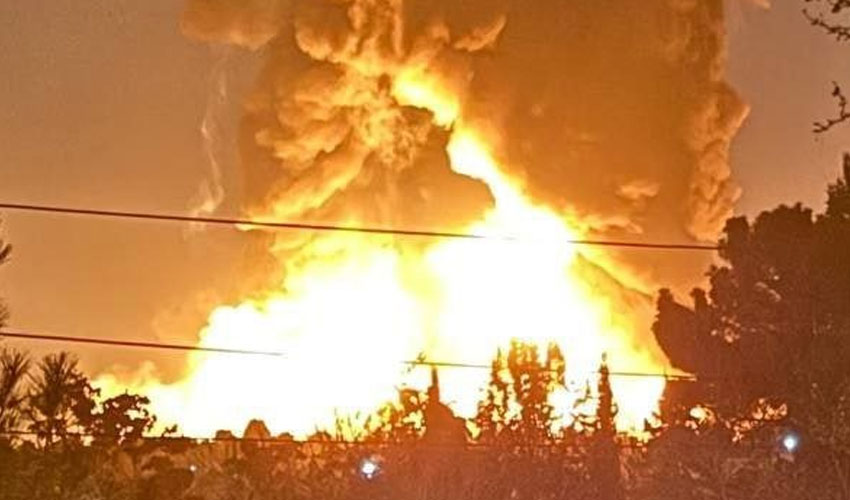
Tehran has continued its retaliatory missile and drone attacks, targeting Israel and US military installations, as well as launching hundreds of ballistic missiles and thousands of drones toward Gulf Arab states.
These attacks have targeted energy infrastructure, civilian facilities, and US bases in the region, apparently aimed at pressuring Arab governments to lobby for an end to the war.
Iran’s ongoing campaign has had severe economic consequences across the Gulf region.
Iranian missile and drone attacks continued on Friday, with Saudi Arabia’s Defense Ministry announcing that its forces intercepted several ballistic and cruise missiles along with three drones east of Riyadh.
Meanwhile, Iranian strikes also targeted Iraq, where an Iraqi security official said four drones hit Basra Airport and two oil facilities in southern Iraq.
One drone struck the cargo terminal at Basra Airport, while two others hit a US company operating in the Burjesia oil complex, and another drone struck the Rumaila oil field, where energy giant BP operates.
Strait of Hormuz traffic nearly halted
In addition to missile and drone attacks on Gulf infrastructure, Iran has effectively restricted traffic through the Strait of Hormuz, one of the world’s most critical energy shipping routes.
The strait normally carries around 20 percent of the world’s oil and gas supply, but shipping activity has dropped sharply.
According to MarineTraffic data analyzed by AFP, only nine oil tankers, cargo ships, and container vessels have crossed the strait since Monday.
These figures include only vessels that transmitted at least one AIS (automatic identification system) signal, meaning some ships may have traveled with their signals completely concealed.
Maritime shipping increasingly dangerous
Attacks on ships navigating the Strait of Hormuz have multiplied since Sunday, raising fears about a long-term disruption to global energy markets. While Iran has launched numerous attacks, an Iranian military spokesman Abolfazl Shekarchi said the country does not intend to close the strait.
“We emphasize the security of the Strait of Hormuz and control it, but we will not close it,” Shekarchi told Iranian state broadcaster IRIB.
Despite the danger, some vessels continue to move through the strait.
White House defends US actions
White House spokeswoman Anna Kelly said Iran’s retaliatory attacks had already decreased significantly.
She said Iran’s ballistic missile attacks have dropped by about 90% because Operation Epic Fury has damaged Iran’s ability to launch or produce more weapons. Kelly also said US President Donald Trump remains in close contact with regional allies.
She added that Iran’s attacks on neighbouring countries demonstrate why Washington believed it was necessary to eliminate the threat posed by Tehran’s military capabilities.
The Pentagon did not immediately respond to requests for comment.
While official reactions from Gulf governments have been relatively restrained, some influential regional figures have openly criticized the conflict.
Former Saudi intelligence chief Prince Turki al-Faisal told CNN that the war was primarily driven by Israel.
“This is Netanyahu’s war,” he said, adding that the Israeli leader had convinced the U.S. president to support the military campaign.
Pentagon struggles to counter drone attacks
According to US defense officials speaking in closed-door briefings with lawmakers, American forces are struggling to stop waves of Iranian drones. The ongoing attacks have left some US military facilities and troops in the Gulf region vulnerable.
The Gulf region has become a primary target for Iran’s military retaliation, largely because of its strategic and economic significance.
The area hosts US troops, major energy facilities, international business hubs, and tourist centers, making it highly vulnerable to missile and drone strikes.
According to an Associated Press tally based on official statements, Iran has launched at least 380 missiles and more than 1,480 drones toward the five Arab Gulf countries since the war began.
At least 13 people have been killed in the Gulf states, according to local authorities.






.jpg)
.jpg)