






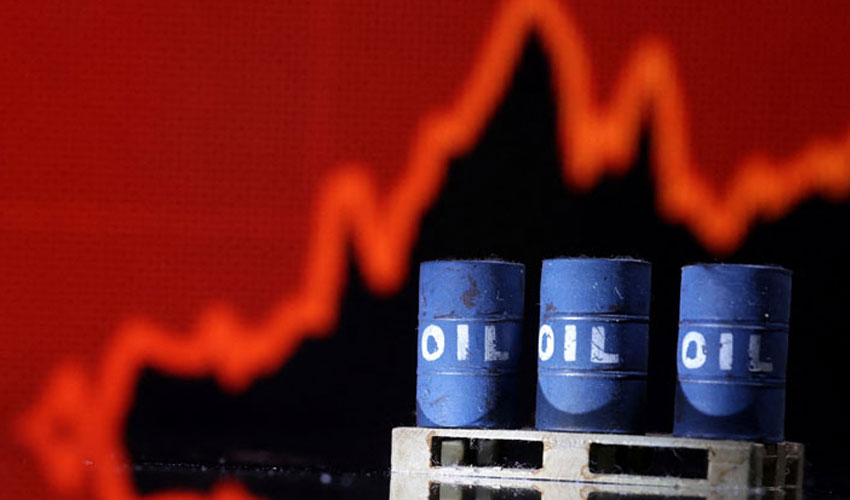
Oil prices soared past $100 a barrel as the ongoing US-Israel war on Iran sparked fears of prolonged disruption to global energy supplies.
Brent crude, the international benchmark, surged over 20 percent on Sunday, at one point topping $114 per barrel, marking the first time prices have exceeded $100 since Russia’s 2022 invasion of Ukraine.
After slight moderation, Brent crude hovered around $107.50 per barrel as of 02:30 GMT on Monday.
The surge reflects concerns over restricted shipping in the Strait of Hormuz, a vital artery for global oil trade, as Iran’s retaliation has effectively halted traffic through the waterway, threatening about one-fifth of the world’s oil supply.
Trump and US officials respond
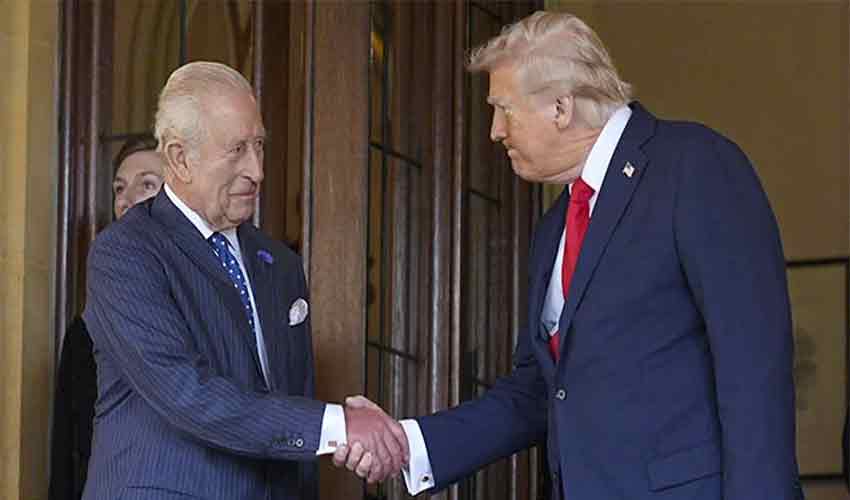
US President Donald Trump addressed the price spike on Truth Social, describing it as a “very small price to pay” for global safety and peace.
US Secretary of Energy Chris Wright told CBS News that any rise in petrol prices would be “temporary,” seeking to reassure consumers amid growing market anxiety.
Impact of regional conflict
Crude oil prices have surged approximately 50 percent since the joint US-Israel strikes on Iran on February 28.
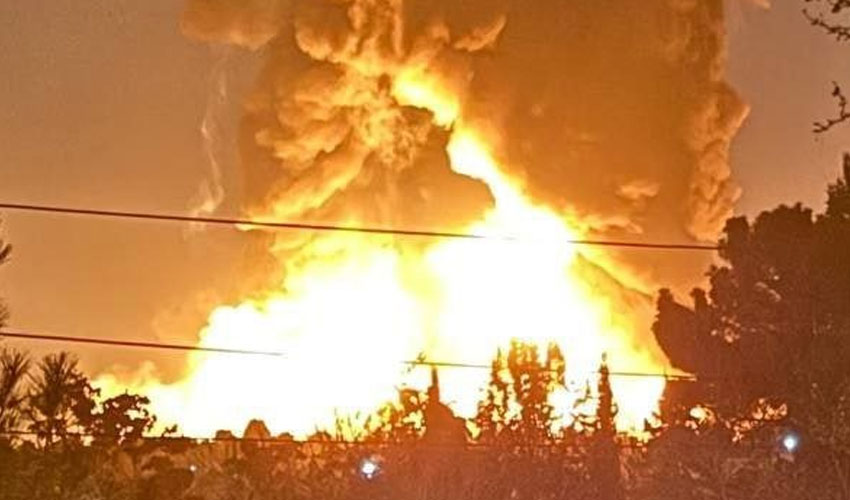
Attacks on oil facilities across the Gulf, including in Qatar, Saudi Arabia, and Kuwait, and Israel’s recent strikes on Iranian storage and production centers, have added to supply concerns.
Meanwhile, Iraq, the UAE, and Kuwait — major OPEC producers — have cut output amid a backlog of oil due to restricted shipping through the Strait of Hormuz.
The rising oil prices triggered a drop in Asian share futures, with S&P 500 futures down 1.6% and Nasdaq futures falling 1.7% on Monday.
The dollar also strengthened sharply against the euro and yen, reflecting investor worries over inflation and rising living costs linked to surging energy prices.









.jpg)
.jpg)