





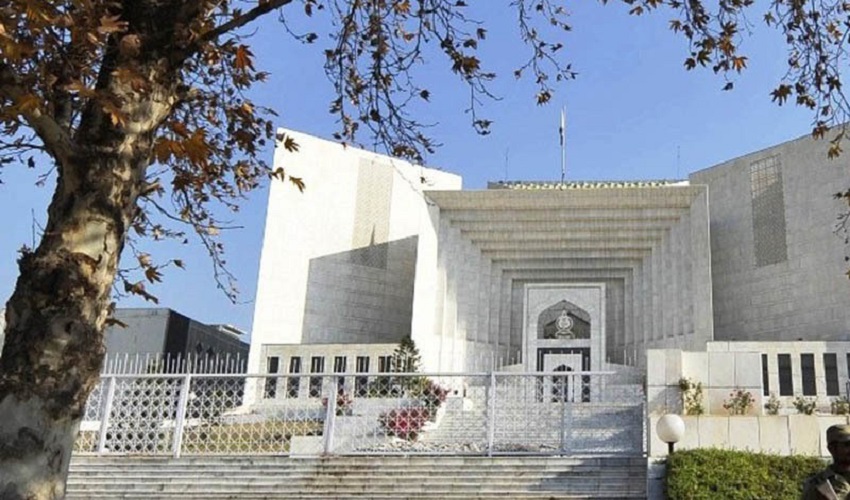
The Supreme Court has issued a significant ruling in the rape and torture case of a medical student in Faisalabad, declaring that rape and making the video of the crime viral on social media constitute two separate offences.
The judgement clarifies that both crimes can be tried independently and may result in separate punishments.
In its landmark decision, the Supreme Court ruled that raping someone and uploading the video on social media are two distinct criminal acts. The court stated that both offences will be tried separately, meaning more than one sentence can be imposed on the accused.
The ruling came while rejecting an application that sought to consolidate two separate trials related to the rape and the viral video of the incident.
Faisalabad medical student case
The case relates to the rape and torture of a medical student in Faisalabad, where separate cases had been filed for the rape and for making the video of the incident viral online.
According to the judgement, separate investigations can also be conducted by different institutions, and such a process is fully in accordance with the law.
The Supreme Court emphasized that combining the cases is not mandatory under the law.
The accused had argued that the cases should be merged, citing the Supreme Court’s earlier decision in the Sughran Bibi case, which stated that two FIRs cannot be registered for the same incident.
However, the court clarified that the Sughran Bibi precedent will not apply in situations where a rape video is recorded and shared on social media. As a result, the court dismissed the request to merge the cases and allowed both trials to proceed independently.
Discretion to combine cases
In the written judgement, Justice Salahuddin Panhwar stated that combining cases is a discretionary power of the trial court rather than a mandatory legal requirement.
The decision confirmed that the student had filed separate cases of rape, torture, and making the video viral, and these cases could legally proceed through independent investigations and trials.
New directive to protect witnesses
The Supreme Court also issued important guidelines regarding the treatment of witnesses in court. The judgement made it mandatory to provide a chair in the witness dock during testimony, noting that there is no legal requirement for witnesses to record their statements while standing.
The court observed that forcing witnesses to stand for hours is against human dignity and violates the constitutional right to a fair trial.
Court warns against misuse of cross-examination
The Supreme Court also addressed concerns about the misuse of cross-examination in court proceedings. It ruled that asking irrelevant questions intended to exhaust or humiliate witnesses is an abuse of the right to cross-examination.
The court further emphasized that judges must not remain silent spectators during cross-examination and should instead act as vigilant observers to ensure fairness in the trial process.
Following the decision, the Supreme Court ordered the Registrar of the Supreme Court to send a copy of the judgement to all high courts. The directive aims to ensure that the legal principles outlined in the ruling are implemented across the country’s judicial system.











.jpg)
.jpg)