






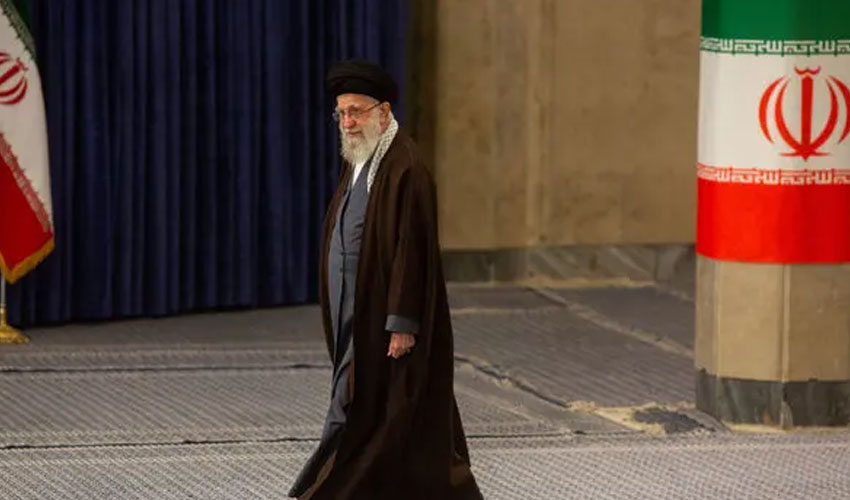
Iran is moving closer to appointing a new Supreme Leader following the killing of Ayatollah Ali Khamenei earlier in the ongoing war with the United States and Israel.
Iranian media report that the country’s powerful clerical council could meet soon to finalize the decision amid growing military pressure and political uncertainty.
Iran’s Assembly of Experts, the clerical body responsible for choosing the Supreme Leader, may convene as early as Sunday to select Khamenei’s successor.
According to Iranian officials, a consensus on the next leader has largely been reached, signaling that the succession process is nearing completion despite the ongoing conflict.
Two Iranian sources told Reuters that the leading candidate to replace Ali Khamenei is his son, Mojtaba Khamenei.
Mojtaba Khamenei has gained significant influence within Iran’s security establishment and the extensive business networks tied to the ruling elite. His potential appointment would signal that hardline factions remain firmly in control of the country’s leadership.
Ayatollah Mohammadmehdi Mirbaqeri, a member of the Assembly of Experts, said that a majority agreement has already been reached regarding the successor. Another cleric, Ayatollah Mohsen Heidari Alekasir, indicated that the chosen candidate reflects Khamenei’s guidance that Iran’s leader should be someone strongly opposed by the country’s adversaries.
War intensifies
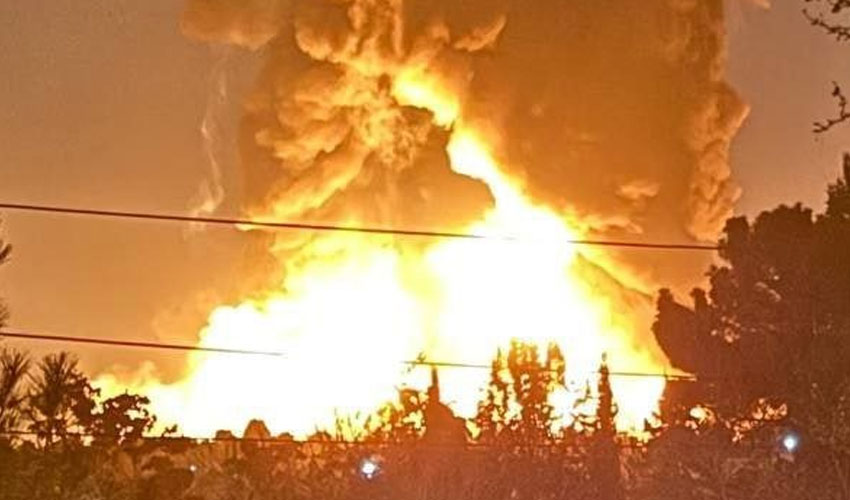
The leadership transition comes as Israel expanded its attacks on Iranian infrastructure, including fuel storage facilities near Tehran. Thick black smoke was seen rising over the capital following overnight strikes that set oil depots ablaze.
Israeli Prime Minister Benjamin Netanyahu vowed to continue the military campaign and warned that Israel would target any future Iranian leader if necessary.
Meanwhile, U.S. President Donald Trump said the conflict could end only when Iran’s military and leadership are completely neutralized, raising the possibility of a prolonged confrontation.
The conflict has already spread beyond Iran and Israel. Gulf states including Bahrain, Kuwait, Saudi Arabia, and the United Arab Emirates reported Iranian drone attacks on facilities and infrastructure.
In Bahrain, authorities confirmed damage to a desalination plant after a drone strike, marking the first reported attack on such infrastructure in the region during the conflict.






.jpg)
.jpg)