





The ongoing conflict between United States, Israel, and Iran has heightened economic risks and uncertainty for Pakistan, officials have told the International Monetary Fund (IMF) during virtual six-monthly review talks.
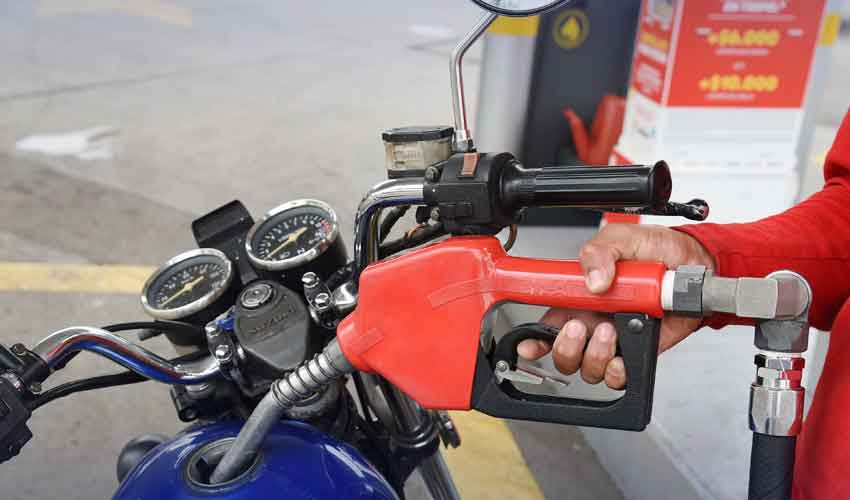
In the briefing, Pakistani authorities highlighted that recent increases in fuel prices could drive inflation higher, although remittances are expected to remain stable. The government has also conditioned relief for salaried citizens and the removal of the super tax in the upcoming budget on IMF approval.
Officials reported that while some economic indicators are improving, uncertainty and risks persist. Core inflation reached 7.6% in February 2026, and further increases are possible due to rising prices in food, fuel, and energy. Economic growth for the current fiscal year is projected at 4%, slightly below the target of 4.2%.
The IMF has set a target of $18 billion in foreign exchange reserves by June. Currently, Pakistan’s State Bank holds $16.3 billion in reserves. Remittances are estimated to reach $43 billion this year, while the current account deficit is projected at $2 billion.
The government also presented several proposed tax measures requiring IMF approval, including:
- A potential 5% reduction in income tax for salaried workers
- Removal of the super tax on corporations and wealthy individuals
- Reduced property income taxes
- Withdrawal of the 1% advance tax on exports




.jpg)