





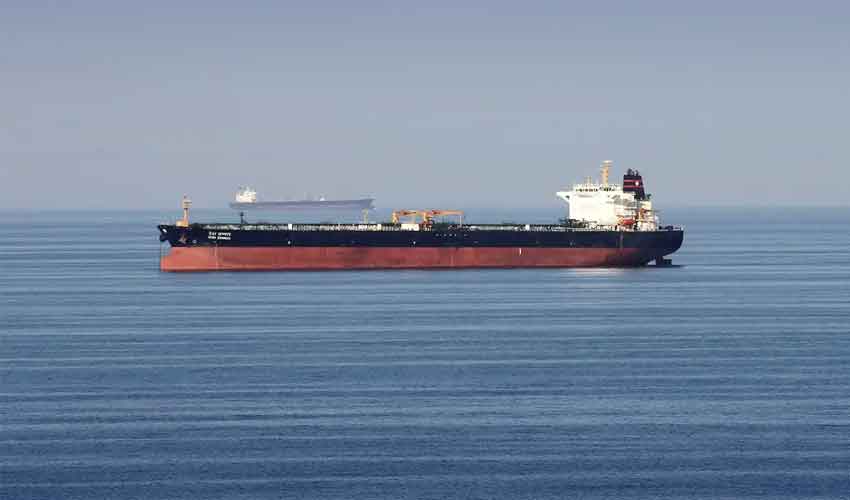
Amid rising regional tensions and concerns over energy security, oil tankers have begun arriving at Port Qasim to ensure Pakistan’s fuel supply remains stable during the ongoing war situation.
Authorities confirmed that multiple ships carrying petroleum products have reached the port, with more tankers expected in the coming days to strengthen the country’s oil reserves.
According to industry sources, three oil-laden ships have already arrived at Port Qasim, providing relief amid fears of potential fuel shortages. Officials also confirmed that a fourth tanker is scheduled to arrive in Karachi tomorrow, further boosting supply.
Port Qasim authorities said the arrivals are part of a planned effort to maintain a steady flow of petroleum products into the country.
Oil imported through alternative routes
Sources said Pakistan arranged the shipments by bypassing the Strait of Hormuz, which has become a sensitive maritime route due to the ongoing regional conflict. Instead, the oil was transported through the Red Sea and other alternative shipping routes.
Also Read: Oil sinks 7% as Trump predicts Middle East de-escalation
The petroleum cargoes were sourced from Saudi Arabia, Kuwait, and Singapore, according to industry officials.
Shipping schedule of oil tankers
Port authorities shared the schedule of vessels arriving with petroleum products. According to the shipping details received by Samaa:
-
MT Nave Atropos reached Port Qasim on March 9 carrying 50,000 metric tons of oil.
-
MT Spross Two, carrying 55,000 metric tons of oil, is expected to anchor at the port tonight.
-
MT C Clipper will arrive tomorrow at 12pm with 34,000 metric tons of oil.
More vessels expected
Officials at Port Qasim said additional oil tankers are expected to arrive in the coming days to maintain a consistent supply of petroleum products across Pakistan.
Industry sources added that the latest shipments will help increase Pakistan’s petroleum reserves to approximately 30 days.
The additional supply is expected to strengthen the country’s energy security during the ongoing regional conflict, ensuring stable fuel availability for both industry and consumers.







.jpg)