





Pakistan marked World Water Day with urgent warnings from top leadership, as Prime Minister Shehbaz Sharif and President Asif Ali Zardari highlighted the country’s worsening water crisis and called for stronger national and international action.
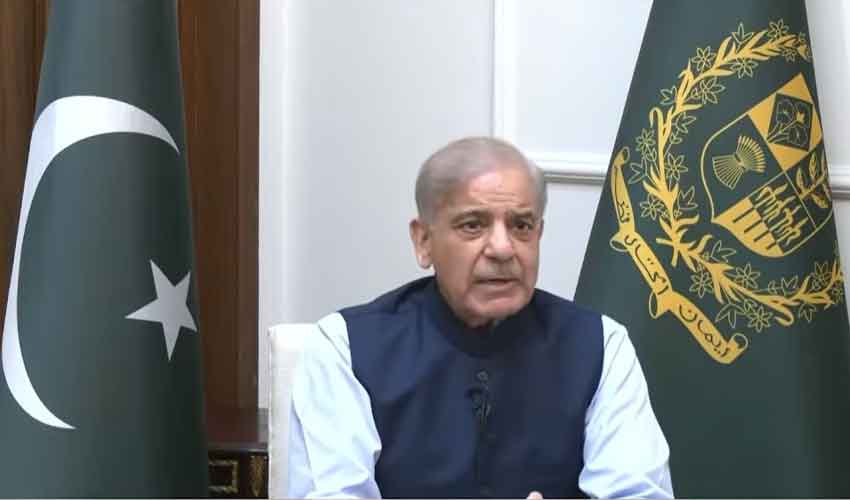
Prime Minister Shehbaz Sharif said Pakistan is increasingly facing the challenge of water scarcity due to climate change and shifting glacial patterns.
He noted that changes in climatic and glacial regimes have significantly increased risks to water availability, stressing that clean water remains a basic human right.
The premier emphasized that securing water resources for the future is a top government priority.
Shehbaz said the government is implementing key reforms under the National Water Policy to address the crisis. He revealed that work is underway on 18 small, medium, and large dams aimed at boosting water storage capacity.
The government is also working to reduce water losses by 33% through improvements in the canal system and increase efficient water usage by 30%.
The PM highlighted the installation of a telemetry system to improve transparency in water distribution. He said the system will enable real-time monitoring of river flows and help resolve long-standing inter-provincial water distribution issues.
These measures are expected to strengthen trust and efficiency in Pakistan’s water management framework.
Women’s role in water governance
Shehbaz stressed the importance of ensuring women’s representation in water management and decision-making processes. He said inclusive participation is essential for sustainable water solutions and long-term national progress.
He reaffirmed Pakistan’s commitment to safeguarding its national water rights with determination. He also strongly condemned any form of “water aggression,” signaling concerns over regional disputes.
President highlights unequal impact of water crisis
President Asif Ali Zardari said water scarcity affects different groups unevenly, with women and girls facing the greatest burden. He pointed out that in many areas, households rely on distant or unreliable water sources, making daily life more difficult.
The president called for making safe and reliable water supply a national priority.
Zardari stressed the need for improved water resource management, increased investment in water systems, and greater inclusion of women in planning processes. He also highlighted the importance of replenishing groundwater reserves and raising water levels to ensure long-term sustainability.
The president warned that climate change is further increasing pressure on water resources, making responsible usage essential.
Reaction to India over Indus Waters Treaty
In a sharp statement, President Zardari condemned India’s unilateral suspension of the Indus Waters Treaty. He described the use of shared water resources as a weapon as “deeply concerning” and a violation of both the spirit and letter of the international agreement.
Zardari also criticized India for obstructing agreed procedures, calling it a breach of international commitments. He emphasized that the Indus Waters Treaty plays a crucial role in ensuring fair distribution of the Indus River system.
He urged India to fully implement the agreement in line with its international obligations.
Zardari added that proper implementation of water agreements can also contribute to job creation and economic stability for millions.