




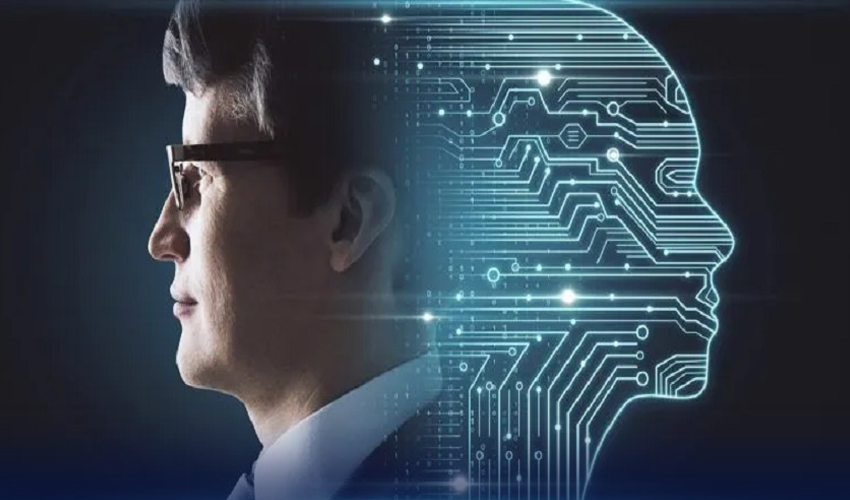
In a major policy shift aimed at preparing students for the digital future, the Higher Education Commission (HEC) has decided to introduce a mandatory artificial intelligence (AI) course in all bachelor’s and master’s programs from the upcoming academic session.
The move is being seen as a strategic step to align Pakistan’s higher education system with global technological trends.
According to the decision, artificial intelligence education will now be taught regularly in both public and private universities across the country. The course will be included as a compulsory component of undergraduate and postgraduate degree programs starting from the new academic year.
The announcement has sparked an important debate: Will this move help Pakistan compete in the global technology race? And more importantly, are universities fully prepared to deliver quality AI education?
Education experts say the initiative is timely and essential, but its success will depend heavily on implementation.
Why AI education is need of the hour
Experts believe that making AI a mandatory subject reflects the changing demands of the global job market.
Artificial intelligence, machine learning, data science, and automation are rapidly transforming industries worldwide. By equipping students with AI-related skills, universities can help them stay competitive in international and local markets.
According to education specialists, AI literacy is no longer optional — it is becoming a fundamental skill similar to computer literacy in previous decades.
Impact on students and practical benefits
Students are expected to benefit practically from structured exposure to AI concepts.
With proper curriculum design, they can gain hands-on skills in data analysis, problem-solving, automation tools, and emerging technologies. These competencies could open doors to careers in tech startups, software development, fintech, healthcare technology, and research.
However, experts caution that theoretical knowledge alone will not be enough. Practical labs, updated software tools, and trained faculty will be critical for meaningful learning outcomes.
Economic implications
Analysts suggest that widespread AI education could have long-term positive effects on Pakistan’s economy.
A workforce trained in artificial intelligence can attract foreign investment, strengthen the IT export sector, and promote innovation-driven entrepreneurship. Over time, this could contribute to digital transformation and economic growth.
If implemented effectively, the policy may help reduce the skills gap and enhance Pakistan’s competitiveness in the global digital economy.
While welcoming the move, experts emphasize that simply adding a course to the syllabus is not enough.
Effective implementation, faculty training, curriculum modernization, and strong collaboration with industry partners will determine whether the initiative succeeds. Without practical exposure and industry linkages, the impact may remain limited.









.gif)