





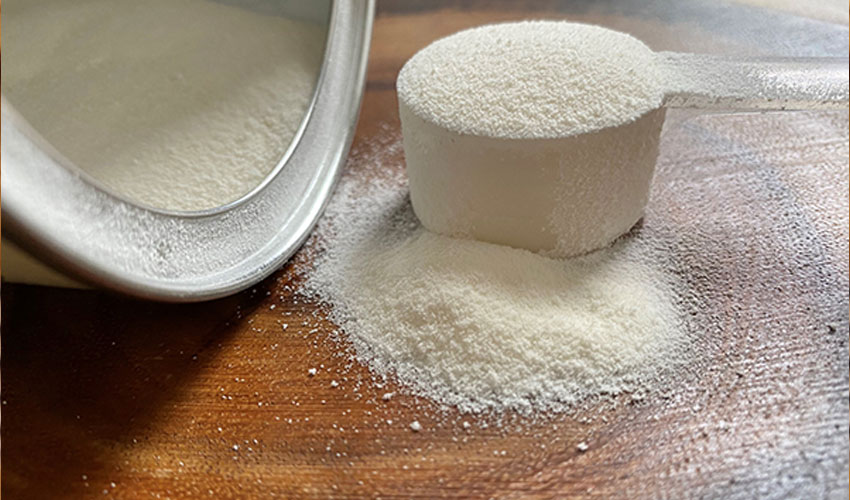
A recent comprehensive study has revealed that collagen supplements may offer more than just cosmetic improvements, challenging popular perceptions about their effectiveness.
Collagen is a naturally occurring protein in the human body that provides structure and strength to the skin, nails, bones, and connective tissues.
As people age, collagen production declines, leading to wrinkles, reduced skin elasticity, joint pain, and other age-related conditions. Supplements are marketed to counteract these effects, but scientific evidence has often been mixed—until now.
Key findings from study
Researchers from a British university reviewed 16 systematic reviews and 113 clinical trials, encompassing nearly 8,000 participants. Their findings revealed several significant benefits:
-
Skin Health: Long-term collagen supplementation was associated with improved skin elasticity and moisture, although it did not significantly affect skin roughness.
-
Joint Health: Consistent use helped reduce arthritis symptoms, including joint stiffness and pain.
-
Muscle Health: Collagen was linked to improvements in muscle mass and strength, particularly in older adults.
The study emphasizes that collagen supplements work not just superficially, but may also aid deep tissue repair.
Who can benefit most?
According to the researchers, collagen supplements may be particularly helpful for:
-
Postmenopausal individuals experiencing age-related skin changes.
-
People with sun-damaged skin.
-
Patients where conventional treatments for skin or joint issues are inappropriate or costly.
Doctors may consider collagen as an adjunct therapy to support skin, joint, and muscle health.
While collagen supplements are not a miracle cure, scientific evidence supports their role in improving skin hydration, elasticity, and joint function.
As always, it’s best to consult with a healthcare provider before starting any long-term supplementation, especially for specific conditions like arthritis or age-related skin changes.











.gif)