





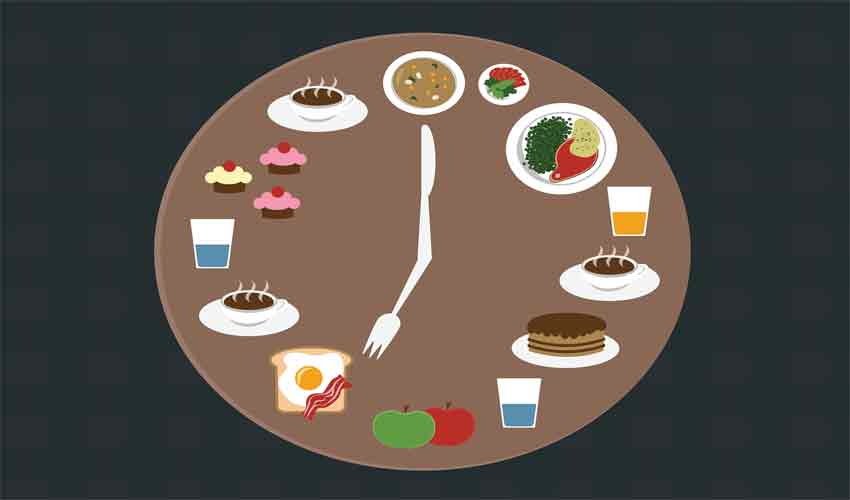
Meal timing has become one of nutrition’s most debated topics.
Some people advocate strict fasting windows, while others recommend eating small meals every few hours. Experts say the reality is more practical: timing can influence energy, performance, and hunger — but it is far less important than social media trends suggest.
For individuals aiming to improve body composition, athletic performance, or daily energy levels, meal timing can play a supportive role. Ignoring it entirely may lead to fatigue, increased hunger, or weaker workouts. However, focusing excessively on timing can distract from more important factors such as food quality and total calorie intake.
Research consistently shows that meal frequency alone does not significantly boost metabolism.
Nutrition science highlights several key priorities. Overall calorie intake remains the primary driver of weight loss or gain. Whether calories are consumed across two meals or six, the body responds mainly to the total amount consumed. Studies indicate that individuals eating identical calorie levels tend to experience similar weight changes regardless of meal schedule.
Protein distribution throughout the day is also important, particularly for muscle maintenance and growth. Spacing protein intake across meals helps support muscle protein synthesis, with athletes often benefiting from consuming 20 to 40 grams of protein every three to five hours.
Timing meals around exercise can enhance performance and recovery. Consuming carbohydrates before intense training supports energy output, while protein intake afterward aids muscle repair.
Biological rhythms also play a role. Research suggests that eating a larger portion of daily calories earlier in the day may improve blood sugar control and support daytime alertness. For some individuals, heavy late-night meals can interfere with sleep quality.
Experts emphasize that meal timing should be viewed as a practical tool rather than a strict rule. Aligning eating patterns with physical activity, work demands, and personal biology can complement an overall balanced diet and healthy lifestyle.