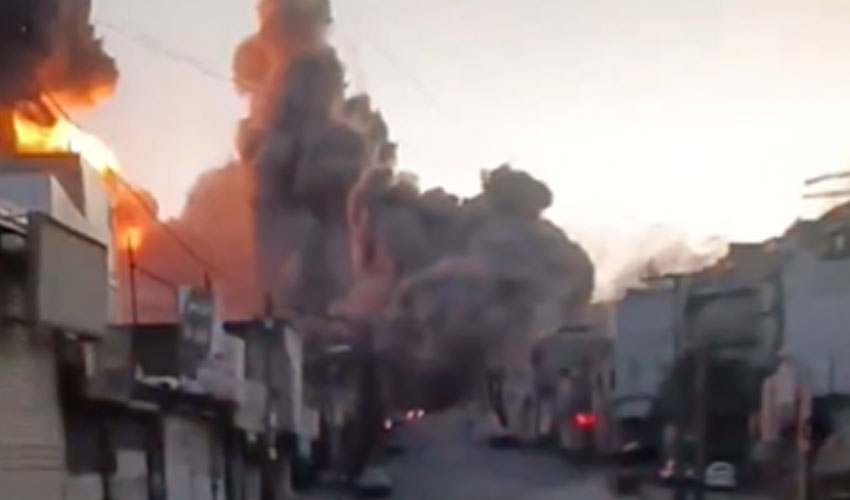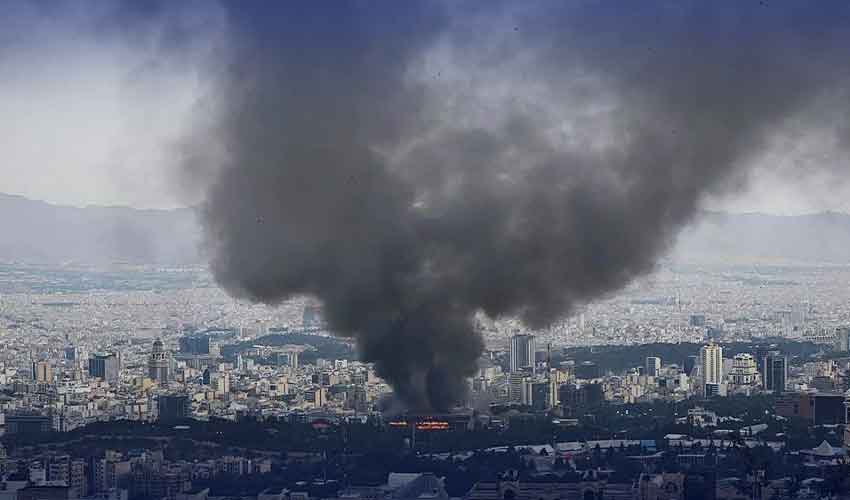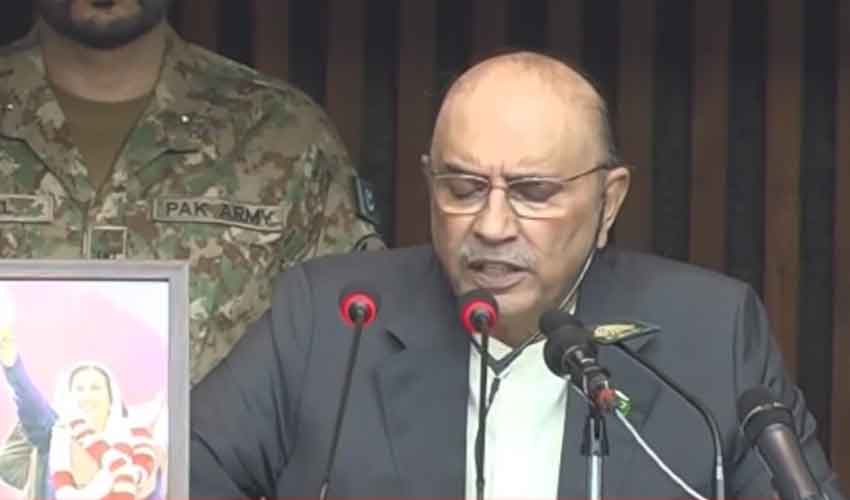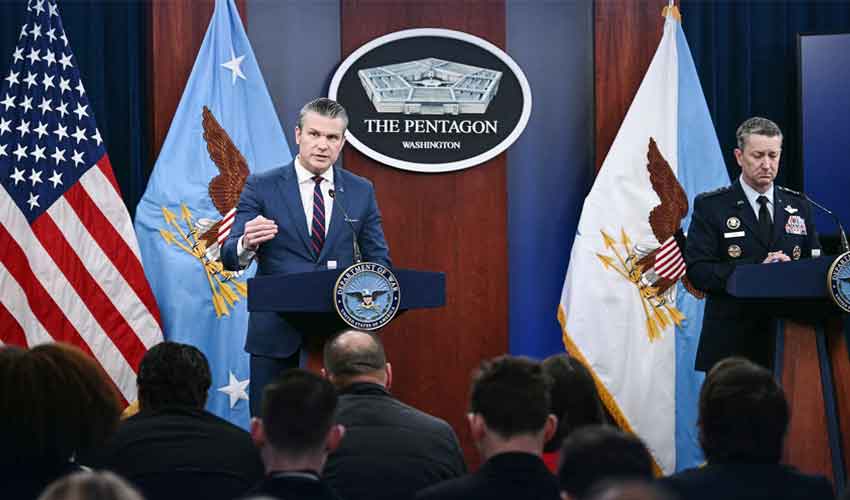





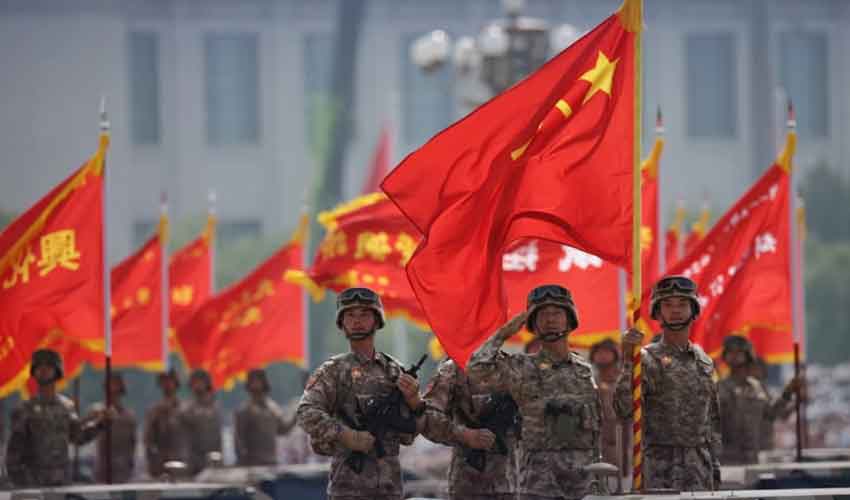
China has called for an immediate halt to military operations in Iran, warning that the war is spreading to other countries and threatening regional stability.
During a regular press briefing, China’s Foreign Ministry strongly criticized US and Israeli strikes, describing them as violations of international law and basic norms of international relations.
A spokesperson for the Ministry of Foreign Affairs of the People's Republic of China said Beijing is gravely concerned about the conflict expanding beyond Iran.
“We urge all parties to stop the military operations and prevent the further spread of war,” the spokesperson said, calling for an immediate return to dialogue.
China stressed it would continue to play a constructive role in promoting peace and preventing further escalation.
Wang Yi outlines China’s position
In recent phone calls with the foreign ministers of Russia, Iran, France, and Oman, Chinese Foreign Minister Wang Yi articulated Beijing’s stance and worked actively to promote de-escalation.
Wang Yi stated that it is unacceptable for the United States and Israel to launch attacks against Iran during ongoing US-Iran negotiations.
He added that blatantly attacking and killing a leader of a sovereign country and instigating regime change violates international law and the fundamental norms governing international relations.
China’s position, he said, rests on three key principles: immediately stop military operations; return to dialogue and negotiation as soon as possible; and jointly oppose unilateral actions.
Condemnation of civilian casualties
China said it is deeply saddened by the massive civilian casualties caused by US and Israeli strikes against Iran. The spokesperson described the indiscriminate use of force as unacceptable and stressed that the protection of civilians in armed conflict is a red line that must not be crossed.
Beijing called on all parties to fulfill their obligations under international law, ensure the safety of civilians, and avoid attacks on civilian facilities.
No UN authorisation for strikes
China pointed out that the US-Israeli strikes against Iran have no authorization from the United Nations Security Council and therefore violate international law.
It expressed serious concern over regional spillover, emphasizing that the sovereignty, security, and territorial integrity of Gulf states must be fully respected.
Beijing warned that major countries should not use their military advantages to arbitrarily attack others and that the world must not return to “the law of the jungle.”
Any move that violates international law, China said, should be resisted by the international community, and basic norms of international relations must be upheld.
Support for Iran’s sovereignty
China reaffirmed that it supports Iran in defending its sovereignty, security, territorial integrity, national dignity, and lawful rights and interests.
Beijing also respects Iran’s legitimate right to peaceful use of nuclear energy and believes the Iranian nuclear issue must ultimately be resolved at the negotiating table.
China noted that Iran has repeatedly stated it does not intend to develop nuclear weapons and has recently engaged in serious negotiations with the United States.
The spokesperson stressed that the issue must return to the track of political and diplomatic solutions and that the international nuclear non-proliferation regime should be upheld.
China confirmed that from the time the security situation in Iran deteriorated until March 2, over 3,000 Chinese citizens were evacuated from Iran.
Working groups from Chinese diplomatic missions in neighboring countries are continuing operations at border ports to receive and assist evacuated nationals.
Beijing said it has not received any further information about additional Chinese citizens affected by the conflict.
China pledges constructive role
China reiterated that it stands ready to work with regional countries and the international community to promote peace and stability.
It vowed to stand firm for justice on platforms such as the UN Security Council and continue efforts to stop the conflict and prevent further escalation in the Middle East and beyond.



.jpg)