




Global energy prices jumped sharply on Tuesday, triggering steep losses in stock markets and boosting the US dollar, as investors grappled with rising inflation risks and diminishing prospects of interest rate cuts.
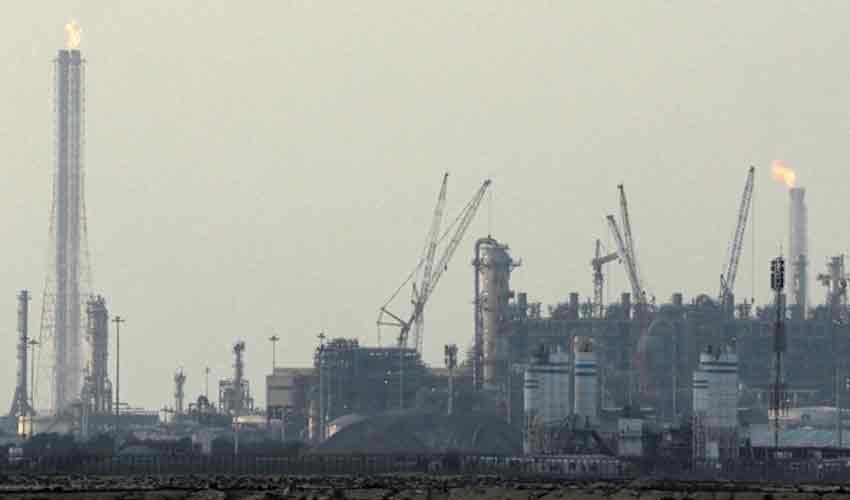
Brent North Sea crude, the international oil benchmark, climbed around nine percent to surpass $85 a barrel for the first time since July 2024. European natural gas prices also soared for a second consecutive session, as the escalating conflict in the Middle East disrupted key export routes.
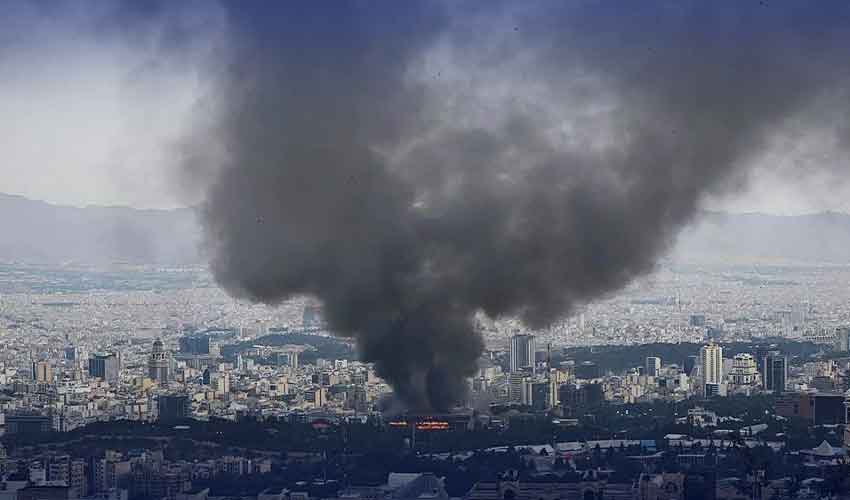
The recent US and Israeli strikes on Iran — followed by Iranian retaliation across the region — have severely impacted regional energy flows. The Strait of Hormuz, a vital shipping lane through which roughly one-fifth of the world’s oil supply passes, has effectively been shut down, intensifying fears of supply shortages.
The surge in energy costs has raised concerns about a renewed global energy crisis, potentially driving inflation higher at a time when central banks are attempting to ease monetary policy.
Patrick O’Hare, an analyst at Briefing.com, said rising energy prices are pushing back expectations of rate cuts in some regions while increasing the possibility of rate hikes elsewhere. He added that higher operating costs and weaker consumer spending could weigh on corporate earnings.
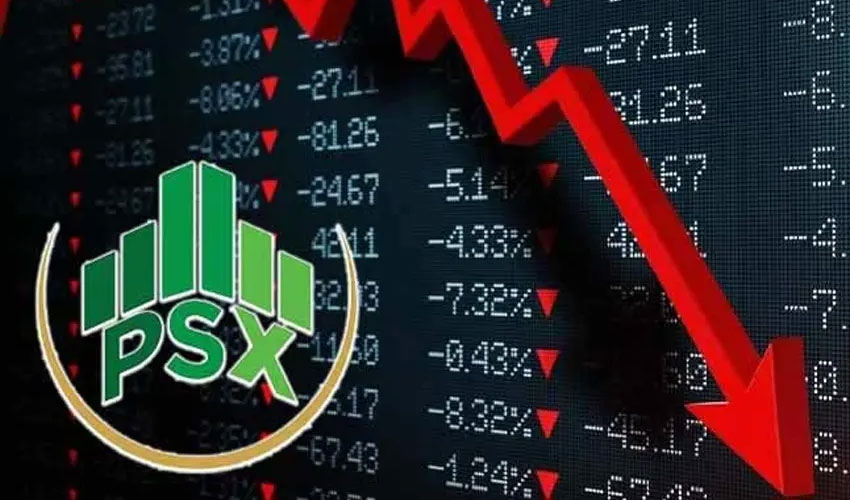
On Wall Street, major indices opened sharply lower, with the Nasdaq Composite falling around two percent. European markets suffered even steeper declines, with key indices dropping three percent or more.
Joshua Mahony, chief market analyst at Scope Markets, said European equities were under particular pressure as investors assessed the full inflationary impact of the conflict. Fresh data showing an unexpected rise in eurozone core inflation further dampened sentiment.
Fawad Razaqzada, an analyst at Forex.com, noted that persistent inflation concerns have reduced the likelihood of interest rate cuts in the eurozone, contributing to broad market sell-offs. Even gold, typically seen as a safe-haven asset, struggled to attract buyers.
European Central Bank chief economist Philip Lane warned in an interview that a prolonged Middle East conflict and sustained energy supply disruptions could trigger a spike in eurozone inflation and weigh on economic growth.
Escalating Threat to Energy Supplies
Fresh strikes were reported across the Middle East on Tuesday, including Israeli bombardment in Lebanon and a drone attack targeting the US embassy in Riyadh, Saudi Arabia’s capital.
The conflict began over the weekend with US and Israeli strikes on Iran, prompting retaliatory missile and drone attacks by Tehran across the region, including toward Saudi Arabia, Qatar and Dubai. Iranian officials have also warned of actions that could further disrupt global energy markets.
A senior commander in Iran’s Revolutionary Guards threatened to block or target vessels navigating the Strait of Hormuz, heightening concerns about the security of global oil shipments.
European natural gas markets reacted sharply. The Dutch TTF contract, the regional benchmark, surged more than 40 percent to exceed 60 euros — its highest level since January 2023, when prices spiked in the aftermath of the Ukraine war. On Monday, prices had already jumped 50 percent after Qatar’s state energy firm halted liquefied natural gas production following reported strikes.
Central Banks Face Stagflation Risk
The surge in energy costs presents a difficult challenge for policymakers seeking to tame inflation while supporting slowing economies.
Rodrigo Catril of National Australia Bank said an extended energy shock could lead to stagflation — a combination of high inflation and weak growth — leaving central banks in an uncomfortable position.
Meanwhile, the US dollar strengthened further, as investors sought safer assets amid market turbulence.
Asian stock markets extended Monday’s heavy losses. South Korea’s benchmark index plunged more than seven percent after markets reopened following a long weekend. Tokyo dropped more than three percent, while Hong Kong, Shanghai, Sydney, Wellington, Taipei and Jakarta also recorded significant declines.
With tensions showing little sign of easing, investors remain on edge as the conflict’s economic consequences ripple through global markets.



.jpg)