






Saudi Crown Prince Mohammed bin Salman and UAE President Mohamed bin Zayed Al Nahyan have condemned ongoing Iranian attacks on Gulf states, calling them a dangerous escalation that threatens regional security.
The two leaders vowed to defend their territories and preserve stability as tensions across the Middle East continue to rise.
According to the Saudi Press Agency, Saudi Crown Prince Mohammed bin Salman, who also serves as prime minister of the kingdom, held a telephone conversation on Monday with UAE President Mohamed bin Zayed Al Nahyan.
During the call, the two leaders discussed regional developments amid escalating military actions and the risks these developments pose to both regional and global security and stability.
Both sides condemned the continued Iranian attacks targeting Gulf countries, describing them as a serious escalation.
Leaders condemn attacks on Gulf states
The Saudi crown prince and UAE president described the strikes as “continued and blatant” Iranian attacks against countries in the region. They said the attacks represent a violation of the sovereign rights of Gulf states and breach international norms.
The leaders warned that the escalation threatens security and stability not only in the Middle East but beyond the region.
GCC countries vow to defend territories
During the call, the two leaders reaffirmed that Gulf Cooperation Council (GCC) countries would spare no effort to defend their territories. They also stressed that regional states would mobilize all available capabilities to preserve stability and security.
At the same time, both sides emphasized the importance of immediately halting military escalation. They also highlighted the need to prioritize serious dialogue and diplomatic solutions to address regional issues while maintaining peace.
Iran ambassador denies responsibility for attacks
The call came as Iran’s ambassador to Saudi Arabia, Alireza Enayati, attempted to shift blame away from Tehran.
In a post on X (formerly Twitter), Enayati claimed that “the enemy” — referring to the United States and Israel — was deploying drones disguised as Iranian-made Shahed drones under the name “Lucas drone.”
The ambassador insisted that Iran was only targeting US and Israeli interests in the region, denying Tehran’s involvement in attacks against Gulf states.
Enayati’s claims were met with widespread skepticism.
Critics pointed out that Iran’s military leadership had openly threatened Gulf countries, while attacks aimed at US military assets could still endanger nearby civilian areas.
They also noted that the presence of drones and missiles in populated regions makes it difficult to prevent damage to civilian infrastructure.
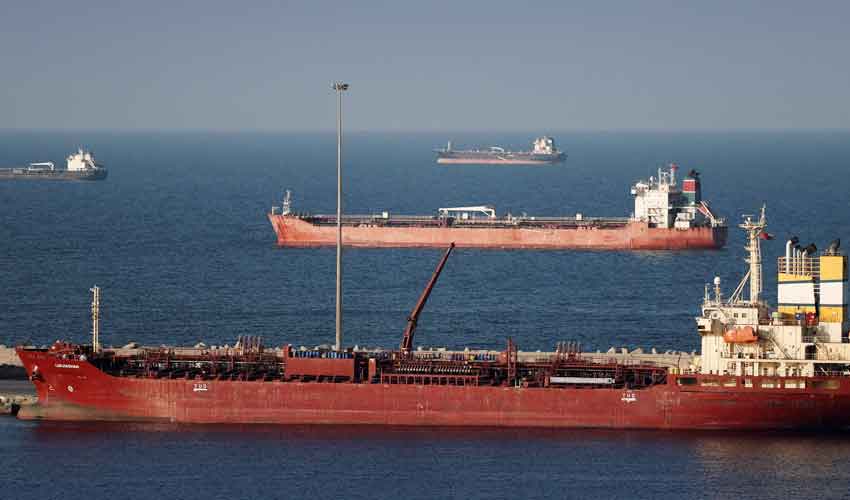
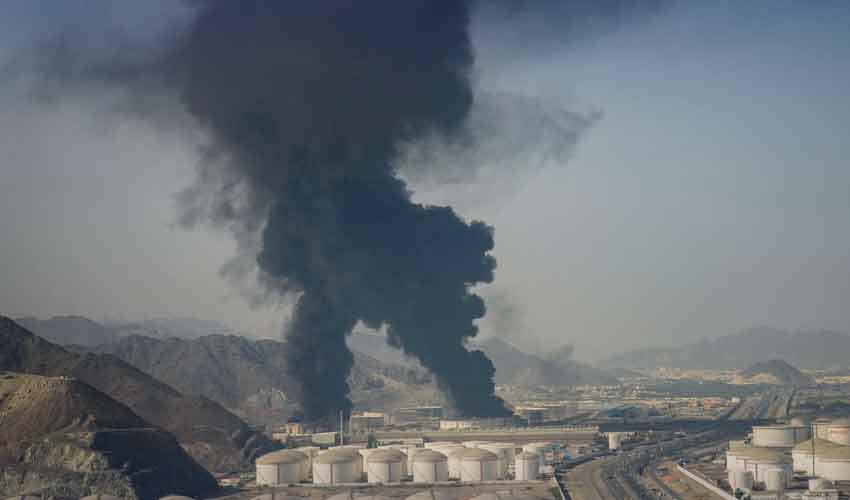
Regional authorities say thousands of Iranian missiles and drones have been launched toward Gulf countries since the conflict began in late February. These strikes have reportedly hit airports, ports, energy facilities and civilian areas across several countries in the region.
The attacks have intensified fears of a broader regional conflict and disruption to key economic infrastructure.
UN Security Council condemns Iranian strikes
Amid the escalating tensions, the United Nations Security Council last week adopted a resolution condemning Iran’s attacks. The resolution was supported by 13 of the 15 council members and co-sponsored by 135 countries.
It called for an immediate halt to hostilities and urged all parties to work toward restoring stability in the region.








.jpg)