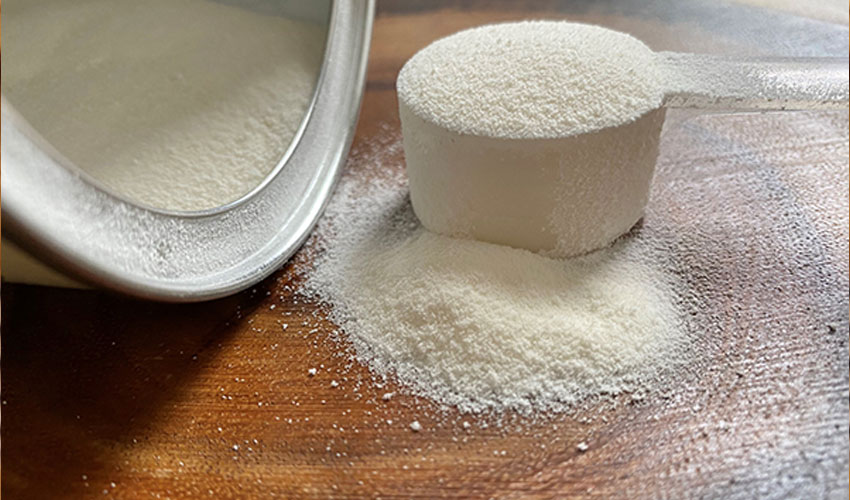






Sugar is more than just a sweet indulgence — it’s a hidden ingredient in many of our daily foods, from ketchup and bread to packaged juices and even “diet” products.
Deciding to limit or cut out sugar is certainly a healthy move, but thinking it’s an easy step would be misleading.
Sugar activates the brain’s “reward system,” giving us feelings of satisfaction and happiness. When you suddenly cut it out, your body feels the gap, often causing symptoms like irritability, fatigue, headaches, and mood swings. Thankfully, these usually ease within a few days to a week.
Natural sources of sugar — like fruits, vegetables, and milk — are nutrient-rich and provide the body with essential energy. In contrast, refined or added sugars bring nothing but empty calories, contributing to weight gain, diabetes, and skin issues. Excess sugar consumption accelerates a process called “glycation,” which can lead to wrinkles and reduced skin elasticity.
Many foods we consider “low-fat” or “healthy” are loaded with sugar. Manufacturers disguise sugar under different names like sucrose, high-fructose corn syrup, dextrose, or maltodextrin, which can significantly raise your daily calorie intake.
Too much sugar can disrupt the balance of good bacteria in the gut, leading to digestive problems, inflammation, and a weakened immune system. Cutting back on sugar helps restore this natural balance, boosting your digestive and immune health.
Interestingly, after quitting sugar, your taste buds start to recover. Natural sweetness from fruits becomes more enjoyable, and your cravings for artificial sweetness decrease over time. This shift can pave the way to healthier eating habits in the long run.
Quitting sugar may feel daunting, but its rewards are countless — from glowing skin and balanced energy to a stronger immune system and better digestion.