




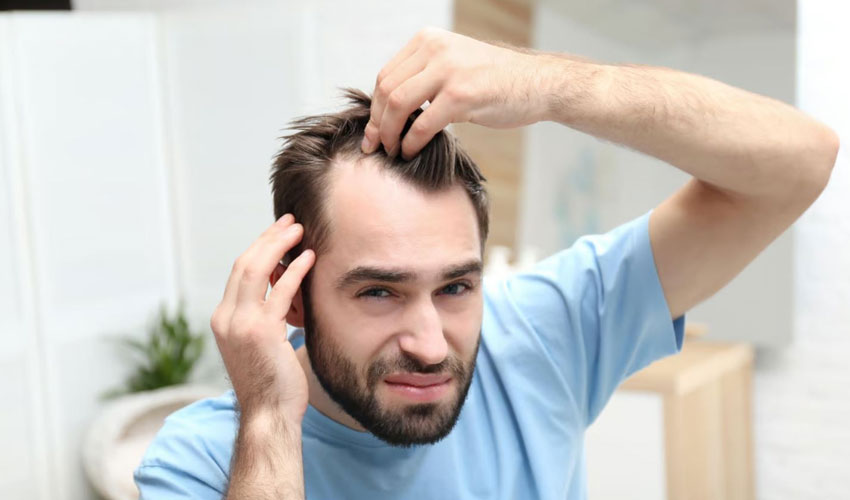
Persistent hair fall can be frustrating, especially when expensive oils, shampoos and serums fail to deliver results.
Health experts say the real trigger may lie not in your bathroom cabinet, but on your plate. Certain commonly consumed foods can silently weaken hair over time.
Hair loss is often treated as an external problem, leading many people to rely on premium hair care products. However, continuous hair fall may be linked to internal factors such as inflammation, hormonal imbalance and nutritional deficiencies caused by daily diet choices.
Experts note that some foods appear harmless initially but gradually damage hair follicles, leading to thinning and increased shedding.
Refined carbohydrates can weaken hair
Refined carbohydrates like white bread, biscuits, pastries, sweets and sugary snacks are among the major contributors to hair weakness. These foods lack essential nutrients and can trigger inflammation in the body.
Over time, such inflammation may affect hair roots, making strands fragile and more prone to falling out.
Over-fried foods and hidden fats
Over-fried foods are typically high in trans fats, omega-6 fats and salt, while being nutritionally poor. Regular consumption of such foods has been linked to overall poor health and may also accelerate hair loss.
These items can disrupt the body’s balance and reduce the supply of nutrients needed for healthy hair growth.
Certain fish may harm hair health
While fish is often considered healthy, certain types of tuna can be harmful to hair. A 2019 study highlighted that shark, swordfish, king mackerel and some tuna varieties may negatively impact hair health.
These fish may contribute to internal imbalances that affect hair strength and retention.
Red meat and its impact on hair
Red meat, already associated with an increased risk of colon cancer, has also been linked to negative effects on hair. A 2010 study summarized that excessive consumption may contribute to conditions that weaken hair over time.
Sugary drinks are not only harmful to digestion but also pose risks to overall health. Experts warn that regular intake can worsen nutritional deficiencies and indirectly contribute to hair loss.
Avoiding such beverages may help reduce the internal stress that impacts hair follicles.