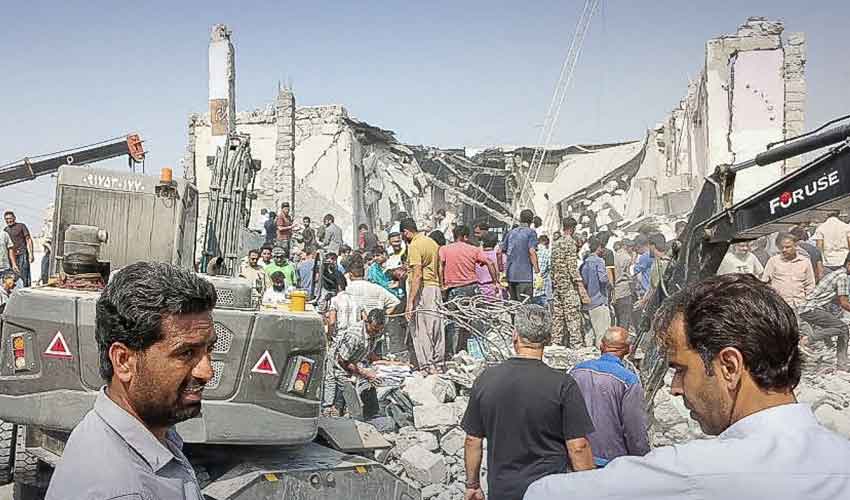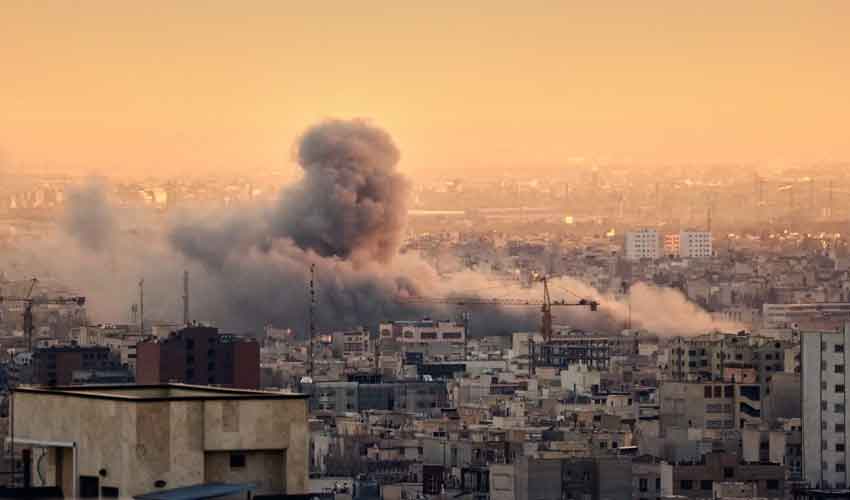






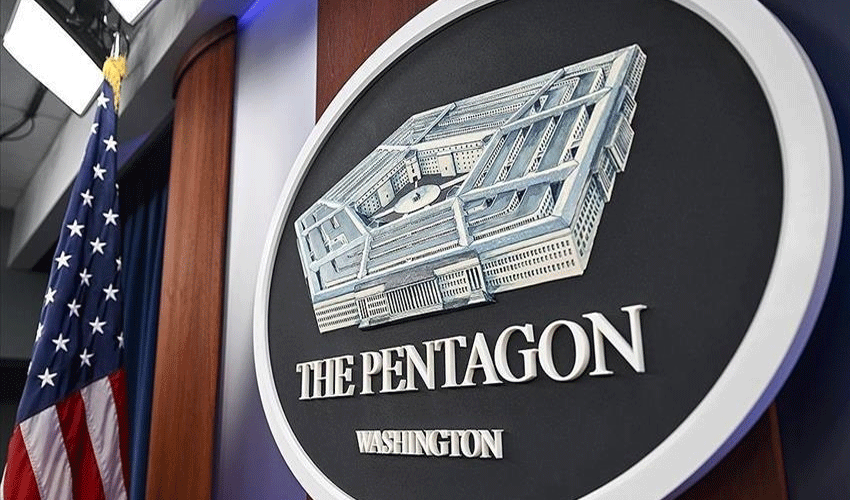
The Pentagon has estimated that the first six days of the ongoing conflict with Iran have cost more than $11.3 billion, according to U.S. media reports.
Lawmakers were briefed on the figure in a closed-door session, though analysts warn the true cost is likely much higher.
Pentagon officials provided the cost estimate to Congress on Tuesday, as reported by The New York Times and NBC News, citing unnamed sources.
The $11.3 billion figure covers initial combat operations but excludes other significant expenditures, such as the pre-conflict buildup of troops, military hardware, and logistics. Experts say the total economic burden of the war is expected to rise sharply as operations continue.
Trump declares victory
Despite the high costs, President Donald Trump has publicly claimed that the U.S. has “won” the initial phase of the conflict. Speaking to reporters on Wednesday, he stated:
“You never like to say too early you won. We won. In the first hour it was over.”
Trump also emphasized ongoing vigilance, asserting that U.S. forces will remain in the region:
“We’re just riding free range over that country, and now we’re going to look very strongly at the straits. The straits are in great shape.”
He claimed that 58 Iranian naval ships had been destroyed during the early stages of the campaign, highlighting Washington’s military dominance in the Gulf.
Strategic and economic implications
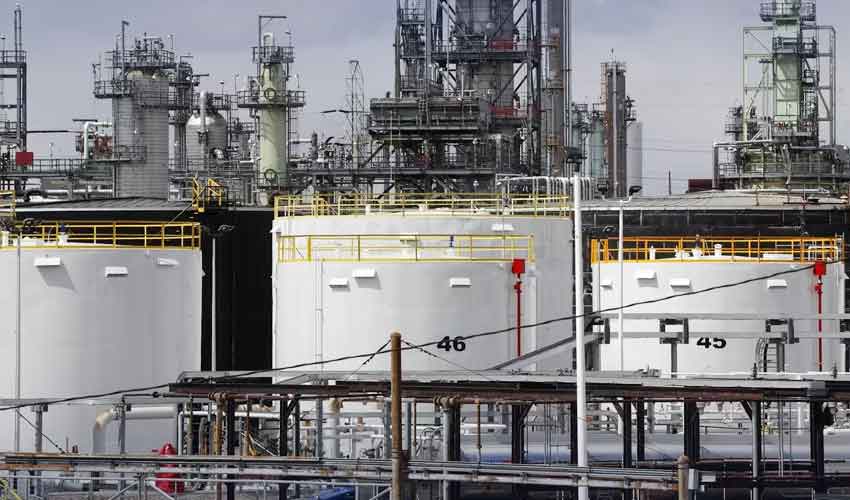
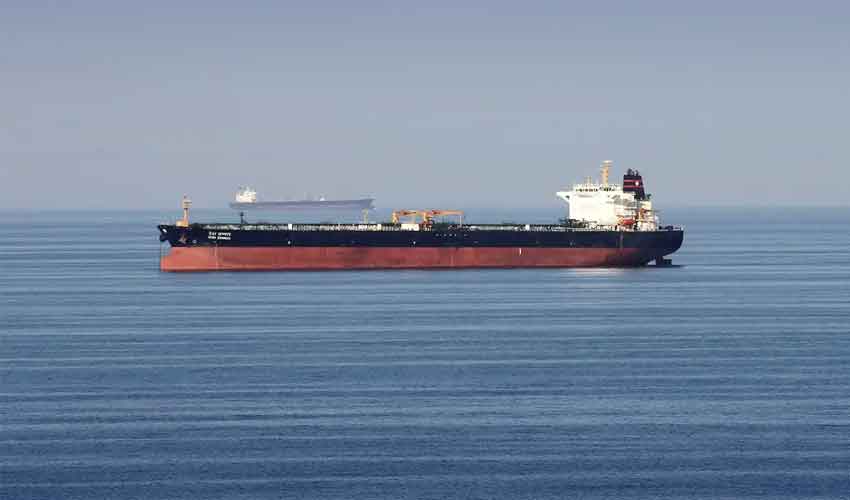
The Pentagon’s spending underscores the scale of U.S. operations in the Gulf, with costs expected to rise as the conflict continues. Meanwhile, Iran’s Islamic Revolutionary Guard Corps (IRGC) has threatened to block oil shipments from the Gulf unless U.S. and Israeli attacks cease, raising stakes for global energy markets.
Global markets remain volatile, with oil prices surging amid fears of prolonged disruptions to critical shipping lanes such as the Strait of Hormuz. Analysts warn that sustained military operations could compound economic strain and increase U.S. budgetary pressures.