





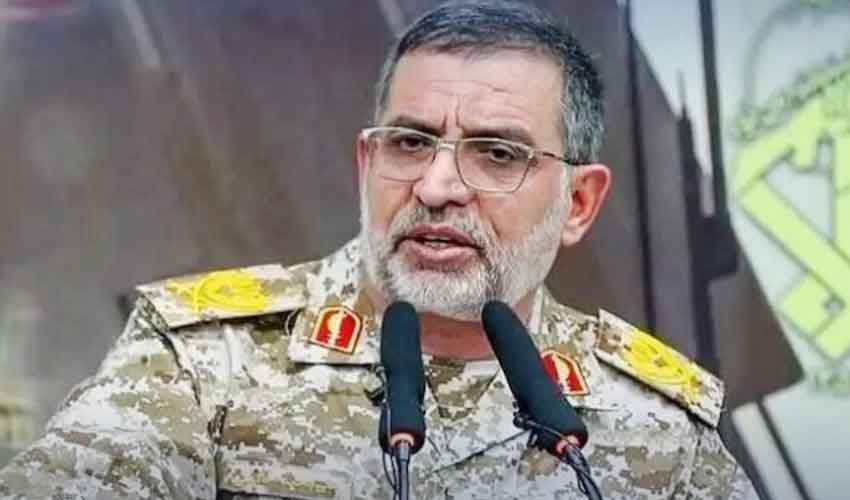
Iran’s Islamic Revolutionary Guard Corps (IRGC) spokesperson Ali Mohammad Naini has been killed in US-Israeli strikes, Iranian state media confirmed on Friday.
His death marks a significant development in the intensifying conflict in the Middle East.
A spokesperson for the IRGC and its deputy of public relations, Ali Mohammad Naini, was killed in aerial strikes carried out by the United States and Israel, according to Iranian state television.
The IRGC confirmed the development in an official statement reported by IRNA on Telegram, while multiple Iranian outlets, including Tasnim and Mehr News Agency, said he was “martyred” in the attack.
The IRGC described the incident as a “criminal cowardly terrorist attack by the American-Zionist side” that took place at dawn.
Long-serving military figure
Naini had served in the IRGC for around four decades and had been acting as its spokesperson since 2024, according to IRGC-affiliated Fars news agency.
He was a key public voice for the military organization and frequently addressed developments related to Iran’s defense capabilities.
Naini was quoted earlier on Friday dismissing claims by Israeli Prime Minister Benjamin Netanyahu that Iran’s missile production capability had been rendered inoperable.
Also Read: Israel launches new wave of attacks on Iran as crisis deepens
Before his death, he maintained that Iran still had the ability to build missiles despite ongoing attacks.
He also signaled that the war would continue, stating that Iranians expected the conflict to go on “until the enemy is completely exhausted,” and that it should only end when “the shadow of war is lifted from the country.”
Conflict intensifies
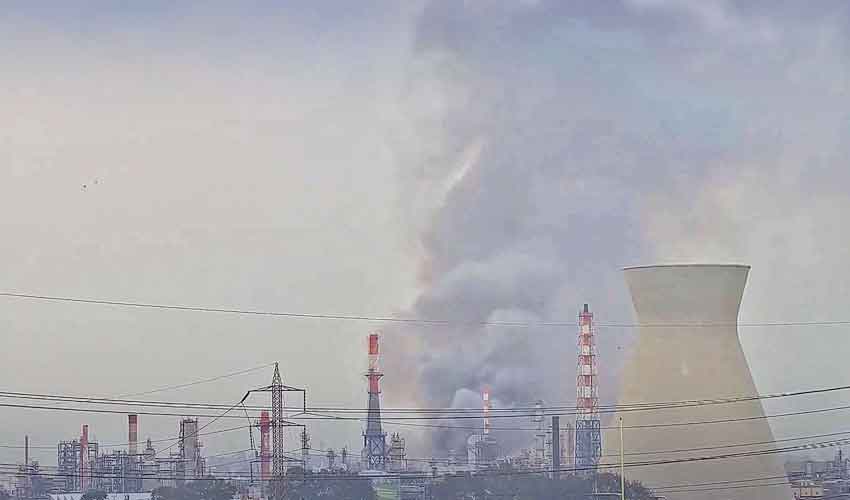
The killing comes amid a broader escalation in the region since the United States and Israel launched joint attacks on Iran on February 28.
According to reports, the conflict has resulted in the deaths of around 1,300 people, including Iran’s then-Supreme Leader Ali Khamenei.
Israel has not yet commented on the reported killing of Naini.
In response to the ongoing military campaign, Iran has launched drone and missile strikes targeting Israel, Jordan, Iraq, and Gulf countries hosting US military assets.
Also Read: Joint statement: Global powers vow to secure Hormuz Strait
The conflict has also had major global implications, with Iran effectively closing the Strait of Hormuz to most shipping. This key route typically handles around 20 million barrels of oil per day and about 20% of the world’s liquefied natural gas trade.
The killing of a senior IRGC figure underscores the deepening intensity of the conflict and its widening regional impact. With both sides continuing military operations, the situation remains volatile, raising concerns about further escalation and global economic fallout.