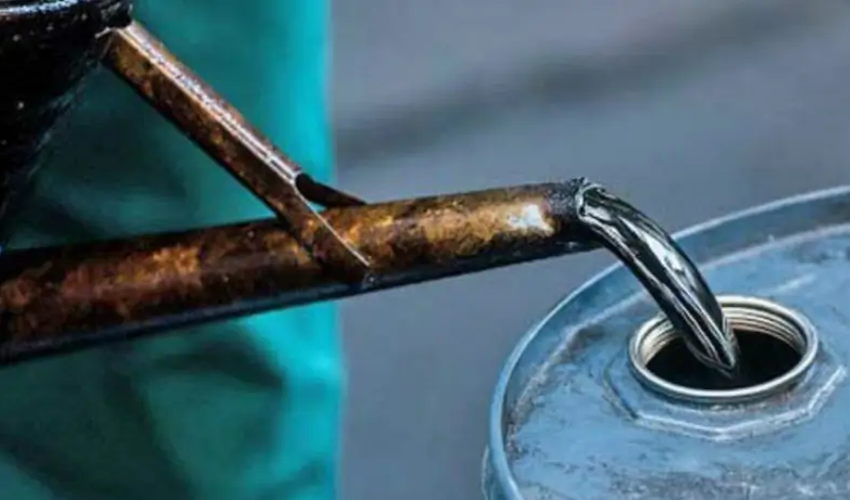





Sri Lanka has announced another sharp increase in fuel prices, marking the second hike within two weeks as global oil markets react to escalating tensions in the Middle East.
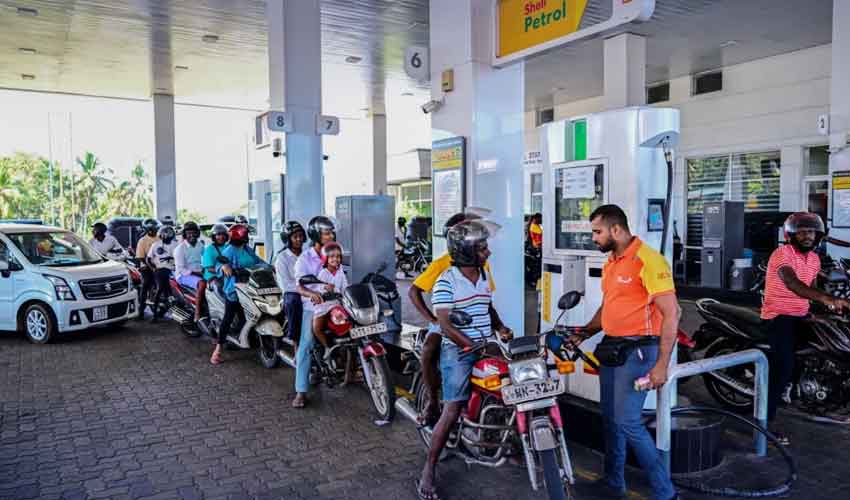
Sri Lankan authorities confirmed that petrol prices have been increased by Rs81 in the local currency, bringing the new rate to Rs398 per litre, up from Rs317. The new change is approximately equal to 356.34 Pakistani rupees.
Diesel prices have also risen significantly by Rs79, reaching Rs382 per litre. Diesel is widely used in public transport, making the hike particularly impactful. This price is almost equal to 342.02 Pakistani rupees.
Overall, the latest revision reflects a roughly 25% increase in fuel prices.
This marks the second increase in petroleum product prices within a fortnight. Just last week, the government had already implemented an 8% hike in retail fuel prices and introduced rationing measures to limit consumption.
The repeated increases highlight the mounting pressure on Sri Lanka’s energy sector.
Middle East tensions
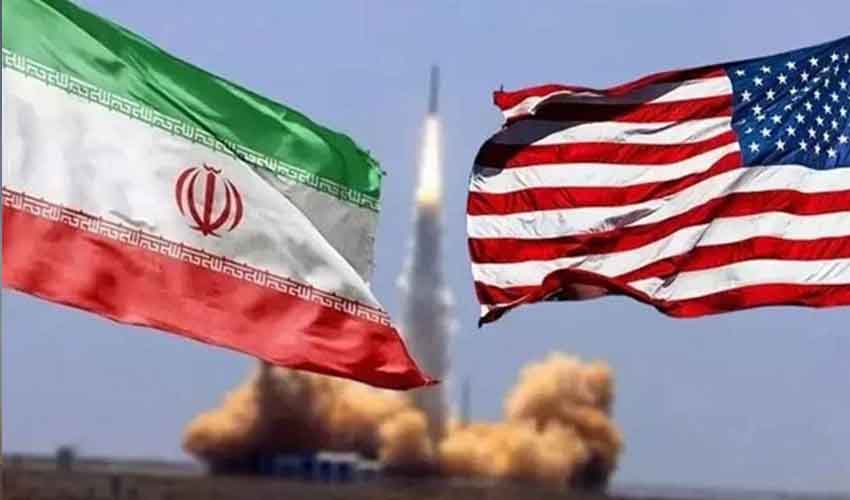
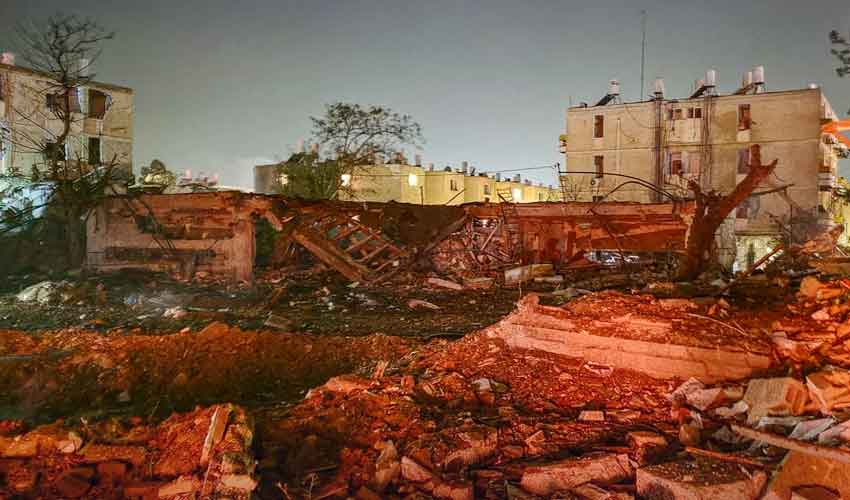
Officials said the latest price hike is directly linked to instability in global oil supply due to ongoing tensions in the Middle East.
The Strait of Hormuz, a key route for nearly 20% of global oil and liquefied natural gas, has been effectively disrupted amid the conflict.
Sri Lanka’s heavy reliance on imported fuel has made it particularly vulnerable to these global shocks.
According to an official from the state-owned Ceylon Petroleum Corporation, the increase is expected to reduce fuel consumption by 15% to 20%.
However, in practical terms, the higher prices are likely to increase household expenses and add to the economic burden on citizens.
Rising costs expected
The fuel price hike is expected to trigger a broader increase in the cost of living. Higher transportation costs are likely to push up prices of goods and services across markets, further straining the public.
President Anura Kumara Dissanayake warned that energy supplies could be affected if tensions in the Middle East continue to escalate.
He urged the country to prepare for a prolonged crisis and introduced measures such as a four-day work week and encouraging work-from-home arrangements.
Sri Lanka imports all of its oil and relies on refined petroleum products from countries such as Singapore, Malaysia, and South Korea. Crude oil for its Iran-built refinery is sourced from the Middle East, making the country highly exposed to regional instability.
Economic recovery under threat
The government warned that the ongoing conflict could undermine Sri Lanka’s fragile recovery from its 2022 economic crisis.
The country had defaulted on $46 billion in foreign debt after running out of foreign exchange and later secured a $2.9 billion bailout from the International Monetary Fund (IMF).
With global oil markets under pressure and supply chains disrupted, Sri Lanka faces growing uncertainty in managing its energy needs. The latest fuel price hike underscores the broader economic risks posed by geopolitical instability.
.jpg)