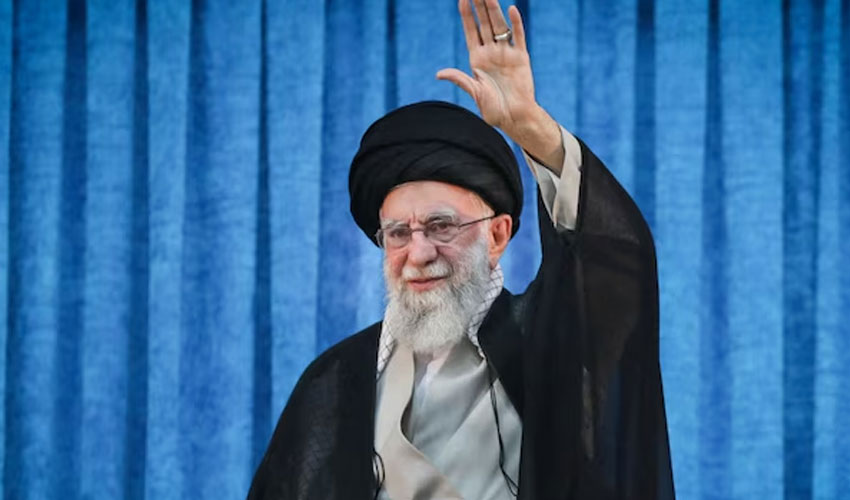





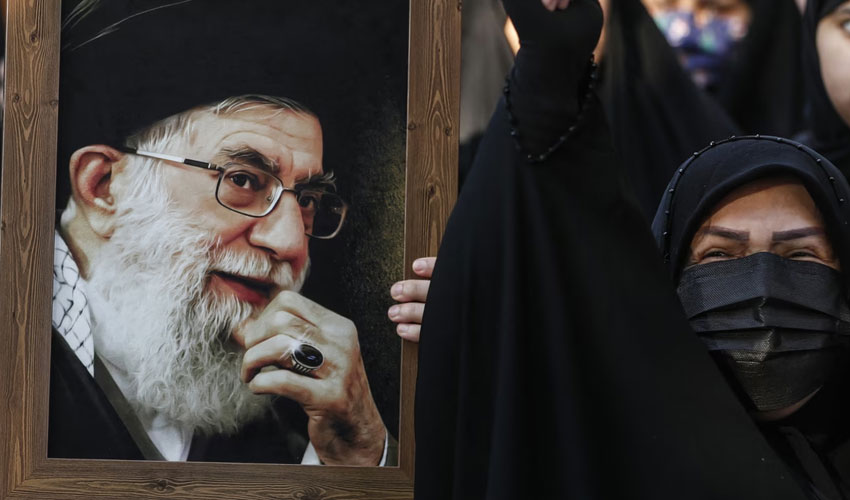
Following the killing of Iran’s Supreme Leader Ayatollah Ali Khamenei, senior U.S. officials remain skeptical that military operations by the U.S. and Israel will lead to an immediate regime change.
While President Donald Trump called on Iranians to seize the moment and reclaim their nation, intelligence assessments indicate that Iran’s entrenched theocratic system is far from vulnerable.
On Sunday, Trump posted a video on Truth Social urging “all Iranian patriots who yearn for freedom to take back your country.”
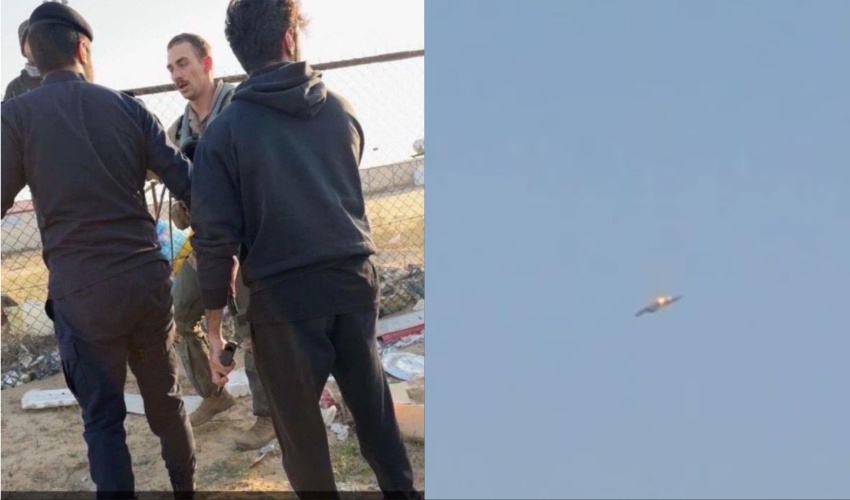
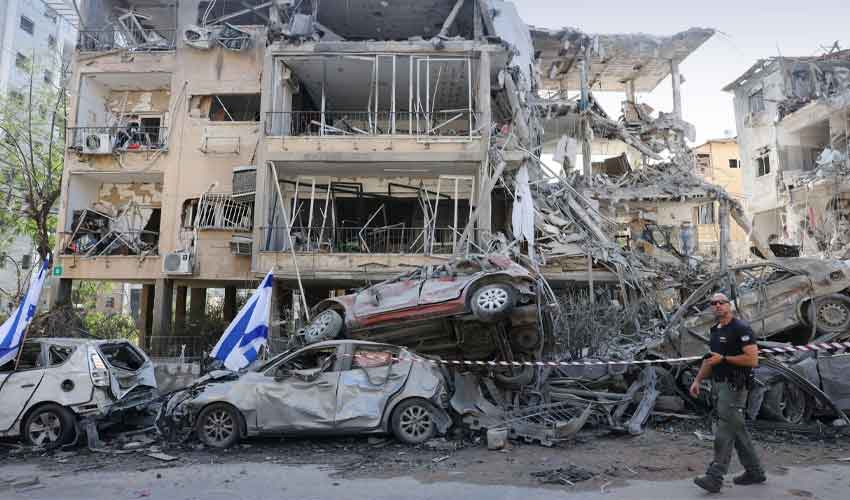
The message came amid ongoing U.S. and Israeli strikes targeting Iran’s missile and nuclear infrastructure, signaling a broader ambition to weaken the country’s military capabilities.
Intelligence doubts on regime collapse
Multiple U.S. officials familiar with intelligence assessments say that toppling Iran’s government in the near term is unlikely.
-
The opposition inside Iran remains weak, with no recent defections from the Islamic Revolutionary Guard Corps (IRGC), which is crucial for any successful uprising.
-
CIA reports had warned that Khamenei could be replaced by equally hard-line figures from the IRGC or conservative clerics, maintaining continuity in leadership.
One official noted that IRGC officials are unlikely to voluntarily capitulate due to the robust internal loyalty networks supporting the regime.
Debates over nuclear talks
U.S. intelligence discussions have also focused on the implications of Khamenei’s death for Iran’s nuclear stance.
-
There is no consensus on whether new leadership would take a softer approach in negotiations with the U.S.
-
Officials remain uncertain if the regime would pause or accelerate rebuilding missile or nuclear capabilities once strikes subside.
Temporary leadership in Iran
Iranian President Masoud Pezeshkian has assumed temporary duties alongside the judiciary head and a Guardian Council member.
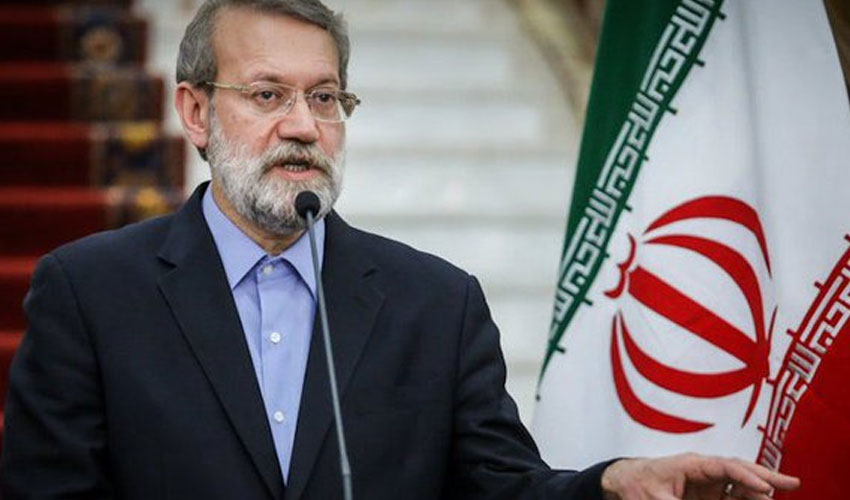
Security chief Ali Larijani warned against foreign interference and threatened harsh responses to secessionist actions, highlighting Tehran’s intent to maintain control amid the crisis.
Trump’s special envoy had engaged with Iranian opposition figure Reza Pahlavi in recent months, raising questions about potential U.S.-backed succession.
However, senior officials now believe that even a Washington-backed figure would face enormous challenges in gaining effective control, as success depends on local rank-and-file support.