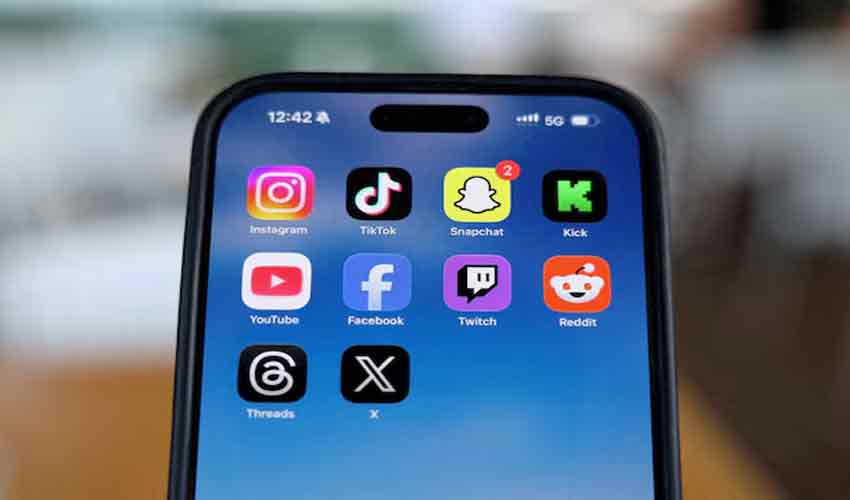







Australia’s plan to limit teenagers’ access to social media is facing challenges, as many young users continue to find ways to stay active on popular platforms like TikTok and Snapchat.
The Australian government recently introduced stricter rules aimed at protecting teenagers from the potential harms of excessive social media use, including cyberbullying, harmful content, and negative impacts on mental health. The proposal includes stronger age-verification measures and tighter oversight of how platforms allow minors to create and maintain accounts.
However, early indications suggest that enforcing the restrictions may be difficult. Many teenagers are still accessing social media by using alternative accounts, incorrect birth dates, or accounts created with the help of older friends and family members. These workarounds make it challenging for authorities and technology companies to ensure that underage users are fully blocked from the platforms.
Digital experts say the issue highlights a broader global problem: while governments are increasingly concerned about the effects of social media on young people, technical enforcement often lags behind policy. Social media companies rely largely on self-reported age information, which can easily be manipulated.
Parents and educators in Australia remain divided on the approach. Some support stricter regulations, arguing that limiting social media exposure could help reduce online harassment and screen addiction. Others believe that bans alone will not solve the issue and that digital literacy and parental guidance are more effective long-term solutions.
The debate continues as policymakers consider how to balance protecting teenagers online while acknowledging the realities of how young people interact with digital platforms in everyday life.