





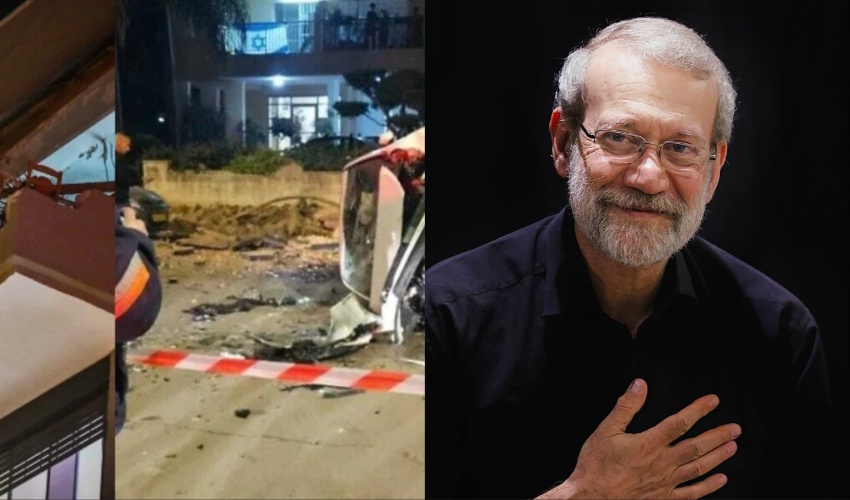
Iran launched a major missile attack on Tel Aviv using cluster warheads, targeting Israel in retaliation for the assassination of Iranian security chief Ali Larijani.
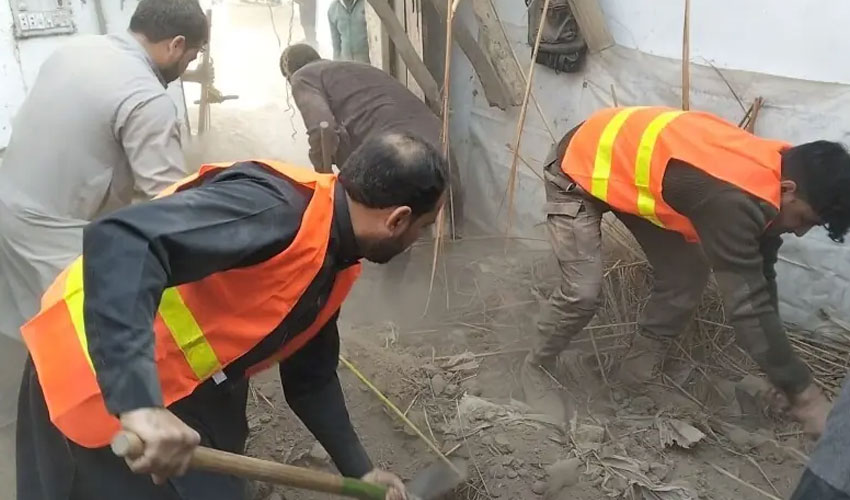
The strikes killed two people, destroyed vehicles, and caused widespread damage, further raising fears of regional escalation.
Following the assassination of Ali Larijani, secretary of Iran’s National Security Council, the Iranian Revolutionary Guard Corps (IRGC) declared Operation Sadeq 4.
The IRGC stated that missiles, including Khorramshahr 4, Qadr, Emad, and Khybershakan, were fired at Tel Aviv, striking over 100 military and security targets.
Iranian state media confirmed that cluster munitions were used, destroying several vehicles and causing fires and building damage in the city.
Larijani’s son, Morteza, and deputy Alireza Bayat were also reportedly killed in the attack that preceded Iran’s retaliation.
Regional and global impact
The Iranian attacks have triggered sirens across Tel Aviv and Jerusalem.
Iran also expanded its offensive to the Gulf, carrying out drone strikes in the United Arab Emirates and targeting the US diplomatic compound near Baghdad Airport.
These actions have heightened the risk of war spreading throughout the Middle East, affecting key shipping routes like the Strait of Hormuz.
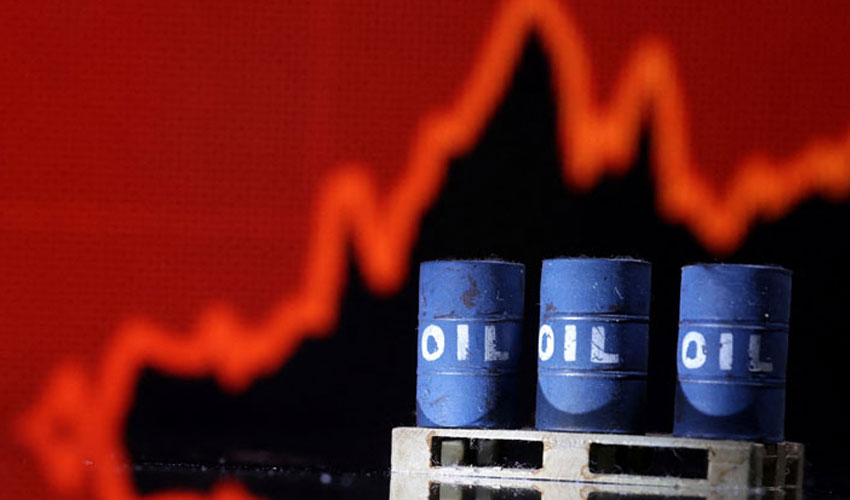
Oil prices surged about 3% following the strikes, with prices up around 45% since the conflict began in late February, stoking fears of global inflation.
Iran’s position and justification
Iranian leaders, including President Masoud Peshkeshian, have described Larijani as a “prominent and valuable figure” and vowed to avenge his death.
Iran’s Supreme National Security Council emphasized that Larijani’s blood symbolizes national honor and morale against Israel and the United States.
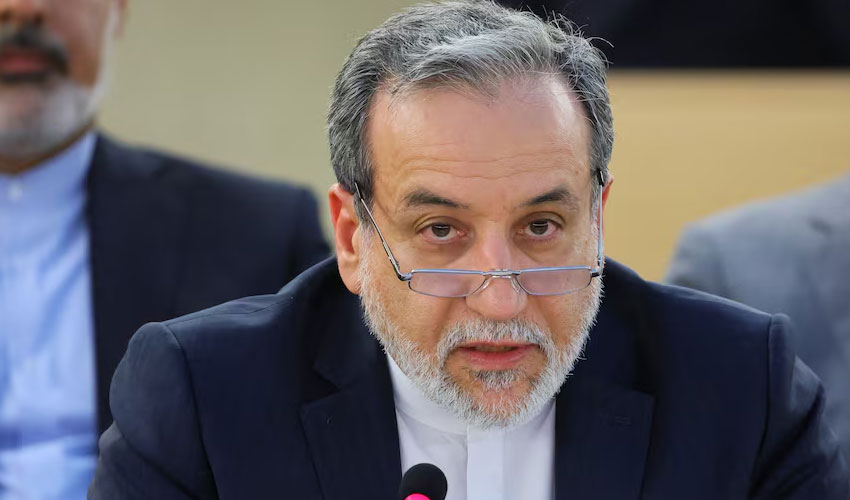
Iranian Foreign Minister Abbas Araqchi also warned that US military bases in the region are legitimate targets, emphasizing that Iran’s attacks are primarily focused on American installations.
US and international response
The United States has carried out retaliatory strikes along Iran’s coastline, citing the threat of Iranian anti-ship missiles to international shipping.
U.S. President Donald Trump criticized NATO allies for refusing military involvement in securing the Strait of Hormuz, while EU officials urged diplomatic efforts to prevent disruptions to food, energy, and fertilizer supplies.
Meanwhile, tens of millions face acute hunger if the conflict continues, according to the World Food Programme, with global airlines warning of soaring jet fuel costs and disrupted air travel.