





Iran intensified its attacks on Israel, striking key southern cities and expanding the conflict beyond the Middle East with long-range missile launches, raising global security and energy concerns.
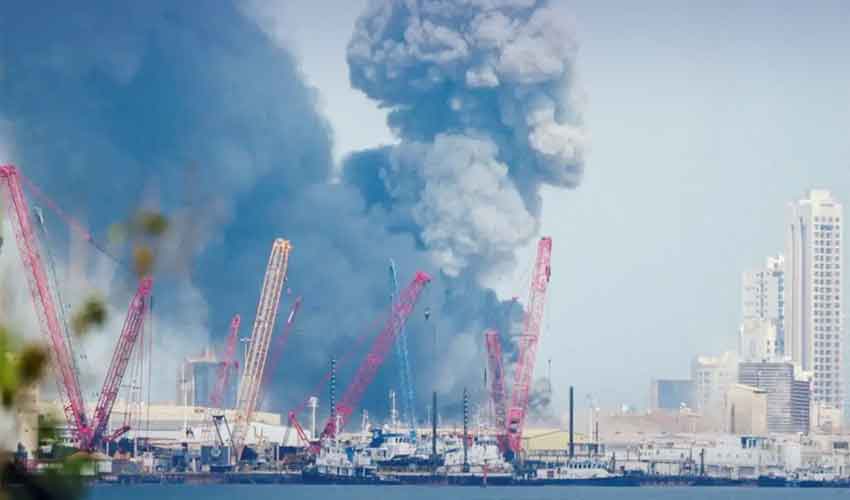
Iran launched fresh ballistic missile attacks targeting southern Israeli cities, including Dimona and Arad, causing widespread destruction and mass casualties.
More than 100 people were injured in the strikes, including children, after at least two missiles evaded Israeli air defense systems.
In Dimona alone, at least 39 people were wounded, including a teenager seriously injured by shrapnel. In Arad, around 88 people were injured, with several in critical condition.
A 12-year-old boy and a 5-year-old girl were among those seriously hurt, highlighting the civilian toll of the attacks.
Air defense failure
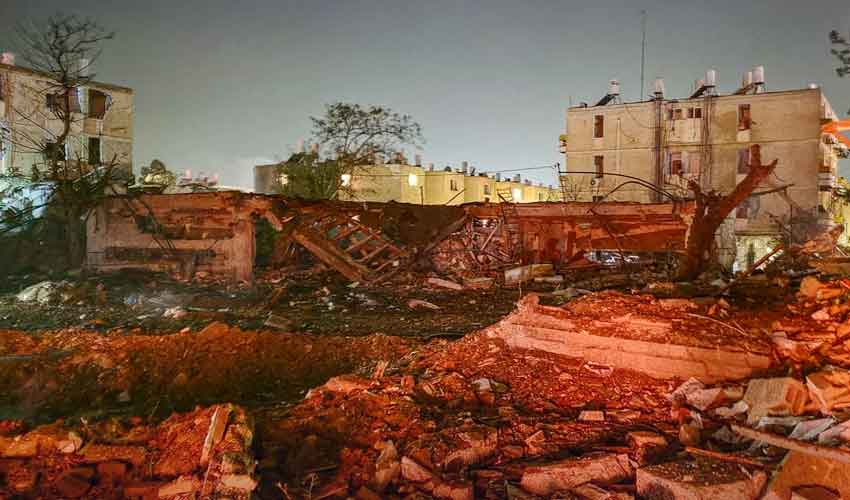
Israeli officials confirmed that air defense systems were activated but failed to intercept the incoming missiles. One missile carrying a heavy conventional warhead — estimated at hundreds of kilograms — struck between residential buildings, causing fires and structural damage.
Emergency responders described the aftermath as chaotic, with multiple buildings damaged, fires breaking out, and people feared trapped under rubble.
Nine buildings were reportedly damaged, while a mass-casualty emergency was declared at Soroka Hospital in Beersheba.
Nuclear facility near Dimona remains safe
Despite the proximity of strikes to Israel’s sensitive nuclear infrastructure, the International Atomic Energy Agency (IAEA) confirmed that no nuclear facilities were damaged. There was no evidence of radiation leaks or technical malfunction following the attack, easing fears of a nuclear disaster.
The targeted area lies near the Shimon Peres Negev Nuclear Research Center, a key but undeclared part of Israel’s nuclear program.
Iran’s Revolutionary Guards stated the strikes targeted “military installations and security centers” in multiple cities, including Dimona, Arad, Beersheba, Eilat, and Kiryat Gat.
However, Israeli officials reported that civilians bore the brunt of the damage, with residential areas hit and widespread injuries recorded.
Iran also claimed over 200 casualties in its attacks, a figure not confirmed by Israel, which reported no immediate deaths in the latest strikes.
Israeli Prime Minister Benjamin Netanyahu described the attacks as a “very difficult evening” and pledged continued military action. “We will continue to strike our enemies on all fronts with determination,” Netanyahu said.
The Israeli cabinet held an emergency meeting, while the military claims it has “just begun a wave of strikes” targeting government infrastructure in Tehran.
Regional tensions intensify
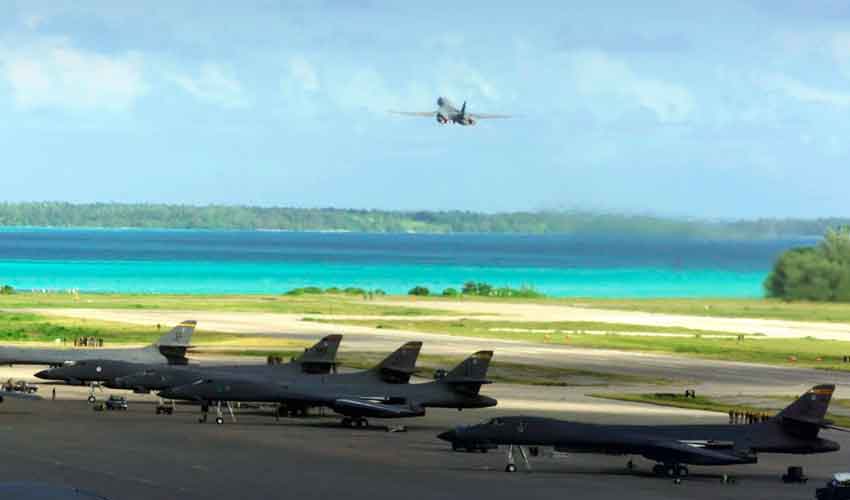
Iran also launched drone and missile attacks targeting US-linked bases in the UAE and Kuwait, while Saudi Arabia expelled Iranian diplomats in response.
Explosions were reported in multiple areas around Tehran, including Damavand and Pardis, where key infrastructure such as power plants is located.
The Tasnim news agency reported that the Iranian military announced intercepting and downing a US-Israeli armed drone above Tehran before it could carry out any combat operations.
Israel also expanded strikes into Lebanon, targeting Hezbollah positions, further widening the conflict.
US signals possible de-escalation
US President Donald Trump indicated that Washington may consider “winding down” military operations, claiming objectives were close to being achieved. However, mixed messaging from the US administration and continued troop movements have created uncertainty among allies.
Domestic pressure is mounting in the US as rising energy prices and inflation impact voters ahead of upcoming elections.
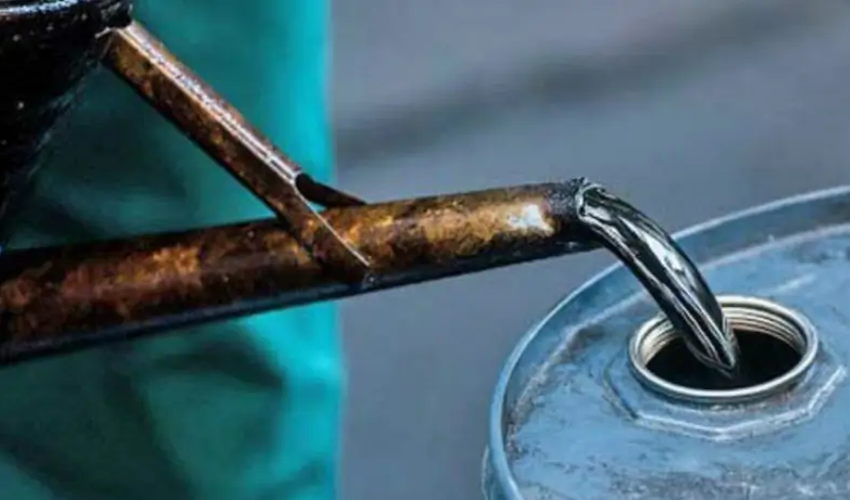
The conflict has triggered a sharp rise in global energy prices, with European gas prices surging by up to 35%. The Strait of Hormuz — a critical global energy route — has been effectively closed, threatening supply chains for oil and liquefied natural gas.
Countries like India and Japan are negotiating with Iran to allow limited passage for energy shipments.
Emergency measures in Israel
Following the attacks, Israel imposed strict emergency measures:
-
Schools closed nationwide
-
Public gatherings over 50 people restricted in southern regions
-
Health system shifted to full emergency mode
Authorities are also preparing expanded mental health support for affected populations and evacuees. These restrictions covered the Negev, Lachish and the Dead Sea areas.
Meanwhile, US and Israeli strikes in Iran have reportedly killed over 2,000 people since the conflict began on February 28. Recent strikes damaged a hospital and killed a child in Iran’s Khuzestan province, according to local media.
Iran also reported no radioactive leaks after alleged attacks on its Natanz nuclear facility.