




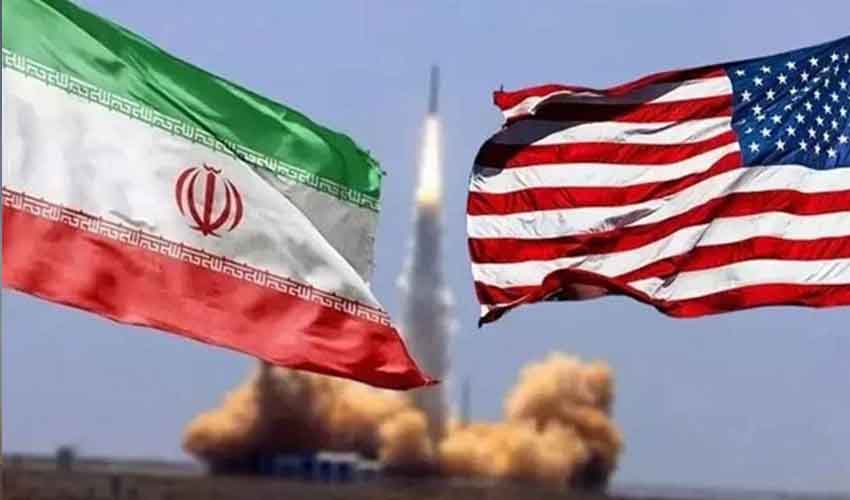
The United States has started preliminary discussions on potential peace talks with Iran, even as fighting continues and tensions remain high after weeks of conflict.
According to reports, the Trump administration has begun internal discussions on what a possible peace agreement with Iran could look like after nearly three weeks of war.
The move comes after US President Donald Trump said he is considering “winding down” the conflict, although officials expect fighting could continue for another two to three weeks.
Behind the scenes, advisers are working to prepare diplomatic options if negotiations begin.
Trump’s envoys, Steve Witkoff and Jared Kushner, are actively involved in shaping the framework for potential talks. Officials are also trying to determine who within Iran holds real decision-making authority and could serve as a reliable point of contact.
Iran’s Foreign Minister Abbas Araghchi has played a role in past negotiations, but some US officials believe he may lack the authority to finalize a deal.
Indirect communication through mediators
There has been no direct contact between Washington and Tehran in recent days. However, countries including Egypt, Qatar, and the United Kingdom have been relaying messages between the two sides.
While Qatar is seen as a potential mediator due to its past diplomatic role, it is reportedly reluctant to take on a highly visible position.
Mediators have conveyed that Iran may be open to negotiations, but only under strict terms. These include an immediate ceasefire, guarantees that hostilities will not resume, and compensation for damages.
Iran has also linked the reopening of the Strait of Hormuz to an end to US and Israeli attacks and assurances against future strikes.
US outlines six major demands for any deal
The United States is seeking several commitments from Iran as part of any agreement:
-
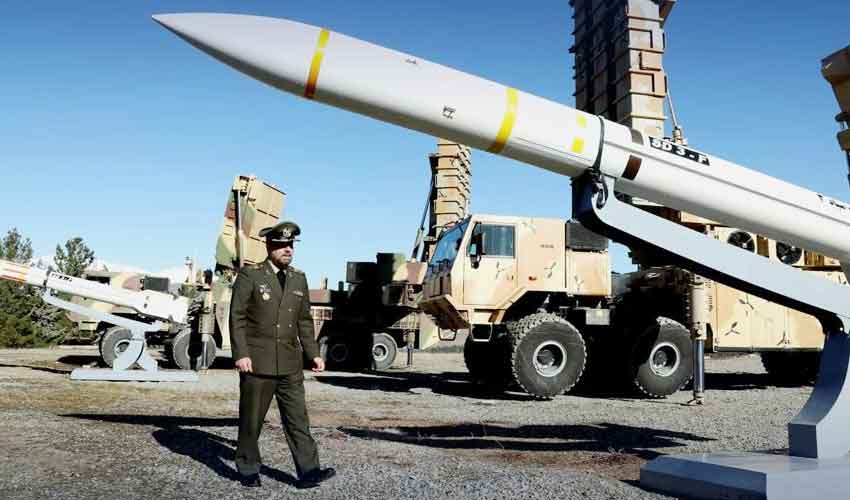
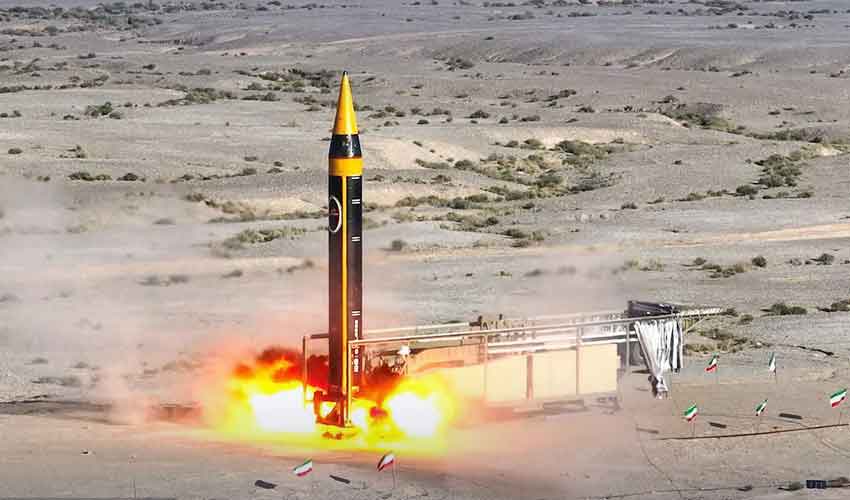
Suspension of Iran’s missile program for five years
-
Complete halt to uranium enrichment
-
Dismantling of nuclear facilities at Natanz, Isfahan, and Fordow
-
Strict international monitoring of centrifuge activity
-
Regional arms control agreements, including limits on missile ranges
-
Ending support for proxy groups such as Hezbollah, the Houthis, and Hamas
Officials acknowledge that Iran has previously rejected many of these demands.
One of the key sticking points is Iran’s demand for compensation. Trump has dismissed reparations as a “non-starter,” though some US officials suggest the issue could be reframed as the return of frozen Iranian assets.
“They call it reparations. Maybe we call it return of frozen money,” one official said, indicating possible room for compromise.
Strait of Hormuz central to negotiations
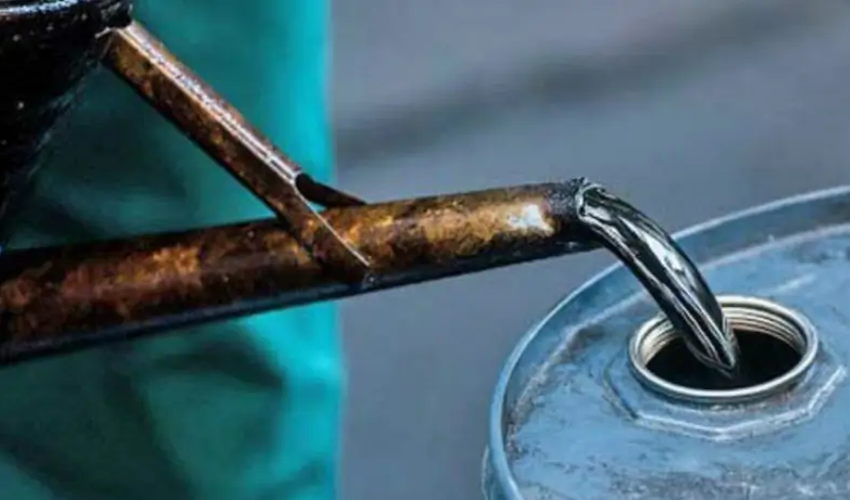
Reopening the Strait of Hormuz — a critical global energy route — is expected to be a central component of any agreement. The waterway carries around a fifth of global oil and liquefied natural gas supplies, and disruptions have raised fears of a global energy crisis.
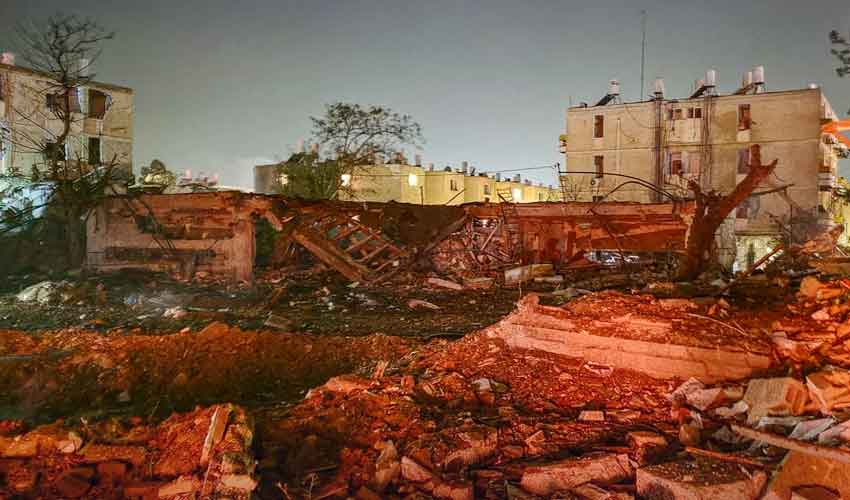
Despite discussions about diplomacy, US officials expect the conflict to continue for at least two to three more weeks. The war, which began on February 28 with US and Israeli strikes on Iran, has already caused significant damage and loss of life.
Analysts note that mistrust remains a major obstacle, with Iranian leaders wary of past negotiations that ended abruptly in military action. At the same time, US officials are still trying to identify the most effective mediator and communication channel to move talks forward.
Window for diplomacy
While early discussions signal a possible path toward de-escalation, major differences between the two sides remain unresolved. For now, both diplomacy and conflict appear to be unfolding simultaneously, leaving the region in a state of uncertainty.