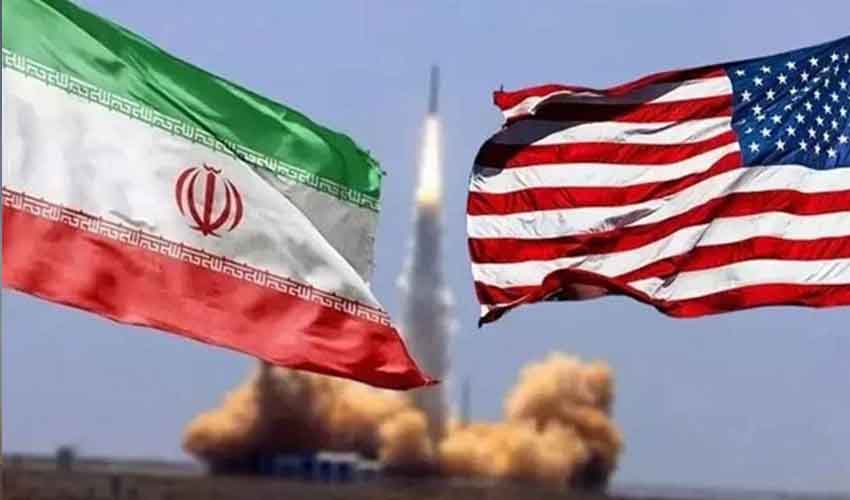






The airline industry is grappling with its most severe crisis since the COVID-19 pandemic, as the ongoing Middle East conflict disrupts flights, drives up fuel costs, and shakes investor confidence worldwide.
The impact has been immediate and severe, with the world’s 20 largest publicly listed airlines losing around $53 billion in market value since the war began.
Investor anxiety has surged, with increased bets against airline stocks. European low-cost carrier Wizz Air has become the most shorted company on the FTSE 100, while easyJet has also been targeted.
Jet fuel prices double, forcing fare hikes
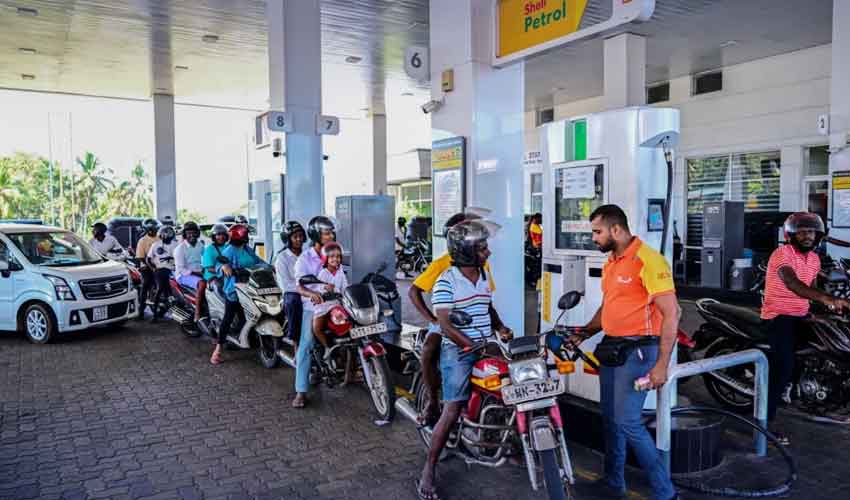
Jet fuel prices, which make up about one-third of airline operating costs, have doubled since the US and Israel launched attacks on Iran last month. Although some airlines hedge against oil price fluctuations, executives say the sharp increase will inevitably lead to higher ticket prices.
EasyJet CEO Kenton Jarvis described the situation as even more severe than the fuel spike following Russia’s invasion of Ukraine in 2022.
Ticket prices set to rise globally
Passengers worldwide are likely to face steep increases in airfares in the coming months as airlines try to offset rising costs. Carsten Spohr, CEO of Lufthansa, warned that airlines cannot absorb the additional expenses, noting that average profits are only about €10 per passenger.
He added that while fare increases are unavoidable, they could eventually dampen demand.
Airlines are also preparing for potential jet fuel shortages as supply chains come under pressure. Air France-KLM CEO Ben Smith said contingency plans are already being developed, including the possibility of reducing flights to parts of Asia.
Gulf airlines at center of crisis
The worst impact is being felt in the Gulf region, where major carriers like Emirates, Etihad, and Qatar Airways have been forced to significantly cut their schedules.
Airspace closures and a sharp drop in tourism have disrupted operations at key hub airports.
Willie Walsh, head of the International Air Transport Association (IATA), described the situation as a major crisis for Middle Eastern airlines, though still less severe than the pandemic.
Experts say the current disruption resembles the aviation downturn following the 9/11 attacks, when demand for transatlantic travel dropped sharply.
Despite recent years of strong recovery and record profits, airlines now face renewed uncertainty.
Smaller airlines face greater risk
Industry analysts warn that airlines without strong government backing could struggle to survive. Andrew Charlton of Aviation Advocacy said Gulf carriers may require financial support from state owners to weather the crisis.
The crisis is also affecting global cargo operations, with increased reliance on air freight due to disruptions in shipping routes.
Airports are becoming overwhelmed, with some cargo shipments being rerouted — for example, goods destined for Geneva are being transported via Paris due to capacity issues.
Hope for recovery tied to end of conflict
Despite the turmoil, industry leaders remain cautiously optimistic.
EasyJet’s Kenton Jarvis said airline share prices could rebound quickly if a ceasefire is reached, noting that the current downturn reflects uncertainty rather than long-term decline.
As the conflict enters its fourth week, the aviation sector faces a complex mix of rising costs, operational disruptions, and uncertain demand.
With no immediate resolution in sight, airlines worldwide are bracing for continued turbulence.