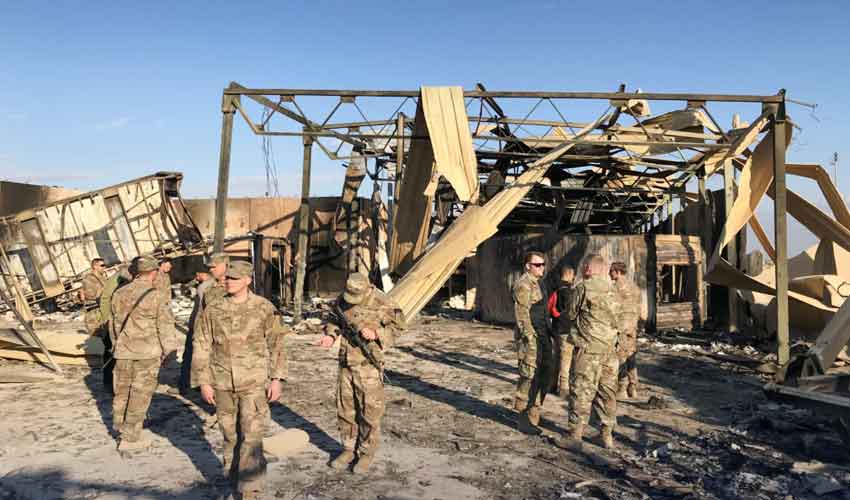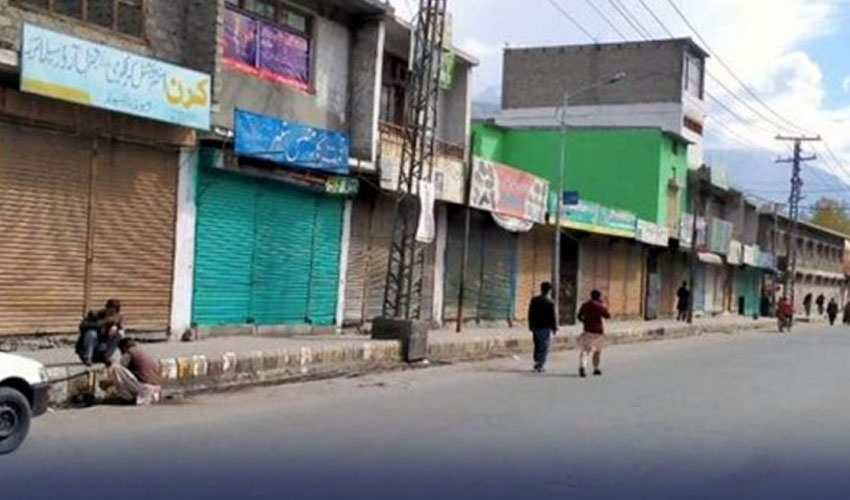






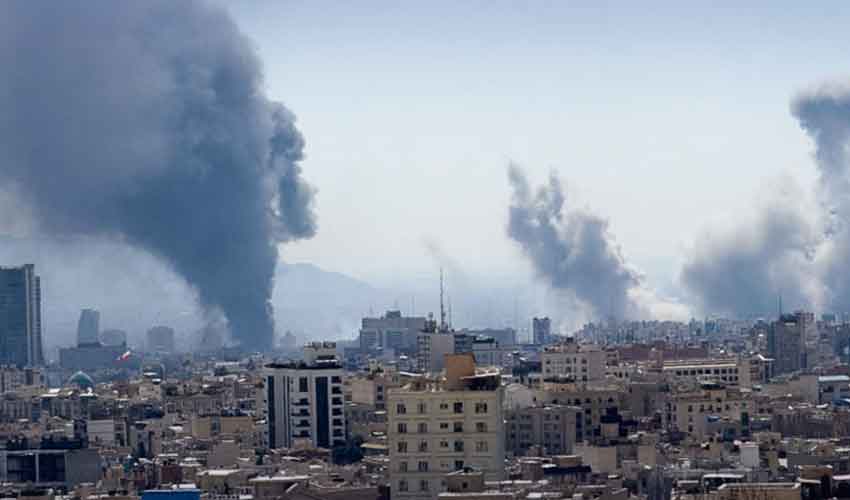
At least four civilians, including two teenagers in Iran and two people in Abu Dhabi, have been killed as the US-Israel military campaign intensifies.
The conflict, now nearing four weeks, is spreading across multiple cities and raising fears of wider regional instability.
The latest escalation saw two teenagers killed in Shiraz on Thursday evening after Israeli and US strikes hit a residential area. Iranian media, including IRNA, identified the victims as Ilya and Amir Hossein Sharafi from the village of Kafri.
Hours later, on Thursday, the Israeli military announced a “wave of extensive strikes” targeting Isfahan in central Iran.
Civilian casualties reported in Gulf
The humanitarian toll extended beyond Iran, with the UAE confirming two deaths in Abu Dhabi. Officials said the victims were killed when debris from an intercepted missile fell onto a main road during ongoing Iranian attacks across the Gulf.
Strikes were reported in Bandar Abbas, Karaj, and Lamerd airport in Fars province. Cities such as Mashhad and Taybad, previously less affected, were also hit.
Iran retaliates with missile attacks on Israel
In response, Iran launched missile barrages targeting central Israel. At least three people were injured in Kfar Qasim, east of Tel Aviv, according to Arutz Sheva, while sirens sounded across central Israel, Jerusalem, and parts of the occupied West Bank.
Medics later reported six people were lightly wounded in subsequent attacks.
The conflict has also spilled into Gulf countries, where Iran claims it is targeting US-linked assets.
Saudi Arabia said it intercepted 17 drones and shot down five more headed toward its Eastern Province. Kuwait reported intercepting two drones, while Bahrain extinguished a fire at a facility in Muharraq with no injuries.
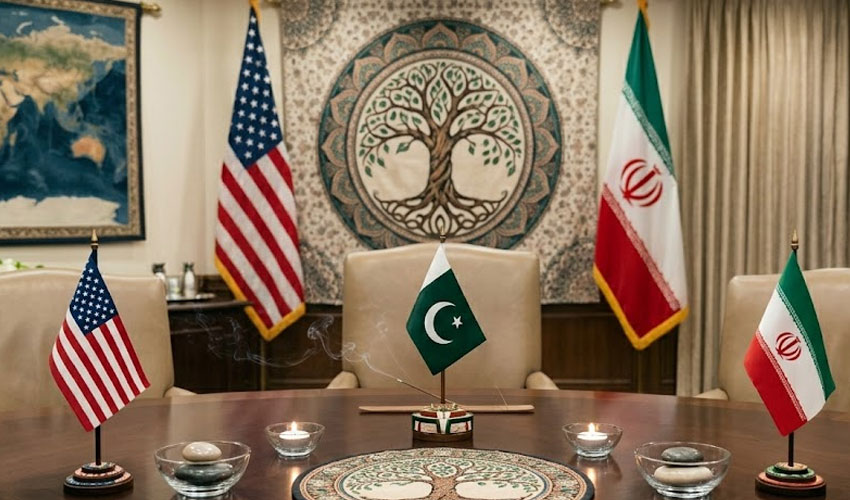
Despite the escalating violence, US President Donald Trump said a deal to end the war was near, claiming negotiations were ongoing.
Also Read: Israel drops Iranian officials from hit list after Pakistan push
“They want to make a deal so badly,” Trump said, even as Iranian leaders denied any direct talks.
Iran’s Foreign Minister Abbas Araghchi rejected claims of negotiations, stating: “At present, our policy is the continuation of resistance… no negotiations have taken place.”
He confirmed only indirect communication through “friendly countries.”
War spreads after Iran rejects US ceasefire plan
The war, which began on February 28, has intensified after Iran rejected a proposed 15-point US peace plan.
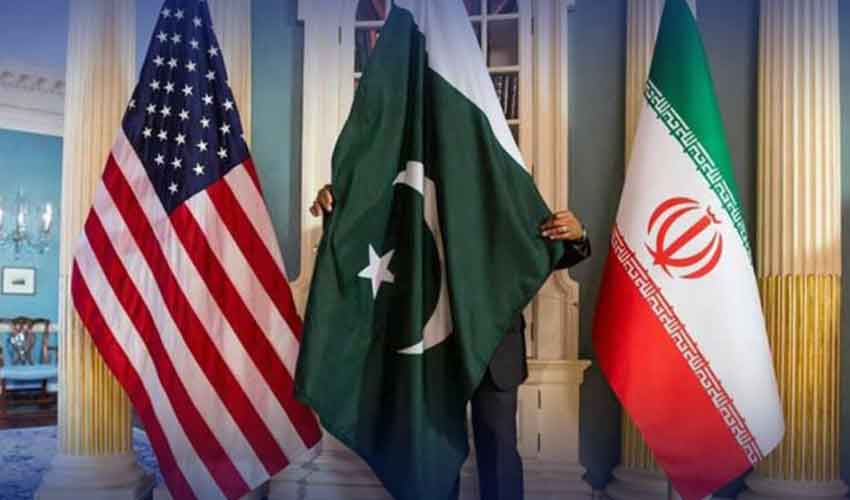
Details of the plan were reportedly conveyed via Pakistan, but Tehran responded negatively and instead proposed five conditions, including guarantees against renewed attacks and compensation for damages.
Israel described its latest attacks as “wide-scale” operations targeting infrastructure across Iran.
Local reports confirmed strikes in Isfahan, Shiraz, Bandar Abbas, Tabriz, and Mashhad -- indicating that even previously less-affected regions are now under attack.
Also Read: Trump claims Iran 'afraid' to admit talks as Tehran denies negotiations
The conflict is also shaking global markets, particularly due to disruptions around the Strait of Hormuz, through which around 20% of the world’s oil and gas passes.
Although crude prices had fallen earlier, uncertainty over negotiations and continued conflict pushed oil prices up again on Thursday, while equity markets remained mixed.
Iran has largely blocked the strategic waterway in retaliation, adding to global economic concerns.
US military claims major degradation
US Central Command chief Admiral Brad Cooper said American forces have struck over 10,000 targets in Iran since the war began. He claimed that 92% of Iran’s largest naval vessels have been destroyed, significantly limiting its maritime power.
Cooper added that Iran’s missile and drone attack rate has dropped by more than 90%, and over two-thirds of its military production facilities have been damaged or destroyed.
Also Read: Kharg Island tensions: Iran threatens strikes on regional allies
According to Cooper, the campaign -- known as Operation Epic Fury -- has entered its fourth week, with US forces maintaining air superiority. More than 10,000 combat flights have been carried out, including B-52 bomber missions deploying up to 70,000 pounds of munitions per strike.
He said the goal is to eliminate Iran’s broader military manufacturing capability entirely.