




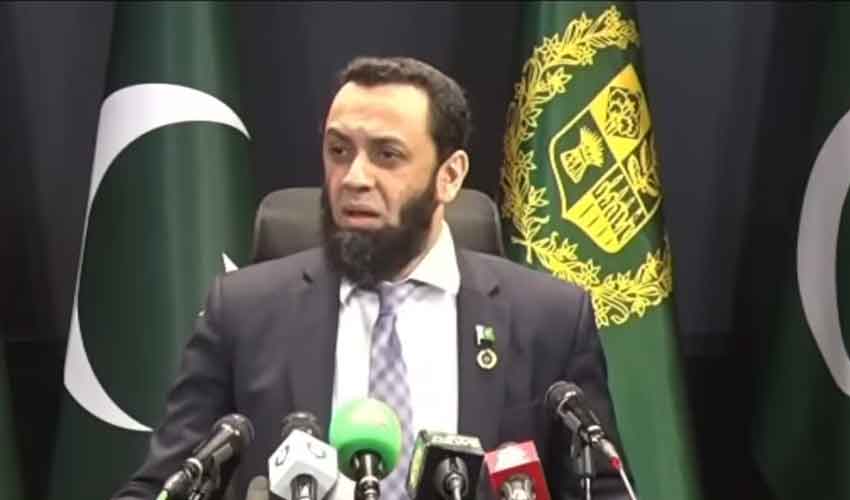
Federal Information Minister Attaullah Tarar has strongly criticized a controversial meeting in Geneva, while emphasizing Pakistan’s growing diplomatic role on the global stage, particularly in the Middle East.
Speaking at a press conference in Islamabad, Tarar launched a sharp attack on PTI-linked figures over a Geneva meeting.
He also highlighted Pakistan’s emerging role as a key diplomatic player amid global tensions.
The minister strongly criticized a reported meeting in Geneva involving Zulfi Bukhari, the sons of PTI founder Imran Khan, and controversial figures like Arif Aajakia.
He termed the situation “unusual” and alleged that PTI members were conspiring with individuals who, according to him, defame Pakistan internationally.
Tarar claimed that Zulfi Bukhari acted as a facilitator in the matter, while reports suggested discussions were held on issues such as withdrawing Pakistan’s GSP Plus status.
He also alleged that figures like Arif Aajakia campaign against Pakistan abroad, particularly in the UK, and said PTI members later denied knowing him despite meetings.
The minister further alleged that individuals such as Naseem Baloch, associated with the so-called Baloch National Movement, were also present, adding that such people celebrate terrorist incidents in Pakistan.
'Conspiracies cannot harm Pakistan'
Tarar made it clear that such “low-level tactics” and “dirty deeds” cannot harm Pakistan.
“The whole world is seeing their disgusting face,” he said, adding that no matter how many conspiracies are made, Pakistan will remain strong.
He emphasized that no political party or leader is bigger than Pakistan and that national interest must always come first.
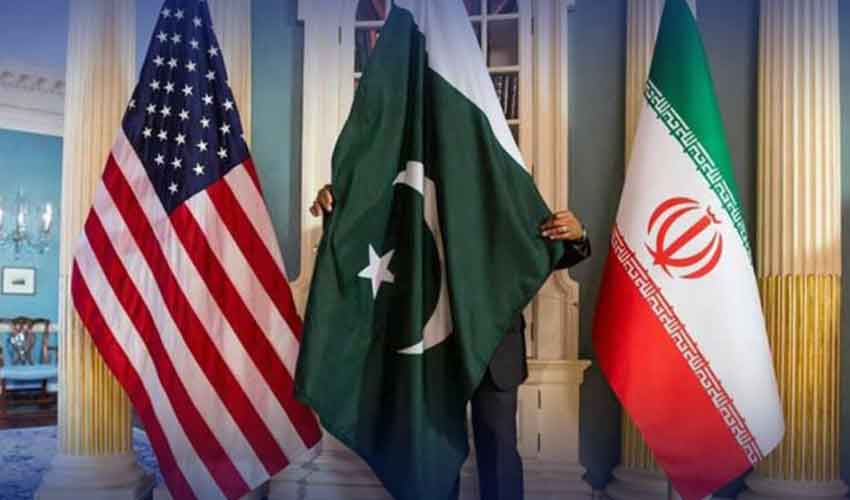
Highlighting foreign policy, Tarar said Pakistan’s key role in reducing tensions in the Middle East is becoming increasingly visible. He praised the leadership of the prime minister and the field marshal, saying they have shown Pakistan’s “iron fist” on the diplomatic front.
Also Read: Pakistan cautions against speculation; confirms backchannel US-Iran talks
According to Tarar, Pakistan has emerged as an effective and powerful voice globally, with strategic contacts being made at all levels. He added that anyone wishing to contribute to Pakistan’s diplomacy is welcome to do so.
India ‘worried’ over Pakistan’s rising influence
Tarar claimed that India is deeply concerned about Pakistan’s diplomatic successes. He said India is becoming increasingly unpopular due to Pakistan’s improving global image, particularly in the current geopolitical environment.
The minister accused the PTI of bringing Pakistan to the brink of default during its tenure. He alleged that PTI leaders even wrote letters to the IMF and prayed for the country’s default, calling it irresponsible behaviour.
Tarar also criticized calls made in 2024 to withdraw Pakistan’s GSP Plus status, saying such actions were aimed at harming exporters.
He added that the current government has pulled the country out of default and put it back on the path of development, with Pakistan’s economic situation now being praised globally.
PTI founder and family
Tarar said PTI founder Imran Khan’s sons were asked to come to Pakistan for obtaining NICOP but instead focused on other sources. He claimed they do not identify with Pakistan, do not prefer Pakistani identity symbols, and have no connection with the country despite traveling on Pakistani passports.
He also said the government provided full medical facilities to the PTI founder, including treatment at PIMS, and that he is now recovering, with his condition improving.
Tarar stressed that criticism is everyone’s right but warned against damaging the country’s dignity in political opposition. He said propaganda against Pakistan in the current global situation is unacceptable and urged those speaking against the country to “be ashamed.”
He added that slogans like “Pakistan Khape” have historically been raised to save the country, emphasizing unity over personal or political interests.
Recalling past diplomacy, Tarar noted that Prime Minister Shehbaz Sharif attended meetings on Kashmir and Palestine issues as opposition leader. He said such participation reflects that no individual is bigger than the state.
Referring again to Geneva, he described the meeting as a “sad incident” and reiterated that political differences should not come at the cost of national interest.