





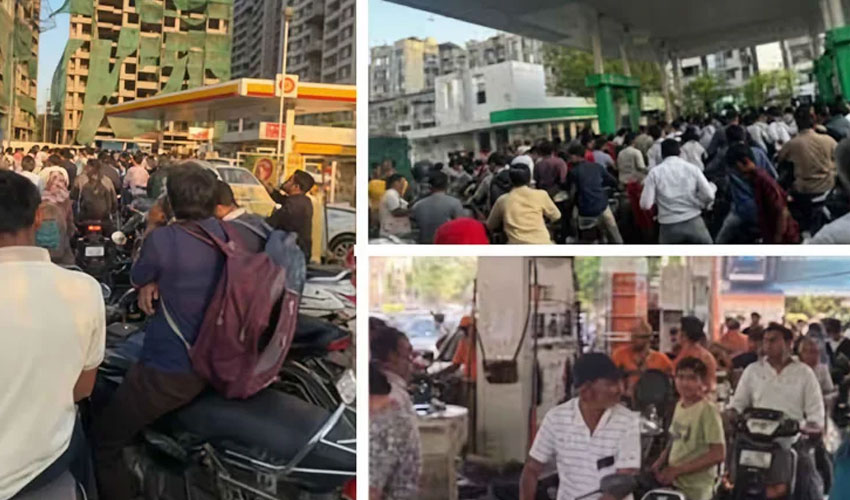
Long lines at petrol stations from Gujarat to Tamil Nadu highlight growing anxiety in India over fuel shortages as the conflict in the Middle East disrupts oil supplies.
Authorities urge calm, emphasizing measures to ensure continuous energy availability.
India’s government convened an all-party meeting to brief lawmakers on the Middle East situation. MPs reported that additional oil tankers would be allowed to pass through the Strait of Hormuz to bolster India’s supply.
Foreign Secretary Vikram Misri confirmed that four oil tankers are scheduled to dock at Indian ports in the coming days. Domestic gas production has also increased to mitigate potential shortages.
The government stressed the safety of Indian nationals living and working in Gulf countries, where millions are employed.
Fuel shortages trigger panic buying
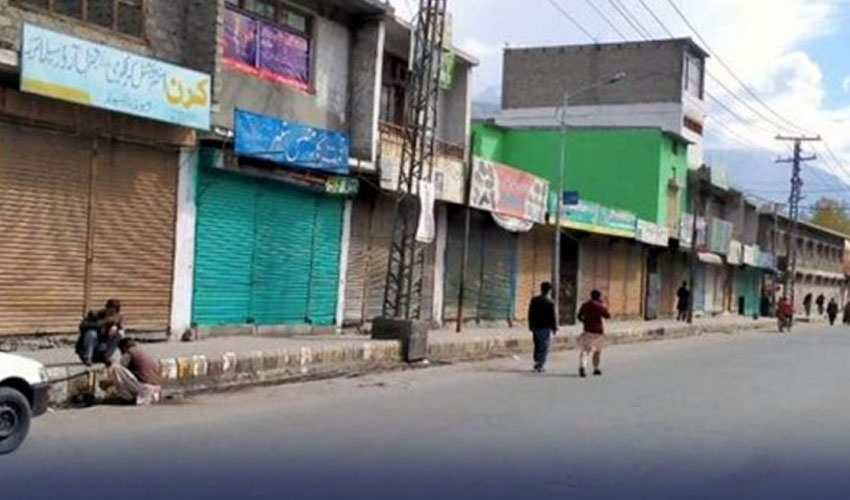
Despite assurances, citizens formed long queues at petrol stations, prompting police deployment to maintain order. Reports indicate that many have been waiting for hours, highlighting growing public concern over the availability of petroleum products.
Experts point to poor planning, delayed decisions, and ineffective energy policies as factors exacerbating the crisis, noting that it has intensified economic pressures, including stress on the currency and declining remittances.
Criticism of energy management
Commentators have criticized the government’s handling of the energy sector, suggesting that India’s indecisive stance on Iran is contributing to domestic supply disruptions. The shortage has become a focal point for public dissatisfaction, with citizens voicing frustration at the perceived mismanagement.
Al Jazeera reports that the crisis has exposed gaps in India’s energy policy, emphasizing the need for timely, strategic intervention to prevent further escalation.