




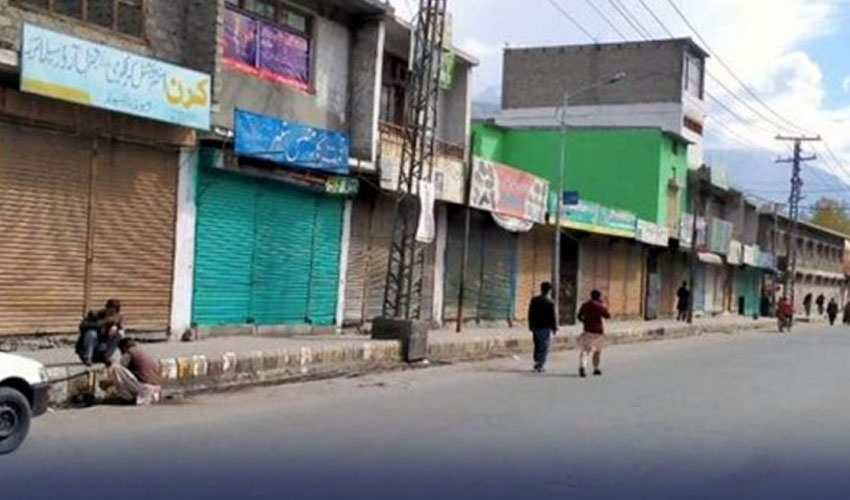
The federal government is considering the imposition of a smart lockdown to avert economic collapse amid rising regional tensions.
According to details that surfaced on Wednesday, the move is aimed at shielding Pakistan’s economy from the adverse effects of ongoing conflict in the region, while conserving energy and fuel. A proposal to introduce a one-month hybrid working model is also under consideration.
The war imposed on the Middle East by the United States and Israel has placed both regional and global economies at risk. The government has resolved to tighten austerity measures, with a nationwide smart lockdown under review. A proposal suggested that 50 per cent of work in both public and private offices be conducted online. A final decision will follow consultations with stakeholders at the national level.
Initially, a hybrid working model for one month is proposed to save energy and fuel. Offices operating five days a week may require three days of physical attendance and two days of remote work. For six-day offices, four days of attendance and two days of working from home are under consideration. A 50 per cent rota system may be enforced to regulate staff attendance, alongside a monitoring system for online work. A minimum attendance threshold of 65 per cent is proposed, with weekly audits of both online and office work.
Strict curbs on the use of official vehicles are also under consideration, with action proposed against violations. Sources divulged that unnecessary use may result in three months’ fuel recovery and vehicle seizure. A plan for combined transport for senior officials is also being examined. Use of air conditioners before 10:30am may be restricted, while a proposal seeks to shift 50 per cent of government offices to solar energy within 60 days.
Markets and shopping centres across the country may also close early at night. Wedding halls and events may be limited to a single dish and a maximum of 200 guests, with functions to conclude before 10pm. Proposals further include a five per cent increase in tax on property and vehicle transactions, a flat Rs50 rise in toll tax, and computerised collection. Railway fares may be reduced to encourage public use of trains.