





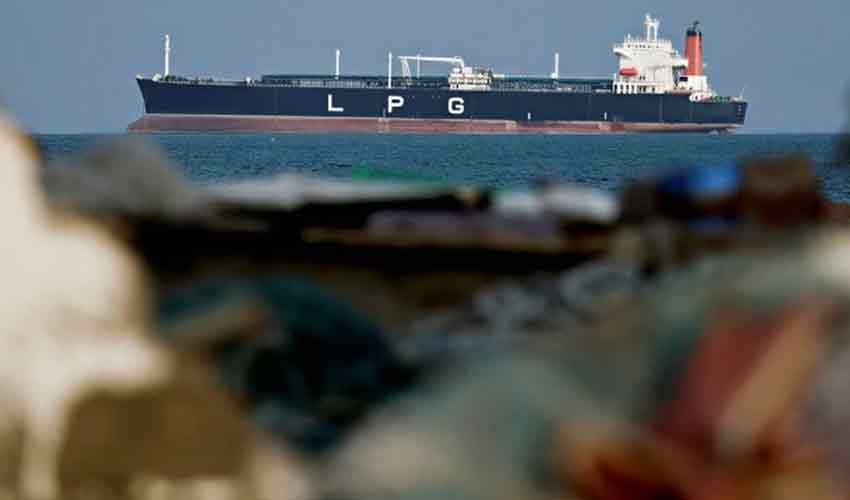
Iran has permitted oil tankers bound for Bangladesh, along with vessels from other “friendly” or “non-hostile” nations, to pass through the strategically vital Strait of Hormuz despite ongoing regional tensions affecting global shipping.
A senior Iranian Foreign Ministry official confirmed to Anadolu that Bangladeshi tankers were allowed to transit Hormuz. Another official clarified that while there had been no formal communication specifically granting access, Bangladeshi vessels were “not subject to any restriction.”
Iranian Foreign Minister Abbas Araghchi previously stated that ships from countries including China, Russia, Pakistan, Iraq, and India had recently passed through the strait, adding that Bangladesh was among the nations coordinating with Tehran for safe transit—a practice expected to continue even amid regional conflict.
The move is particularly significant for Bangladesh, which depends heavily on fuel imports routed through Hormuz. The country imports roughly 63% of its energy supplies from Gulf states such as Saudi Arabia, the UAE, and Iraq, while its liquefied natural gas (LNG) needs—around 64–75%—are met primarily by Qatar.
Tehran maintains that vessels not involved in hostile activities can transit the strait under coordination with Iranian authorities, while ships linked to adversarial nations face restrictions. Earlier, Bangladesh’s Iranian Ambassador Jalil Rahimi Jahanabadi reportedly requested advance information about incoming fuel shipments.
This selective access comes as regional conflicts continue to disrupt the flow of oil through one of the world’s most critical maritime passages.
.jpg)