




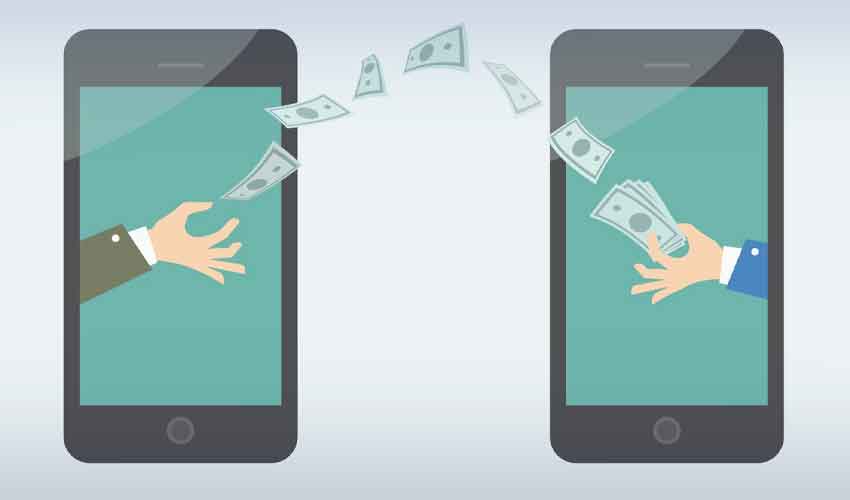
Pakistan has recorded the highest gender gap in mobile money account ownership globally, according to the GSMA Mobile Money Industry Report 2026.
The GSM Association’s latest report shows that Pakistan’s gender gap in mobile money account ownership stands at a staggering 63%.
This is significantly higher than regional peers, with Bangladesh at 49% and India at 42%, underscoring Pakistan’s widening financial inclusion gap.
Only 13% of women in Pakistan have a mobile money account, compared to 35% of men, according to the report. Even more concerning is usage: just 2% of women actively use mobile money services on a regular basis.
In comparison, regular usage among women stands at 3% in India and 6% in Bangladesh.
Rural areas face wider disparities
The gender gap is even more pronounced in rural areas, where it reaches 74%. In urban areas, the gap is relatively lower but still significant at 42%, indicating that location plays a major role in access to financial services.
The report found that 76% of women in Pakistan still prefer cash transactions, compared to 64% of men. This reliance on cash reflects both limited access to digital tools and trust barriers in adopting mobile financial services.
Mobile ownership gap persists
Access to mobile phones remains a key challenge for women. Nearly one-third of women in Pakistan do not own a mobile phone, while 95% of men have access compared to 68% of women.
However, there has been some improvement: women’s mobile ownership increased by 10 percentage points after 2024. The gender gap in mobile ownership has also narrowed from 37% to 27%, according to the report.
Social barriers and family opposition
Cultural and social factors continue to hinder women’s financial inclusion. Around 39% of women cited family opposition as a major barrier to using mobile money accounts.
The report also highlights social, technological, and educational challenges as key reasons behind the persistent gender gap.
The GSMA report warns that severe inequality in access to financial services continues across Pakistan. Despite some progress in mobile ownership, the gap in mobile money usage remains deeply entrenched, particularly for women.


.jpg)