




President Asif Ali Zardari chaired a crucial high-level meeting to review Pakistan’s economy, energy situation and regional developments amid global tensions. Top leadership pledged relief for citizens while ensuring fuel stability and price control.
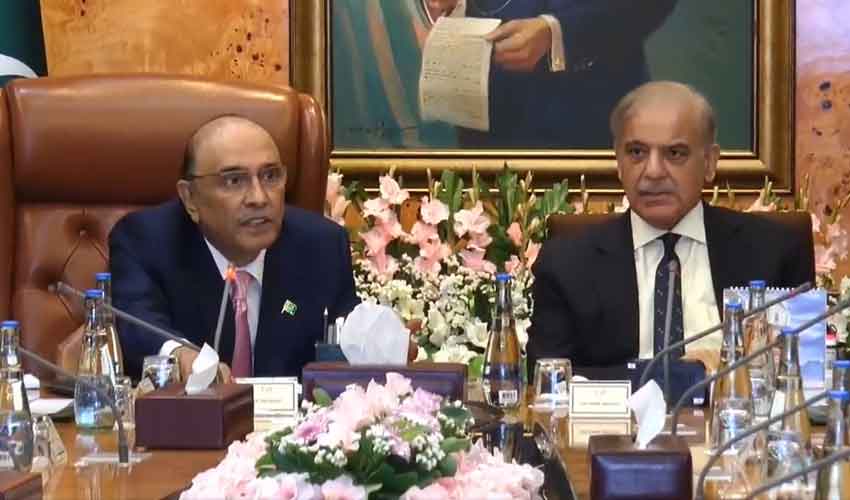
A high-level consultative meeting was held at the President House under President Asif Ali Zardari, bringing together Pakistan’s top civilian and provincial leadership. Prime Minister Shehbaz Sharif, Deputy Prime Minister Ishaq Dar, federal ministers, National Security Adviser Lt Gen Asim Malik, and senior officials attended the session.
Leaders from all four provinces, Gilgit-Baltistan and Azad Kashmir were present, including PPP Chairman Bilawal Bhutto Zardari, Senator Saleem Mandviwala, KP Chief Minister Sohail Afridi, AJK Prime Minister Faisal Mumtaz Rathore, and GB Chief Minister Yar Muhammad.
President Zardari holds consultative meeting with PM @CMShehbaz, federal and provincial leadership to review economic, energy and regional situation, focusing on coordination, fuel conservation, public relief and mitigating impact on the common man. pic.twitter.com/BdW0vQ6ry4
— The President of Pakistan (@PresOfPakistan) March 30, 2026
Senior officers from relevant ministries and divisions also participated in the discussions.
Inflation control and essential supplies
The meeting placed strong emphasis on maintaining stability in prices and ensuring uninterrupted supply of essential commodities.
President Zardari directed immediate steps to reduce inflation and ease the burden on the common man, especially in light of the changing global situation.
He stressed controlling the prices of services and daily-use items and assured that economically weak segments would not be left alone in difficult times.
No fuel shortage
Officials briefed the meeting that Pakistan currently has adequate fuel stock to meet national needs. Despite global tensions and rising energy prices, timely decisions have ensured that fuel supply remains uninterrupted.
Authorities also informed that arrangements are underway to secure future fuel availability in the country.
PM rejects petroleum price hike
Prime Minister Shehbaz Sharif once again rejected proposals to increase petroleum product prices. The decision reflects the government’s continued stance to shield citizens from further financial pressure during a period of economic uncertainty.
Also Read: PM directs austerity measures and expanded relief for low-income groups
The government decided to further tighten its austerity campaign to reduce expenditure. Key steps include grounding 60% of government vehicles, cuts in the development budget, and other cost-saving measures.
Funds saved through these efforts are being redirected toward public relief initiatives.
Fuel conservation
President Zardari directed the launch of a nationwide awareness campaign to promote fuel conservation. He emphasized reducing fuel consumption, encouraging the use of public transport, and promoting shared mobility methods to save energy.
Authorities were also instructed to ensure full implementation of energy and fuel conservation measures.
The president stressed the need for complete coordination between economic, energy, and security policies. He highlighted that effective decision-making requires alignment with national security preparations, especially given the evolving regional situation.
The meeting also reviewed the broader regional environment and its potential impact on Pakistan’s economy, food security, and overall stability.
Diplomatic outreach, regional engagement
Deputy Prime Minister Ishaq Dar briefed the participants on Pakistan’s active diplomatic engagement with key countries, including Turkey, Saudi Arabia, and Egypt. He also shared details of recent contacts with leaders of countries involved in the conflict and informed the meeting about his upcoming visit to Beijing.
The briefing highlighted ongoing efforts to maintain strategic ties amid shifting geopolitical dynamics.
Provincial governments presented updates on measures taken to control price pressure and ensure availability of essential commodities. They also shared steps aimed at reducing the impact of economic challenges on the public.
Governments of Gilgit-Baltistan and Azad Kashmir provided similar briefings, emphasizing the need for a coordinated national response. Officials noted that effective nationwide action is only possible through collaboration across all provinces and regions.
Provinces oppose lockdown
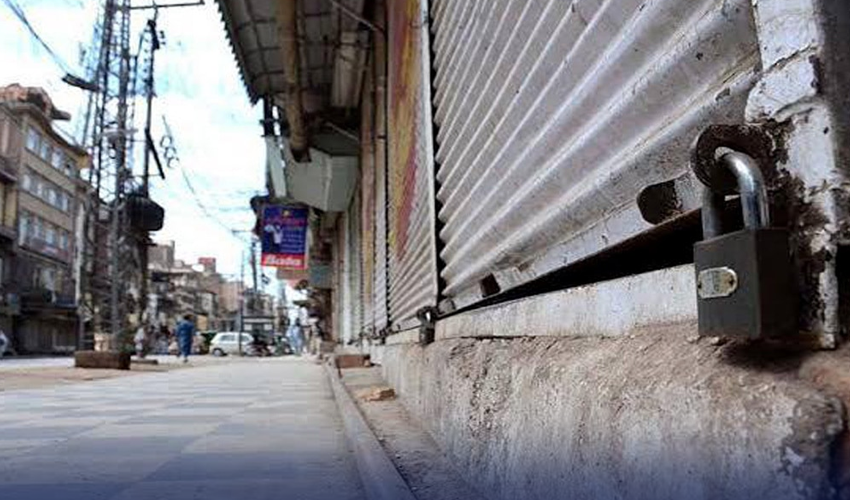
Sources revealed that provincial governments opposed the idea of imposing a smart lockdown across the country. They recommended that the federal government avoid such measures and instead focus on economic relief.
Provinces also urged contributions toward the Rs254 billion relief package and expressed commitment to implementing austerity and energy-saving policies.
The leadership reiterated its commitment to protecting citizens from the impact of rising prices and global instability. President Zardari issued clear directives on economic management, energy planning, and food security measures to ensure long-term stability.


.jpg)