





Donald Trump has expressed confidence that a deal with Iran could be close, even as tensions remain high and military activity continues across the region.
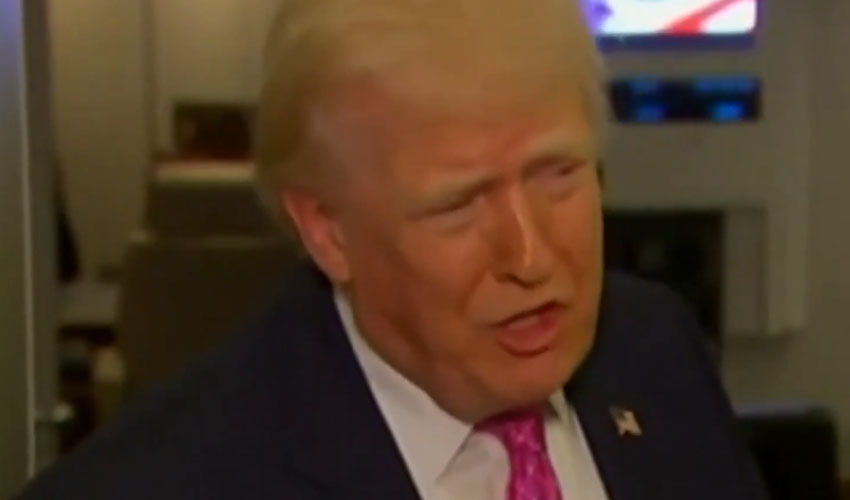
Speaking to reporters aboard Air Force One, Trump said negotiations with Iran were progressing positively.
“I think we’ll make a deal with them, I’m pretty sure, but it’s possible we won’t,” he said, adding that talks were going “extremely well.”
He noted that both direct and indirect negotiations were underway, with Iran showing flexibility on key issues.
Trump also claimed that the US had effectively achieved “regime change” in Tehran following recent strikes.
He said Iran’s new leadership appeared “very reasonable,” suggesting a shift in tone that could support diplomatic progress.
The initial Israeli strike on February 28 reportedly killed Iran’s Supreme Leader, with leadership transitioning afterward.
War continues despite talks
Despite diplomatic signals, military operations have not slowed.
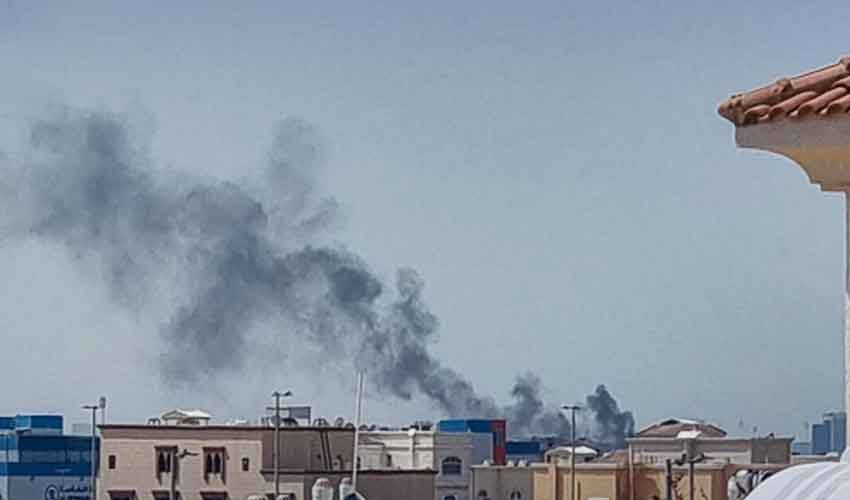
Trump confirmed that US forces had carried out additional strikes on Iranian targets, describing it as a “big day.”
“We are negotiating with them… and then we always have to bomb them,” he said, underlining the dual-track approach of diplomacy and military pressure.
Trump claimed that Iran had agreed to allow up to 20 oil tankers through the Strait of Hormuz as a “sign of respect.”
The waterway remains critical, handling a significant portion of global oil and LNG supplies.
Pakistan steps In as mediator
Pakistan has emerged as a key diplomatic intermediary in the crisis.
Foreign Minister Ishaq Dar said Islamabad was preparing to host “meaningful talks” between Washington and Tehran in the coming days.
He added that both sides had expressed confidence in Pakistan’s role in facilitating dialogue.
A quadrilateral meeting hosted in Islamabad brought together foreign ministers from Saudi Arabia, Turkiye, and Egypt.
Participants stressed the need for an immediate and permanent end to the war, emphasizing dialogue as the only viable solution.
Dar said discussions focused on de-escalation, regional stability, and potential US-Iran negotiations.
Iran rejects pressure, warns US
Meanwhile, Iran’s parliament speaker Mohammad Baqer Qalibaf accused the US of sending mixed signals.
He warned that Tehran would not accept humiliation and would respond strongly if US ground troops were deployed.
“As long as the Americans seek Iran’s surrender, our response is that we will never accept humiliation,” he said.
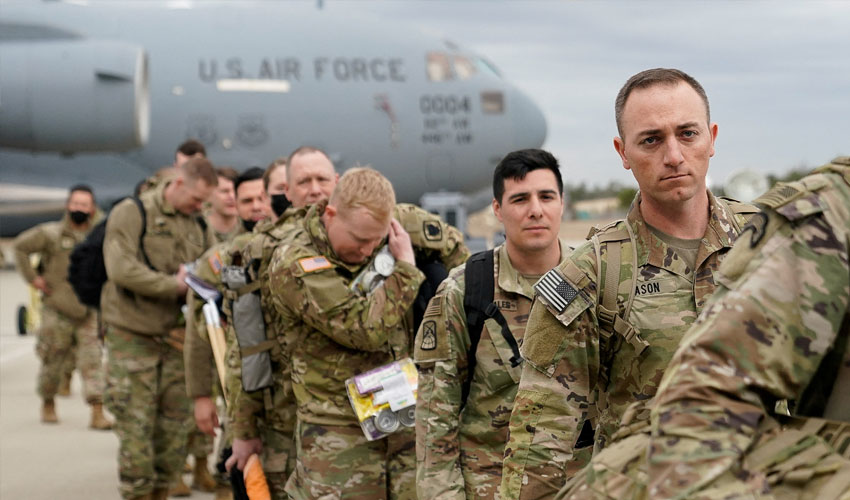
The US has deployed thousands of troops to the Middle East, keeping the option of a ground offensive open.
However, Trump said Washington has “lots of alternatives” and suggested a deal could come “soon.”
An Israeli official also indicated that military strikes would continue regardless of ongoing diplomatic efforts.