





Qatar’s key energy hub, Ras Laffan Industrial City, has been hit twice by Iranian missile strikes within 12 hours, causing extensive damage and fires.
The escalation has intensified fears of a global energy crisis and further widened the Middle East conflict.
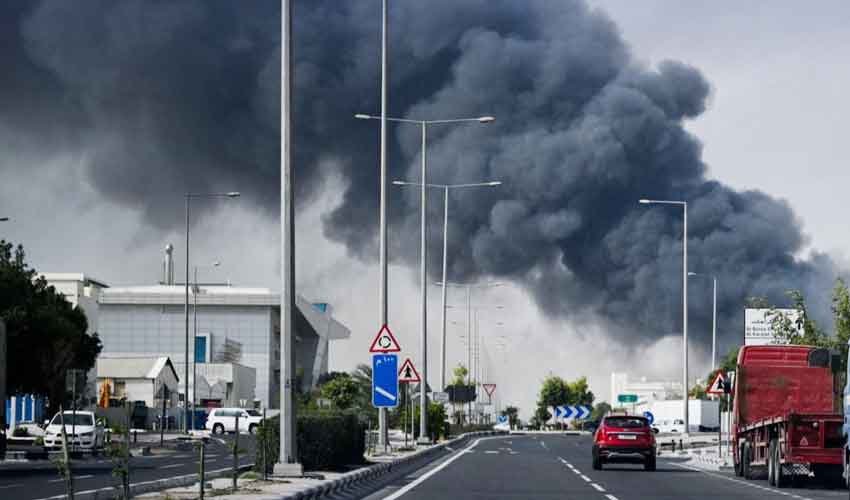
Qatar’s state-owned QatarEnergy confirmed that Ras Laffan Industrial City sustained “extensive damage” after being targeted in two separate Iranian missile attacks.
The second strike early Thursday caused “sizeable fires” and additional destruction at multiple liquefied natural gas (LNG) facilities.
The Qatari interior ministry said rescue teams were immediately deployed to control the fires, which were brought under control by early morning.
Despite the scale of the attacks, authorities confirmed that no casualties were reported from either strike. Qatar’s emergency response teams acted swiftly to contain the damage and prevent further escalation at the critical energy site.
Strategic energy hub under attack
Located about 80 kilometers north of Doha, Ras Laffan is one of the world’s most important energy hubs and the largest LNG liquefaction facility globally.
It processes roughly one-fifth of the world’s gas supply and hosts major international companies, including Shell, the world’s largest LNG trader.
Major facilities, companies affected
QatarEnergy reported that its Pearl gas-to-liquids plant suffered extensive damage. The facility has the capacity to process up to 1.6 billion cubic feet of gas per day.
Shell, which holds a 30% stake in a major LNG facility at Ras Laffan and a 100% interest in the Pearl plant, said it is assessing the potential impact on its operations.
Also Read: Saudi Arabia reserves right to military action against Iran: FM
The Laffan refinery, which processes condensate into refined products such as aviation fuel, is also part of the affected infrastructure.
Iran issues warning, expands targets
The attacks followed a warning from Iran’s Revolutionary Guards, which told its enemies to “await the powerful action” of its armed forces.
Iran accused the United States and Israel of targeting its own energy infrastructure, including the massive South Pars gas field, prompting retaliation.
Tehran also listed several regional oil and gas facilities as potential targets, including Saudi Arabia’s Samref refinery and Jubail complex, the UAE’s Al Hosn gas field, and Qatar’s Mesaieed and Ras Laffan facilities, urging evacuations.
Trump warns of massive retaliation
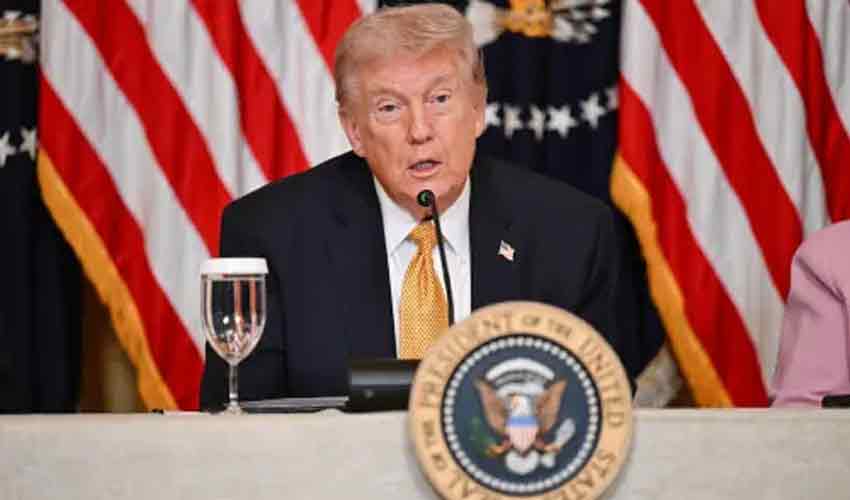
US President Donald Trump warned Iran against further attacks on Qatar’s LNG infrastructure, threatening to “massively blow up” Iran’s South Pars gas field if such actions continue.
He stated that Israel carried out the South Pars strike without informing the US or Qatar, and stressed that any further escalation could trigger a powerful American response.
In response to the attacks, Qatar’s foreign ministry ordered Iranian security and military attaches to leave the country within 24 hours, declaring them “persona non grata.”
The ministry condemned the strikes as a direct threat to national security and accused Iran of acting irresponsibly and violating international law.
Also Read: Trump warns of massive strike on Iran gas field
Qatar also criticized Israel’s earlier attack on Iran’s South Pars facility, calling it “dangerous and irresponsible.”
The United Arab Emirates reported incidents at the Habshan gas facility and Bab oil field due to debris from intercepted missiles.
Authorities shut down the Habshan complex -- one of the world’s largest gas processing facilities with a capacity of 6.1 billion cubic feet per day -- as a precaution, though no injuries were reported.
Saudi Arabia also intercepted missile and drone attacks targeting its energy infrastructure.
Global energy markets shaken
The escalation has severely disrupted global energy supplies.
Benchmark Brent crude prices rose around 5% to exceed $108 per barrel, while European gas prices have surged by more than 60% since the conflict began on February 28.
Diesel prices in the United States have also climbed above $5 per gallon, raising concerns about inflation.
Iran has effectively shut the Strait of Hormuz, a vital route handling about 20% of global oil and LNG supply. A projectile also struck a vessel near Ras Laffan, though all crew were reported safe, further heightening concerns over maritime security.
French President Emmanuel Macron called for a moratorium on attacks targeting civilian infrastructure, particularly energy and water facilities.
European Union foreign policy chief Kaja Kallas stressed the importance of maintaining safe passage through the Strait of Hormuz and reiterated support for a diplomatic solution.
War spreads across region
The conflict has expanded rapidly beyond Iran and Israel.
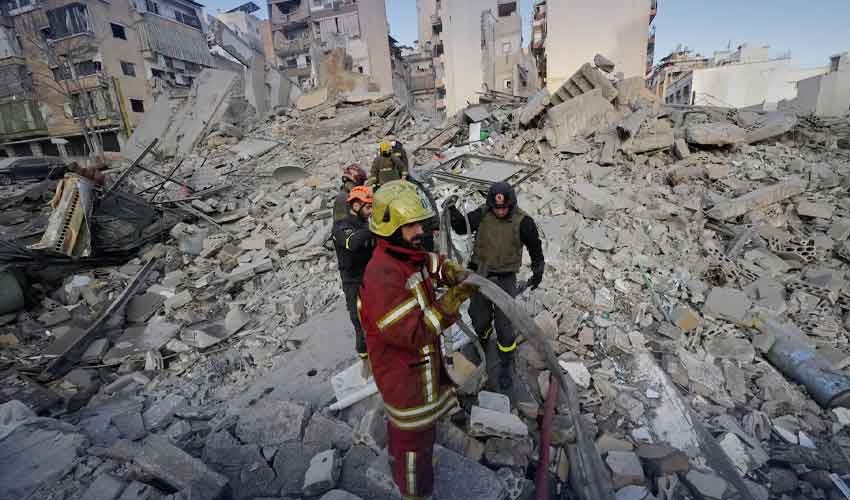
Israeli airstrikes hit central Beirut, destroying residential buildings, while Iran launched cluster missile attacks on Israel, which are harder to intercept.
At least 15 people have been killed in Israel, including a foreign national, while three Palestinian women were killed in the West Bank.
Israel claimed responsibility for killing Iran’s intelligence minister Esmail Khatib and senior figure Ali Larijani, declaring that “no one in Iran has immunity.” Thousands gathered in Tehran for funerals of slain officials, as tensions continued to rise.
Heavy human toll across multiple countries
The conflict has caused widespread casualties and displacement. More than 3,000 people have been killed in Iran since the war began on February 28, according to HRANA.
In Lebanon, around 900 people have died and 800,000 have been displaced, while casualties have also been reported in Iraq and Gulf countries.
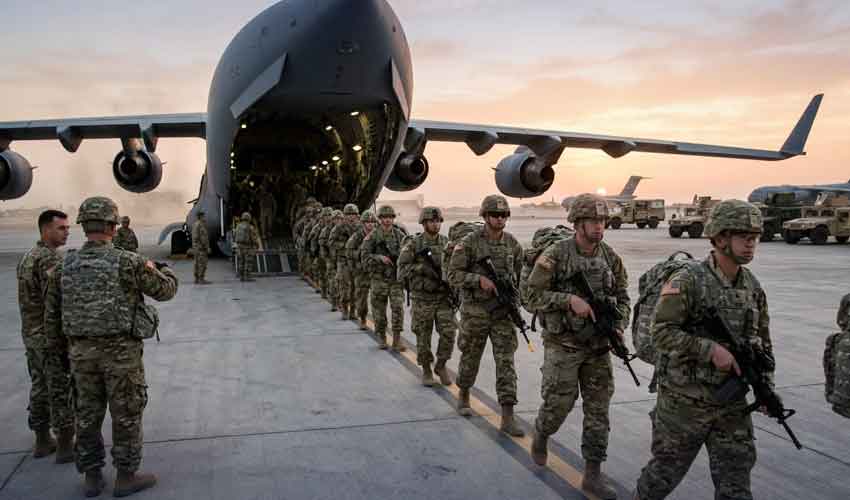
At least 13 US military personnel have been killed so far.
With no signs of de-escalation, the Middle East faces growing instability and economic uncertainty.
Experts warn that continued attacks on critical energy infrastructure could lead to a prolonged global gas shortage and further disruption of international markets.