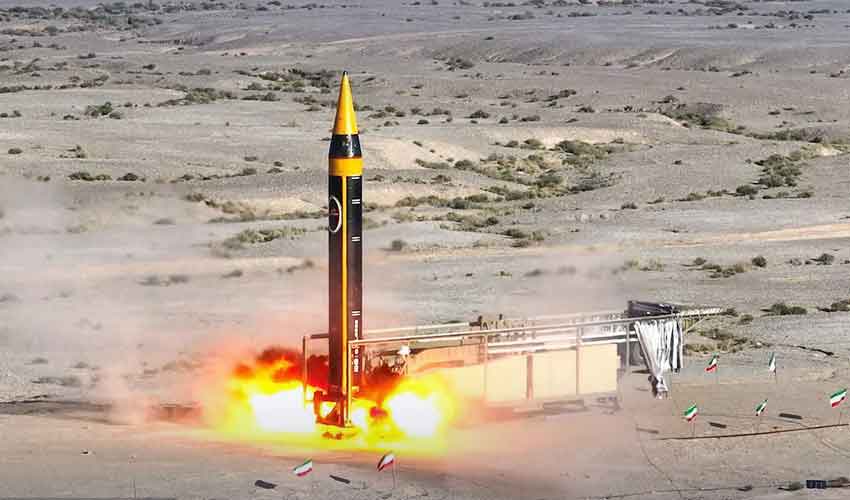





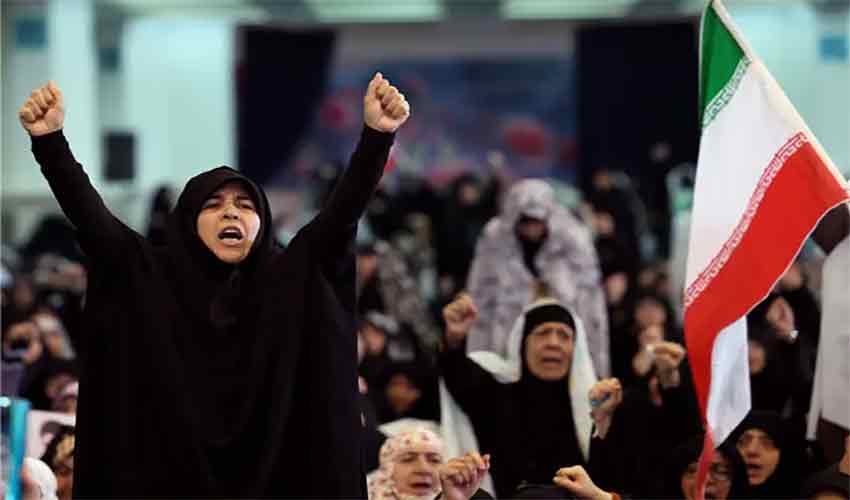
A day after Iranian forces launched a punishing series of retaliatory attacks against Israel, the country’s president said that “threats and terror” would only make the nation more unified.
The message from Masoud Pezeshkian came after US President Donald Trump threatened to attack Iran’s power plants if the Strait of Hormuz was not fully reopened, and called on other nations to help end the closure.
White House Press Secretary Karoline Leavitt said that Washington is “already starting to see them (NATO) answer the president’s call” on unblocking the Strait of Hormuz.
After Trump criticised NATO allies as “cowards” and urged them to secure the Strait, a statement from leaders of mainly European countries — including the UK, France, Italy and Germany, as well as South Korea, Australia, the UAE and Bahrain — expressed their readiness to contribute to efforts ensuring safe passage through the waterway.
However, in a post on X, Pezeshkian said Iran would “firmly confront delirious threats on the battlefield,” adding that the Strait of Hormuz “is open to all except those who violate our soil.”
Tehran has warned it could completely close the Strait if its power infrastructure is destroyed in further US-Israeli attacks.
“We have repeatedly stated that the Strait of Hormuz is only closed to enemies and harmful traffic; it has not yet been completely closed and is under our intelligent control,” Iran’s central command authority, Khatam al-Anbiya, said in a statement.
The statement also threatened energy infrastructure, as well as information and communications technology systems in Israel, along with American companies and power plants in countries hosting US bases.
Iran has also signalled willingness to cooperate with the International Maritime Organisation to improve maritime safety and protect seafarers in the Gulf. Iran’s representative to the UN maritime agency, Ali Mousavi, said the Strait remains open to all shipping except vessels linked to “Iran’s enemies,” noting that passage is possible through coordination with Tehran.
Lifting oil sanctions
Meanwhile, US Treasury Secretary Scott Bessent, who drew criticism after Washington moved to lift sanctions on Iranian oil, said the US may need to “escalate” its attacks in order to ultimately wind down the war, following mixed signals from President Trump on the military campaign.
Asked whether the US was escalating or de-escalating, Bessent said: “They’re not mutually exclusive. Sometimes you have to escalate to de-escalate. This is the only language the Iranians understand.”
Responding to questions about lifting oil sanctions during wartime, Bessent argued the move could ease pressure on US allies and lower the price Iran receives for its oil.
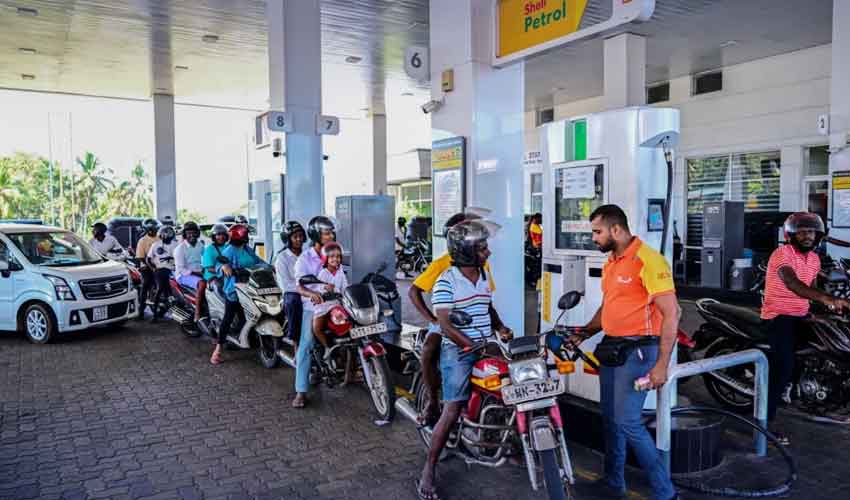
“That Iranian oil was always going to be sold to China at a discount. So which is better — oil prices spiking to $150 with Iran earning 70 per cent of that, or prices staying below $100?” he said.
Bessent declined to provide a timeline for when prices might stabilise, but insisted voters would accept temporary economic pain if it meant neutralising Iran’s nuclear threat.
“I don’t know whether it’s going to be 30 days, 50 days or 100 days,” he said.
Meanwhile, British Prime Minister Keir Starmer is expected to hold an emergency meeting on Monday to discuss the economic impact of the Iran war, according to a government official.
Iranian Foreign Minister Abbas Araghchi has written to the UN Security Council, urging it to condemn US-Israeli strikes on Iran’s nuclear facilities.
He called on the council to “condemn this aggression, compel the aggressors to immediately cease all illegal attacks, and obligate them to fully compensate for all damages, including those to Iran’s peaceful nuclear sites.”
US-Israeli attacks on Iran
As the war entered its fourth week, Iran marked the end of Ramazan alongside Persian New Year celebrations.
Traditionally, Iran’s Supreme Leader leads Eidul Fitr prayers, but this time judiciary chief Gholam Hossein Mohseni Ejei attended prayers at Tehran’s Imam Khomeini Grand Mosque.
Iran’s state broadcaster reported, citing Health Minister Mohammad Reza Zafarghandi, that the war has killed 210 children and injured 1,510 others. He added that 300 health and emergency centres have been damaged.
US Central Command chief Admiral Brad Cooper said American warplanes dropped 5,000-pound bombs on an underground Iranian coastal facility storing anti-ship cruise missiles and mobile launchers, degrading Tehran’s ability to threaten the Strait.
CENTCOM also said it destroyed a military facility earlier this month where short- and medium-range ballistic missiles were being produced. The site was identified as the Kuh-e Barjamali Ballistic Missile Assembly Facility, located southeast of Tehran.
The Israeli military also claimed to have struck a facility inside a Tehran university allegedly used to develop nuclear weapon components.
Iran hits back
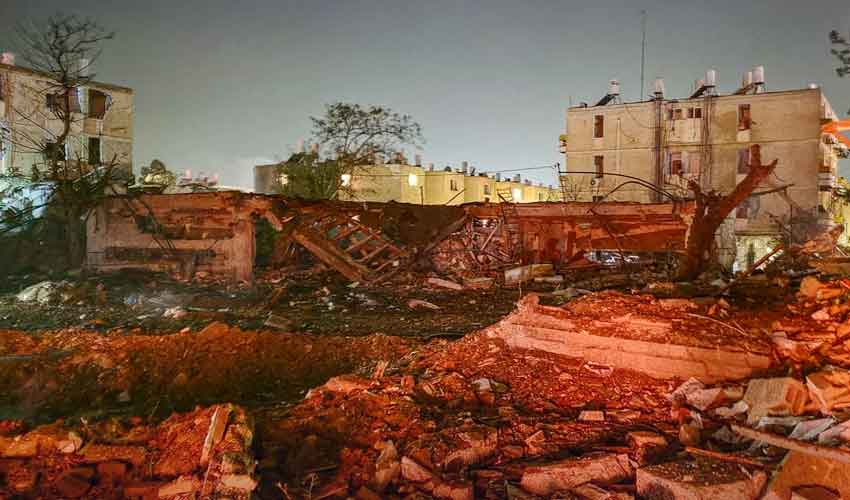
Two Iranian missiles struck southern Israel on Saturday, injuring more than 100 people and causing significant structural damage to buildings.
Earlier, 33 people were wounded in Dimona, where footage showed a large crater and widespread debris.
Dimona hosts a facility widely believed to be the site of Israel’s nuclear arsenal, though the country has never officially confirmed possessing nuclear weapons.
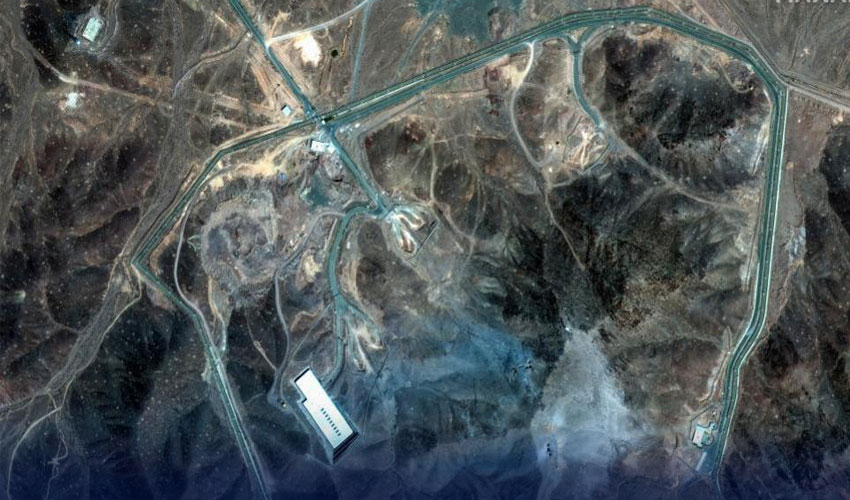
Iran said the strike on Dimona was retaliation for Israeli attacks on its Natanz nuclear facility.
Following the Natanz strike, UN nuclear watchdog chief Rafael Grossi again called for “military restraint to avoid any risk of a nuclear accident.”