





A government-appointed commission in Nepal has recommended legal action against former prime minister KP Sharma Oli over his alleged role in the deadly September 2025 uprising that led to his removal from power, according to a leaked report.
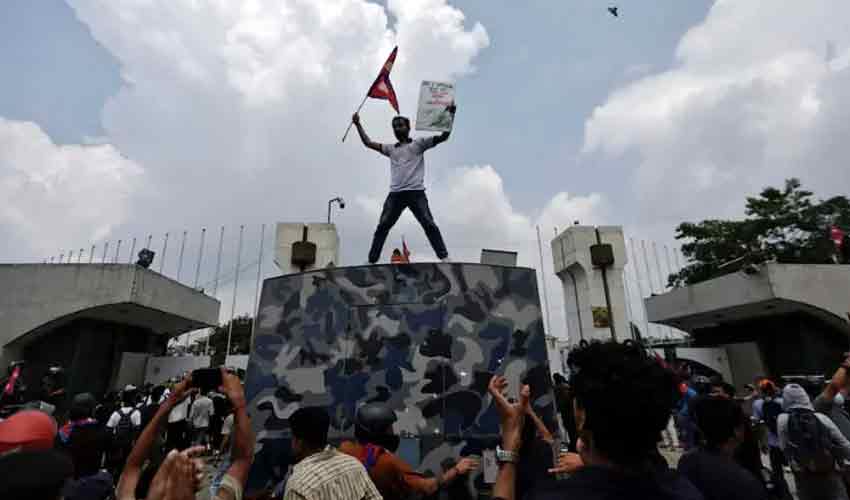
At least 77 people were killed during the protests on September 8 and 9, which were initially triggered by a temporary social media ban but quickly escalated into a nationwide anti-corruption movement fueled by economic grievances.
The report suggests that Oli, along with former interior minister Ramesh Lekhak and ex-police chief Chandra Kuber Khapung, should face investigation and possible prosecution. It states that the leadership failed to take timely action to prevent casualties, describing their conduct as negligent.
While the commission found no direct evidence of an order to open fire, it noted that authorities did not act to halt or control the violence. According to findings, 48 of 63 completed autopsies confirmed deaths from gunshot wounds, many of them to the chest or head, with minors among the victims.
The unrest saw widespread destruction, including attacks on parliament and government buildings, ultimately forcing Oli from office. In the aftermath, former chief justice Sushila Karki assumed the role of interim prime minister and established the inquiry commission.
The report, based on testimonies from over 200 individuals and supported by thousands of pages of evidence, has yet to be officially released, though public pressure for transparency continues to mount.
Meanwhile, political change has followed swiftly. In recent elections, the Rastriya Swatantra Party secured a sweeping victory, bringing 35-year-old leader Balendra Shah to power.
Newly elected lawmakers have taken oath, and Shah—popularly known as Balen—is expected to be sworn in as prime minister, marking a significant shift in Nepal’s political landscape.
.jpg)