




Pakistan’s energy supply outlook received a significant boost as multiple LPG and coal shipments arrived at Port Qasim, while a major gas reserve was discovered in Khyber Pakhtunkhwa.
The developments come amid ongoing efforts to ensure continuity of energy supply across the country.
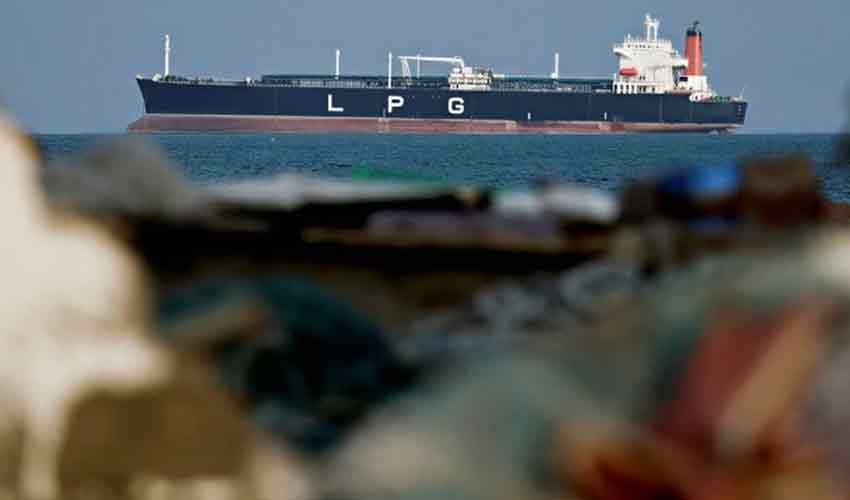
Authorities confirmed that three ships carrying LPG and coal have reached Pakistan and anchored at Port Qasim in Karachi. Among them, the PCG Pericles arrived from Oman carrying more than 3,800 tonnes of liquefied petroleum gas (LPG).
Another vessel, Navigator Airis, reached Port Qasim from Iraq with 11,136 tonnes of LPG onboard.
In addition to the initial arrivals, two more LPG ships and one coal ship have also anchored at Port Qasim, further strengthening supply lines. Officials said that liquefied gas from one of the LPG vessels will begin offloading late tonight.
Meanwhile, a coal ship carrying 52,000 metric tons is already being offloaded at the port, ensuring fuel availability for power generation and industrial use.
The arrival of multiple shipments highlights ongoing progress in maintaining the continuity of Pakistan’s energy supply chain. With rising demand and supply challenges, timely imports of LPG and coal are critical to stabilising the energy sector.
Major gas reserve discovered in Kohat
In a separate development, a large gas reserve has been discovered in the Kohat district of Khyber Pakhtunkhwa.
According to a statement by Oil and Gas Development Company Limited (OGDCL), the well — drilled in the Tall Block — is expected to produce 26.5 million standard cubic feet of gas per day.
OGDCL termed the discovery a significant achievement, noting that several major companies are partners in the project. These include Pakistan Petroleum Limited (PPL), Pakistan Oilfields Limited (POL), MOL, and Government Holdings (Private) Limited (GHPL).
The discovery is also expected to improve the chances of success for future wells in the Tall Block.
Officials say the new gas reserves will help reduce the country’s supply-demand gap and enhance long-term energy security.
Combined with ongoing fuel imports, the development reflects a broader push to stabilise Pakistan’s energy sector and ensure consistent supply for consumers and industries.